Feline Gastroenteritis Under the Microscope: The Complete Masterclass on Causes, Clinical Pathophysiology, and Advanced First Aid Protocols for Cat Diarrhea
2 months ago
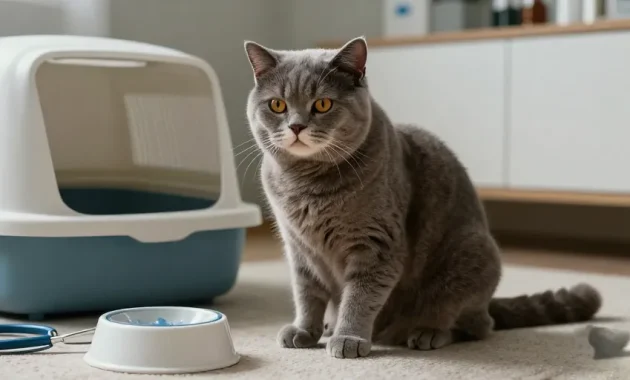
As a dedicated cat owner or veterinary enthusiast, few things disrupt the peace of a household faster than a sudden, acute bout of feline diarrhea. Beyond the immediate sanitation concerns and the unpleasant task of cleaning a soiled litter box, diarrhea (feline gastroenteritis) represents a significant physiological crisis for the animal. Because of their relatively small body mass and unique metabolic constraints, cats that develop loose, watery stools are highly vulnerable to rapid dehydration, devastating electrolyte depletion, and severe systemic drop-offs in cellular energy.
Unfortunately, many well-meaning pet parents minimize early digestive anomalies, assuming the cat simply "ate something strange" and waiting for the issue to resolve on its own. In the world of feline medicine, delaying proper intervention can have serious consequences. A brief, self-limiting case of loose stool can rapidly evolve into deep, hypovolemic shock or signal the presence of a highly contagious, life-threatening viral pathogen.
This human-crafted, comprehensive manual is designed to clear away the confusion surrounding feline digestive health. We will analyze the delicate inner workings of the feline gastrointestinal tract, break down the four root causes of acute and chronic diarrhea, provide clear step-by-step first aid protocols you can safely use at home, and establish clear clinical boundaries so you know exactly when to bypass home remedies and rush to an emergency veterinary hospital.
THE SYSTEMIC GASTROENTERITIS ESCALATION CASCADE
[Gastrointestinal Iritant / Pathogen Entry]
                      │
                      ▼
[Mucosal Surface Inflammation & Cellular Damage]
                      │
                      ▼
[Malabsorption of Fluids] ──► [Osmotic Fluid Rush to Colon] ──► [Acute Liquid Evacuation]
                                                                        │
                                                                        ▼
[Critical Organ Hypoxia]  ◄── [Hypovolemic Circulatory Shock] ◄── [Deep Dehydration]
Pathophysiology Understanding the Feline Digestive Defense System
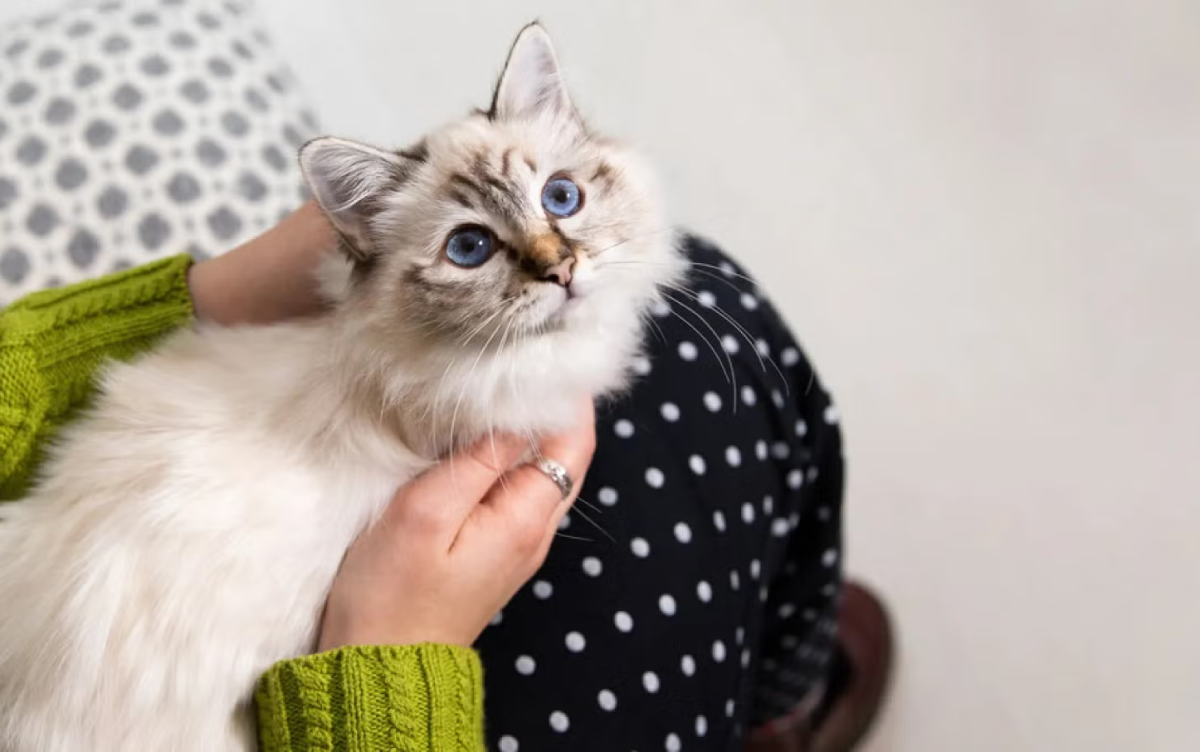
To manage a digestive crisis effectively, we must first look at the unique biological design of the cat's gastrointestinal tract. Domestic cats (Felis catus) are highly specialized obligate carnivores. Over millions of years, their digestive infrastructure has evolved to process a high-protein, high-fat, low-carbohydrate diet derived entirely from animal prey.
                    THE FELINE INTESTINAL PIPELINE
                                  │
     ┌────────────────────────────┴────────────────────────────┐
     ▼                                                         ▼
[ HIGH-ACID GASTRIC ZONE ]                   [ SHORTENED INTESTINAL REEF ]
 ├── Baseline pH: 1.0 to 2.0                  ├── Rapid transit time (<12 hours)
 ├── Rapid protein breakdown                  ├── Ultra-high surface absorption focus
 └── Heavy native pathogen defense            └── Vulnerable to immediate osmotic shifts
1. The High-Acid Gastric Chamber
The feline digestive journey begins in an environment of extreme acidity. A cat's stomach secretes highly concentrated hydrochloric acid, maintaining a baseline gastric pH between 1.0 and 2.0. This intense acidity serves a dual evolutionary purpose: it breaks down dense animal proteins and bone fragments effortlessly, and it acts as an immediate chemical shield, neutralizing the vast majority of bacteria, fungi, and environmental pathogens the cat might swallow during hunting or grooming.
2. The Shortened Intestinal Pathway
Because an ancestral wild diet of raw meat is highly digestible, cats do not require the long, complex, fermenting digestive tracts found in omnivores (like humans and dogs) or herbivores (like sheep and horses). A cat’s intestinal tract is remarkably short relative to their total body length.
While this short pipeline makes digestion incredibly fast and efficient, it leaves very little room for error. If the delicate inner lining of the intestines (the mucosal surface and its microscopic, nutrient-absorbing vili) becomes inflamed or irritated, the transit time speeds up drastically. The colon loses its ability to reabsorb water from the waste material, resulting in a sudden, watery evacuation known as diarrhea.
- 1. Why does my cat’s diarrhea sometimes smell extremely foul or metallic?
- 2. Is fasting recommended when a cat has diarrhea?
- 3. Why does stress sometimes trigger diarrhea in otherwise healthy cats?
- 4. Can dehydration become dangerous even if my cat still drinks water?
- 5. Why does my cat suddenly develop diarrhea after antibiotics?
- 6. What does black, tar-like stool mean in cats?
- 7. Can hairballs contribute to diarrhea?
- 8. Why are kittens more vulnerable to severe diarrhea than adult cats?
The Core Four Deep Anatomical Causes of Feline Diarrhea
Feline diarrhea is a clinical sign, not an independent disease. To stop it effectively, we have to identify the specific root cause that is disrupting the digestive balance. In companion animal medicine, these triggers are broadly divided into four primary categories:
               THE SPECTRUM OF GASTROINTESTINAL IRRITANTS
                                   │
     ┌─────────────────────────────┼─────────────────────────────┐
     ▼                             ▼                             ▼
[ Dietary Shift Shock ]     [ Immunological Toxicosis ]   [ Pathogenic Takeover ]
 Abrupt enzymatic failure    Severe cellular breakdown     Massive cell death and
 from lack of transition     from human trigger foods      villar structural collapse
1. Abrupt Dietary Changes (Dietary Indiscretion)
The cell walls and digestive enzymes inside a cat's intestines adapt to a highly consistent nutrient profile. When a cat owner switches their pet's food abruptly from one brand or formula to another without a proper transition period, the internal enzyme systems are caught off guard.
The stomach and small intestine cannot immediately break down the new proteins, fats, or carbohydrate matrices. This undigested food passes into the colon, where it acts as an osmotic sponge, pulling water out of the body tissues and into the bowel.
At the same time, native gut bacteria feast on this excess undigested material, multiplying rapidly and producing volatile fatty acids and gas that cause painful cramping, bloating, and explosive loose stools.
2. Food Hypersensitivities and True Allergies
Food allergies are an overreaction of the immune system centered within the digestive tract. While pet food commercials often blame grains for digestive issues, clinical veterinary dermatology reveals that most feline food allergies are triggered by common animal protein sources, such as chicken, beef, dairy, or fish.
Over months or years of consuming the same protein, a cat's immune system can mistakenly identify those protein molecules as dangerous invaders. This triggers a continuous release of inflammatory cytokines and mast cells directly into the intestinal walls.
This chronic, low-grade inflammation disrupts the gut's ability to absorb nutrients normally, leading to intermittent or persistent diarrhea, often accompanied by chronic vomiting and severe skin issues like intense itching, scabbing, and fur loss around the face and neck.
3. Food Poisoning and Ingestion of Toxins
Kittens and curious adult cats frequently ingest items they shouldn't. This can range from spoiled food found in a trash can to toxic human foods or houseplants.
                  HOUSEHOLD INGESTION HAZARDS
┌──────────────────────────────┐              ┌──────────────────────────────┐
│     Bacterial Toxins         │              │     Chemical Toxins          │
├──────────────────────────────┤              ├──────────────────────────────┤
│ • Expired or moldy canned food│      VS       │ • Alliums (Garlic and Onion) │
│ • Salmonella from raw meat   │              │ • Theobromine (Chocolate)    │
│ • Campylobacter overgrowth   │              │ • Saponins from toxic lilies │
└──────────────────────────────┘              └──────────────────────────────┘
When a cat eats expired or moldy food, bacterial toxins irritate the stomach and intestinal lining on contact, causing acute gastroenteritis.
Worse still are true systemic toxins. For instance, allium species (onions, garlic, leeks, chives) contain chemical compounds called disulfides that tear through a cat's red blood cells, causing fatal Heinz body hemolytic anemia.
Chocolate contains theobromine, which overstimulates the cardiovascular and central nervous systems, while common plants like lilies cause rapid, irreversible kidney failure. In almost all of these toxic cases, sudden, intense diarrhea and vomiting are the body's first defensive attempts to flush out the poison.
4. Pathogenic Invasions (The Microscopic Battle)
When a cat's internal defenses are overwhelmed by external pathogens, the resulting damage to the digestive tract can be severe.
Viral Pathogens
The most devastating viral threat to a cat's digestive system is Feline Panleukopenia Virus (FPV), which is closely related to canine parvovirus. FPV targets and destroys rapidly dividing cells, specifically attacking the bone marrow and the deep crypt cells of the intestinal lining.
This attack leads to a complete collapse of the intestinal architecture, causing severe, bloody diarrhea, a total loss of white blood cells, and extremely high mortality rates in unvaccinated kittens. Other viruses, like Feline Leukemia Virus (FeLV) and Feline Immunodeficiency Virus (FIV), weaken the immune system globally, making cats easy targets for secondary digestive infections.
Bacterial Pathogens
Ingesting contaminated water or raw meat can introduce aggressive bacteria like Salmonella, Campylobacter, Clostridium, and Escherichia coli (E. coli). These bacteria attach to the intestinal walls, producing enterotoxins that cause tissue death and trigger severe, bloody diarrhea accompanied by high fevers and extreme lethargy.
Intestinal Parasites
Microscopic protozoan parasites are incredibly common causes of persistent diarrhea, especially in shelters and multi-cat environments.
Giardia duodenalis: A microscopic protozoan that clings to the surface of the small intestine, blocking fat absorption and causing foul-smelling, greasy, light-colored diarrhea.
Coccidia (such as Isospora felis): An intracellular parasite that ruptures the cells lining the intestines, causing watery, mucus-filled diarrhea in young kittens.
Tritrichomonas foetus: A stubborn, microscopic parasite that lives in the large intestine, causing chronic, foul-smelling, wax-and-wane diarrhea with fresh blood and mucus, most often seen in young, purebred cats from large catteries.
Step-by-Step Advanced First Aid Protocol for Home Care
If your cat experiences a sudden case of loose stool but remains bright, active, and responsive, you can implement a structured, veterinary-approved first aid protocol at home to stabilize their digestion and prevent further complications.
                     THE RESTORATIVE FIRST AID PIPELINE
  [ Immediate Action ] ──► Remove Dry Kibble & Stop All Rich Treats
                                    │
                                    ▼
  [ Phase 1 Rehidrasi ] ──► Deploy Low-Profile Bowls with Diluted Meat Broth
                                    │
                                    ▼
  [ Phase 2 Nutrisi ]   ──► Introduce Easily Digestible Wet Sensitive Diets
                                    │
                                    ▼
  [ Phase 3 Usus ]      ──► Supplement Daily Meals with Live Active Probiotics
Step 1: Immediate Dietary Simplification
The moment you discover diarrhea, simplify your cat's intake immediately. Stop giving all treats, table scraps, cat milk products, and flavored vitamins.
Additionally, pause their standard dry kibble. Dry food requires significant water from the digestive tract to break down properly, which can inadvertently worsen dehydration during a diarrhea crisis. Keep their menu strictly focused on hydration and easy-to-digest proteins.
Step 2: Advanced Fluid Restorations and Hydration Hacks
Preventing dehydration is your absolute highest priority. A cat experiencing diarrhea loses water and essential minerals like sodium and potassium with every loose stool. To encourage your cat to drink more and rebuild their fluid levels, use these practical hydration strategies:
               HYDRATION DELIVERY TECHNIQUES
                             │
     ┌───────────────────────┴───────────────────────┐
     ▼                                               ▼
[ THE BROTH STIMULUS LAYER ]                    [ THE MOISTURE INJECTION LAYER ]
 ├── Unsalted, garlic-free bone broth            ├── High-moisture premium wet pate
 ├── High aroma profile triggers drinking        ├── 1-2 tablespoons pure warm water mix
 └── Must be discarded after 4 hours             └── Smooth texture avoids bowel irritation
The Bone Broth Stimulus
Prepare a plain, unsalted chicken or beef bone broth. It is absolutely vital that this broth is completely free of salt, onions, garlic, or artificial preservatives.
Offer this warm broth in a separate, clean dish alongside their regular water bowl. The rich, meaty aroma can entice a lethargic or reluctant cat to drink, delivering essential fluids and vital amino acids directly to their system.
Important Safety Tip: Because pure meat broth lacks preservatives, it can grow bacteria quickly at room temperature. Always discard any leftover broth and clean the bowl thoroughly after four hours.
The Moisture Injection Method
If your cat refuses to drink plain liquid from a bowl, mix one to two tablespoons of pure warm water directly into their high-quality canned wet food. Stir the mixture thoroughly until it forms a soft, lap-able soup. This hidden hydration bypasses their natural reluctance to drink, ensuring they ingest necessary water with every bite of food.
Step 3: Transitioning to an Ultra-Digestible Sensitive Stomach Diet
When the intestinal walls are irritated and inflamed, they cannot process standard, heavy foods. To give the digestive system a chance to rest and heal, switch your cat to a specialized therapeutic diet designed for sensitive stomachs.
               PRO PLAN SENSITIVE ARCHITECTURE
┌──────────────────────────────────────┐    ┌──────────────────────────────────────┐
│     Pro Plan Sensitive Dry Kibble     │    │      Pro Plan Sensitive Canned       │
├──────────────────────────────────────┤    ├──────────────────────────────────────┤
│ • Real salmon and tuna bases         │    │ • High 80% natural moisture baseline  │
│ • Fortified with active live cultures│    │ • Ultra-smooth, highly digestible pate│
│ • Optimal omega fatty acid profile   │    │ • Reduced workload on intestinal walls│
└──────────────────────────────────────┘    └──────────────────────────────────────┘
A highly effective choice for this transition is the Pro Plan Sensitive Skin & Stomach line. The dry formula features real, high-quality salmon and tuna as its primary protein sources. These proteins are exceptionally easy for the intestines to break down and absorb, meaning the gut doesn't have to work as hard during digestion.
Furthermore, the formula is enriched with vital omega fatty acids that help soothe intestinal inflammation from the inside out, and the unique shape of the kibble helps maintain oral health.
For an active diarrhea crisis, pairing this with Pro Plan Wet Sensitive food is ideal. With a natural moisture baseline of 80%, this canned formula delivers high-quality nutrition while providing a direct stream of hydration to soothe irritated intestines. You can easily find these specialized sensitive formulas at official Pro Plan storefronts on trusted platforms like Shopee, Tokopedia, and Lazada.
Step 4: Rebuilding the Intestinal Microbiome with Active Probiotics
Inside every healthy cat's digestive tract lives a complex ecosystem of billions of beneficial bacteria known as the gut microbiome. These helpful microorganisms are crucial for breaking down food, synthesising essential vitamins, and keeping harmful bacteria from taking over.
When diarrhea strikes, this delicate balance is thrown completely out of order. Mass volumes of beneficial bacteria are flushed out of the body, allowing opportunistic pathogens to multiply rapidly in a condition called dysbiosis. This imbalance can cause diarrhea to continue long after the original trigger (like a sudden stressful event or a brief dietary mistake) has been resolved.
               THE GUT MICROBIOME PROFILE SHIFT
┌──────────────────────────────┐              ┌──────────────────────────────┐
│    Healthy Gut Ecosystem     │              │    Dysbiosis (Diarrhea)      │
├──────────────────────────────┤              ├──────────────────────────────┤
│ • Dominant beneficial strains│      VS      │ • Beneficial strains flushed │
│ • Controlled pathogen levels │              │ • Pathogen overgrowth spike  │
│ • Optimal fluid reabsorption │              │ • Inflamed intestinal walls  │
└──────────────────────────────┘              └──────────────────────────────┘
To break this cycle, supplement your cat's food with high-quality veterinary probiotics containing proven, live bacterial strains like Enterococcus faecium SF68.
These targeted probiotics act as a stabilizing force, moving safely through the highly acidic stomach to repopulate the intestines. They help lower the gut's pH to an optimal level, push out harmful bacteria, and reinforce the intestinal barrier, helping to firm up your cat's stools and speed up their recovery time.
Part 4: Technical Breakdown — Therapeutic Interventions vs. Home Care
This reference matrix summarizes the primary causes of feline diarrhea, their internal mechanisms, and the appropriate clinical management strategies for each scenario.
Part 5: The Diagnostic Triage Matrix — When to See the Veterinarian
As a dedicated cat owner, you must know how to distinguish between a mild, temporary digestive upset and a medical emergency that requires immediate professional veterinary care.
                      THE CLINICAL TRIAGE DECISION TREE
   [ Cat Presents with Diarrhea ]
                 │
     ┌───────────┴───────────┐
     ▼                       ▼
[ EVALUATE FREQUENCY ]   [ EVALUATE COMPANION INDICATORS ]
 ├── < 3 times / 24 hrs   ├── High lethargy or unresponsive? ──► EMERGENCY VET
 └── > 3 times / 24 hrs   ├── Blood in stool or vomiting?    ──► EMERGENCY VET
             │            └── Active, drinking, alert?       ──► HOME FIRST AID
             ▼
     EMERGENCY VET
To protect your cat's health, use this straightforward triage system to evaluate their symptoms and determine the safest course of action:
1. The Red Zone: Indicators of a Medical Emergency
If your cat shows any of the following severe symptoms, bypass all home remedies and bring them to a veterinary hospital immediately:
High Frequency: Your cat passes liquid stool more than three times within a single 24-hour period.
Systemic Weakness (Lethargy): The cat feels limp when held, hides in dark isolation, or refuses to respond to your voice or touch.
Concurrent Vomiting: The cat cannot keep fluids down because they are simultaneously vomiting and passing loose stool, which causes rapid, life-threatening dehydration.
Bloody or Discolored Stool: The stool contains clear ribbons of dark or bright red blood, or appears completely black and tarry (indicating digested blood from higher up in the digestive tract).
Signs of Toxic Exposure: You suspect or know the cat has chewed on a toxic houseplant (like a lily) or ingested harmful human food (like onions, garlic, or chocolate).
2. The Green Zone: Safe for Structured Home First Aid
You can safely manage your cat's recovery at home using the steps outlined in this guide if they meet all of the following criteria:
The cat passes loose stool only once or twice within a 24-hour window.
Their overall energy levels remain high; they are bright, alert, and moving around normally.
They maintain a healthy appetite and willingly drink water or plain meat broth.
There are no signs of vomiting, and the loose stool is free of fresh blood or dark discoloration.
Formulating a Foolproof 7-Day Food Transition Protocol
To prevent future cases of diarrhea caused by sudden dietary changes, always use a gradual transition method when introducing a new food. This step-by-step framework gives your cat's internal enzymes and gut bacteria plenty of time to adapt smoothly to the new ingredient profiles.
                 THE 7-DAY DIETARY TRANSITION METHOD
  [ Days 1 & 2 ] ──► 75% Familiar Current Diet + 25% Newly Introduced Formula
  [ Days 3 & 4 ] ──► 50% Familiar Current Diet + 50% Newly Introduced Formula
  [ Days 5 & 6 ] ──► 25% Familiar Current Diet + 75% Newly Introduced Formula
  [ Day 7 ]      ──► 100% Full Complete New Formula Selection (Transition Complete)
Days 1 and 2: The Subtle Introduction
Fill your cat's clean bowl with 75% of their familiar current food and mix in just 25% of the new formula. This subtle introduction allows the digestive tract to process the new proteins and fiber structures without shocking the system.
Days 3 and 4: The Balanced Mid-Point
Shift the proportions to an even mix of 50% current food and 50% new food. Keep a close eye on your cat's litter box habits during these middle days. If their stool starts to soften, maintain this exact ratio for an extra two days before increasing the amount of new food.
Days 5 and 6: The Final Transition Phase
Adjust the blend to 25% of the old food and 75% of the new formula. By this point, your cat's internal digestive enzymes have successfully adjusted to the new nutrient levels and ingredient balances.
Day 7: Full Dietary Integration
The transition is complete. Your cat can now safely enjoy 100% of the new formula as a full meal, free from the risk of digestive upset or sudden diarrhea.
FAQ
1. Why does my cat’s diarrhea sometimes smell extremely foul or metallic?
Severely foul-smelling diarrhea often indicates deeper gastrointestinal disruption involving bacterial overgrowth, intestinal bleeding, or poor nutrient absorption. Greasy, rancid-smelling stool commonly appears with Giardia infections or fat malabsorption disorders, while a metallic odor may suggest the presence of digested blood higher in the intestinal tract. Persistent abnormal odor combined with lethargy, vomiting, or weight loss should always prompt veterinary evaluation.
2. Is fasting recommended when a cat has diarrhea?
Unlike dogs, cats should never undergo prolonged fasting without veterinary supervision. Cats are highly vulnerable to hepatic lipidosis (fatty liver syndrome), a dangerous metabolic condition that can develop when they stop eating for even a short period. Instead of withholding food entirely, transition to small portions of highly digestible wet food while aggressively supporting hydration. Kittens, seniors, and underweight cats are especially at risk from fasting-related complications.
3. Why does stress sometimes trigger diarrhea in otherwise healthy cats?
The feline digestive tract is strongly connected to the nervous system through the gut-brain axis. Stressful events—such as moving homes, loud noises, introducing a new pet, boarding, or sudden environmental changes—can trigger a surge of stress hormones that alter intestinal motility and disrupt the gut microbiome. This results in accelerated bowel transit, excess mucus production, and temporary diarrhea commonly referred to as stress colitis.
4. Can dehydration become dangerous even if my cat still drinks water?
Yes. A cat can continue drinking while still progressing into dangerous dehydration because diarrhea causes ongoing losses of electrolytes and intracellular fluids faster than oral intake can replace them. This is especially concerning when diarrhea is accompanied by vomiting, fever, or refusal to eat. Clinical dehydration affects blood pressure, kidney perfusion, and oxygen delivery to tissues, potentially progressing to circulatory shock if not corrected rapidly.
5. Why does my cat suddenly develop diarrhea after antibiotics?
Antibiotics can unintentionally destroy beneficial intestinal bacteria alongside harmful pathogens. This disruption of the microbiome allows opportunistic organisms like Clostridium species or yeast populations to expand excessively, leading to antibiotic-associated diarrhea. Supplementing with veterinary probiotics and maintaining a highly digestible diet often helps restore microbial balance during recovery.
6. What does black, tar-like stool mean in cats?
Black, sticky, tar-like stool is called melena and usually indicates digested blood originating from the upper digestive tract, such as the stomach or small intestine. Common causes include gastric ulcers, toxin exposure, severe inflammation, clotting disorders, or internal bleeding. Melena is considered a medical emergency and requires immediate veterinary assessment.
7. Can hairballs contribute to diarrhea?
Yes. Excessive grooming and swallowed fur can irritate the stomach and intestines, especially during seasonal shedding periods. While hairballs more commonly trigger vomiting, intestinal irritation from accumulated fur may also produce loose stool, mucus, or alternating constipation and diarrhea. Chronic hairball-related digestive signs may indicate underlying allergies, stress, or over-grooming behavior that requires deeper investigation.
8. Why are kittens more vulnerable to severe diarrhea than adult cats?
Kittens possess immature immune systems, limited energy reserves, and significantly smaller fluid volumes than adult cats. Even mild diarrhea can rapidly deplete their body water, glucose, and electrolytes, leading to hypoglycemia, hypothermia, and shock within hours. In pediatric patients, diarrhea should always be monitored closely because parasites, viral infections, and dehydration escalate far faster than in healthy adults.