The Complete Guide to Feline Constipation: Causes, Solutions, and Long-Term Gut Health
2 months ago
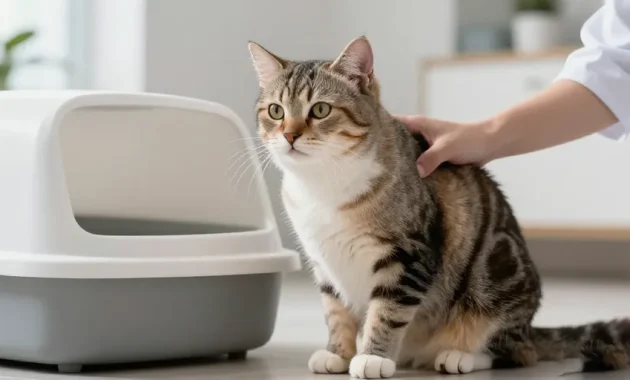
Discovering that your cat’s litter box has been completely empty for a couple of days can be highly concerning. While a missed bowel movement might seem like a minor issue, digestive health is a direct indicator of your cat’s overall well-being. When a cat cannot pass stool easily, it experiences significant discomfort and can face serious, long-term health risks if the condition is left untreated.
This guide provides a comprehensive look at feline constipation. We will explore how to identify healthy vs. unhealthy stool, examine the underlying causes of digestive blockages, and outline actionable, vet-approved steps to restore your cat's digestive health.
What Does Normal Feline Elimination Look Like?
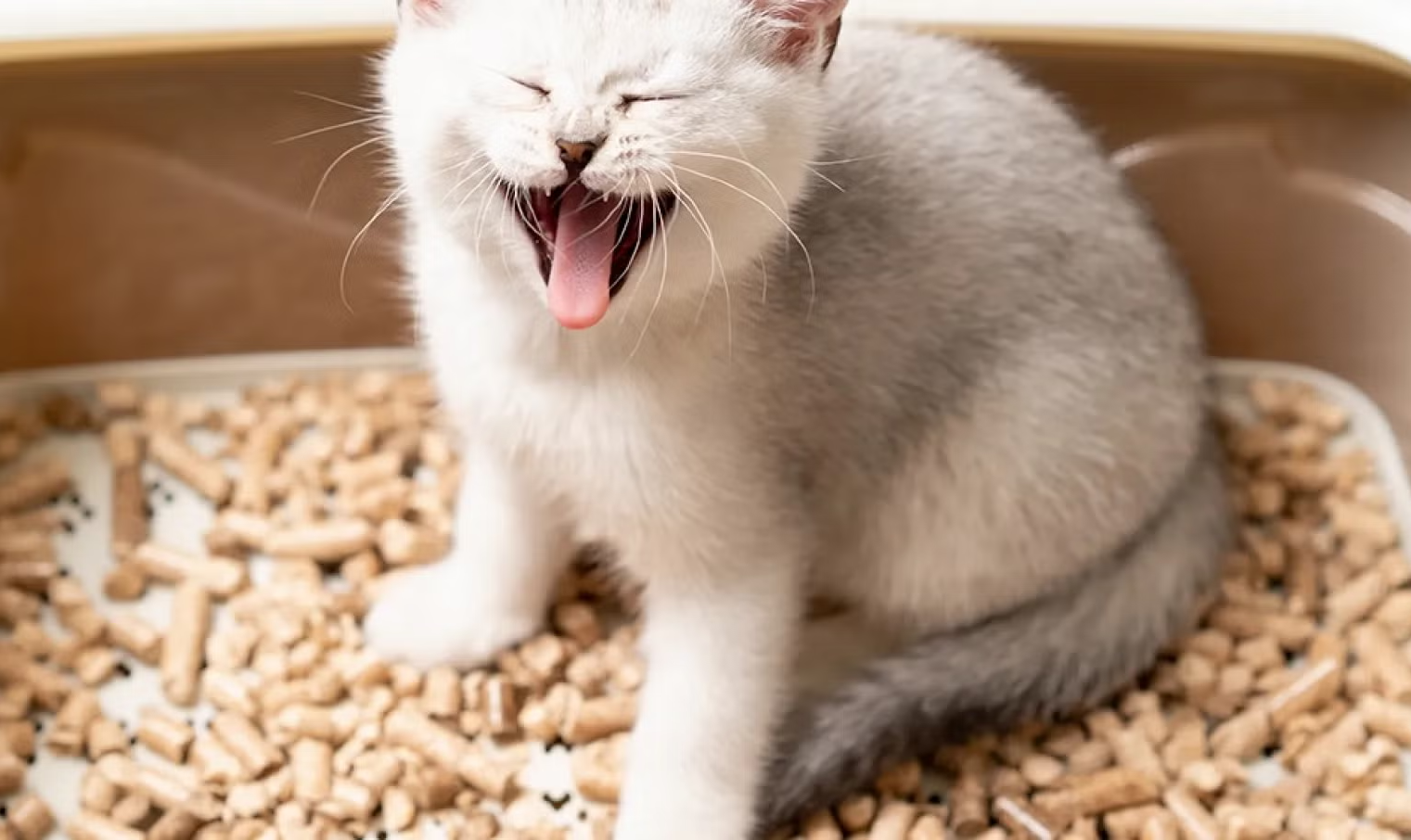
Before addressing digestive issues, you need to know what a healthy baseline looks like for your cat.
The Ideal Elimination Window
On average, a cat with a healthy, functional digestive system will defecate every 12 to 36 hours. Most cats poop one to two times a day. If your cat has not had a bowel movement in more than 36 to 48 hours, they are likely experiencing constipation.
                   [ THE FELINE STOOL HEALTH SPECTRUM ]
──────────────────────────────────────────────────────────────────────────
Healthy:      [ Dark Brown ] [ Firm & Moid ]     --> Passes Easily
Constipated:  [ Rock-Hard ]  [ Dry & Fragmented ] --> Straining / Painful
Checking Stool Consistency
Healthy feline stool should be deep brown, cylindrical, and firm but pliable enough that litter sticks to it. It should not be rock-hard, overly dry, or broken into small, round pebbles.
When a cat is constipated, the large intestine reabsorbs too much water from the waste material. This turns the stool into a dry, abrasive block that is incredibly painful to pass.
Common Symptoms of Feline Constipation
Constipation is more than just an empty litter box. It causes a range of behavioral changes and physical symptoms. Watch for these key indicators:
Straining (Tenesmus): Your cat spends a long time crouching in the litter box, straining intensely with a hunched back.
Vocalization: Short cries, meows, or yowls while trying to defecate, indicating sharp pain.
Frequent Litter Box Trips: The cat repeatedly enters and exits the litter box every few minutes but leaves nothing behind.
Spurious Diarrhea: Occasionally, liquid stool from higher up in the digestive tract bypasses the hard blockage, leading owners to mistake constipation for diarrhea.
Systemic Distress: In severe cases, the buildup of toxins causes lethargy, a poor coat, hiding behavior, and a complete loss of appetite.
Why Is Your Cat Constipated? Identifying the Causes
Feline constipation is rarely an isolated problem; it is typically a symptom of an underlying issue. These root causes range from simple dehydration to complex medical conditions.
                    [ FELINE CONSTIPATION PATHWAYS ]
                                   │
         +─────────────────────────┴─────────────────────────+
         │                                                   │
  [ Lifestyle Drivers ]                               [ Medical Drivers ]
  - Chronic Dehydration                               - Chronic Kidney Disease (CKD)
  - Sedentary Lifestyle                               - Inflammatory Bowel Disease (IBD)
  - Heavy Hairball Accumulation                       - Pelvic Nerve Damage
A. Chronic Dehydration
This is the single most common cause of feline constipation. Cats have a naturally low thirst drive. If they eat a diet consisting solely of dry kibble and do not drink enough water, their body enters a state of mild, chronic dehydration. To compensate, the colon pulls every drop of moisture out of fecal waste, causing hard, immobile stools.
B. Stress, Anxiety, and Environmental Changes
Cats are highly sensitive to their environment. Psychological stress can slow down the movement of the GI tract. Common triggers include:
Moving to a new home.
Introducing a new pet or family member.
Dirty litter boxes or placing the litter box in a loud, high-traffic area, which can make the cat hold their stool.
C. Hairballs and Grooming Habits
Long-haired breeds or cats that groom excessively ingest large amounts of loose hair. While most hair passes through the digestive tract safely, a heavy buildup can mix with fecal matter in the colon, creating a dense, fibrous blockage that is very difficult to pass.
D. Systemic and Neurological Medical Conditions
If constipation becomes chronic, it may point to a more serious medical issue:
Chronic Kidney Disease (CKD): This condition causes frequent urination, which drains fluids from the body and leads to severe dehydration and secondary constipation.
Inflammatory Bowel Disease (IBD): Chronic inflammation disrupts normal gut movement.
Neurological Damage: Injuries to the spine or pelvis can disrupt the nerve signals required for the colon to contract and push out waste.
Practical Solutions to Relieve and Prevent Constipation
If your cat is showing early signs of constipation but is otherwise alert, energetic, and eating well, you can use these practical strategies at home to help get things moving.
1. Upgrade to a High-Moisture Diet
Transition your cat from dry kibble to high-quality wet food. Wet food typically contains around 80% water, which naturally increases your cat's fluid intake, keeps them hydrated, and softens their stool.
2. Increase Fluid Intake Dynamically
Encourage your cat to drink more water by appealing to their natural preferences:
Switch to a Water Fountain: Cats are instinctively drawn to moving water, making a circulating fountain much more appealing than a still bowl.
Set Up Multiple Water Stations: Place water bowls in several quiet rooms throughout your home, keeping them well away from their food bowl and litter box.
3. Encourage Active Play
Physical movement naturally stimulates the muscles of the intestines, promoting regular bowel movements. Dedicate 15 to 20 minutes a day to interactive play using laser pointers, feather wands, or motorized toys to get your cat moving.
4. Optimize the Litter Box Setup
Ensure your cat feels safe using their litter box:
Scoop the box daily and clean it thoroughly each week.
Place the box in a quiet, low-traffic area where your cat won't be startled by household noises.
Follow the "Number of Cats + 1" rule to make sure you have enough boxes around the house.
When to See a Veterinarian immediately
Simple constipation can quickly escalate into a medical emergency known as obstipation. This occurs when the stool becomes completely impacted, making it impossible for the cat to pass on its own. Left untreated, chronic stretching of the intestinal walls can cause permanent damage to the colon muscles, a serious condition called megacolon.
[ CONSTIPATION ] ──► [ OBSTIPATION ] ──► [ MEGACOLON ]
  Mild Straining       Total Blockage        Permanent Colon Damage
  (Treatable at Home)  (Requires Vet Care)   (Requires Surgery)
Take your cat to the clinic immediately if you notice any of these red flags:
Your cat hasn't produced stool in more than 48 hours.
The constipation is accompanied by vomiting, lethargy, or a refusal to eat.
Your cat is straining in the litter box but passing only liquid urine, or worse, straining and unable to urinate at all. This can indicate a life-threatening urinary blockage, particularly in male cats.
Professional Medical Treatments
A veterinarian can properly diagnose the issue using abdominal palpation or X-rays to locate the blockage. Depending on the severity, they may provide targeted medical treatments, such as:
Subcutaneous or intravenous fluid therapy to quickly rehydrate the body.
Prescription-strength laxatives or stool softeners (e.g., Lactulose).
A professional, warm-water enema administered under safe medical supervision.
Warning: Never give your cat over-the-counter laxatives or enemas designed for humans. Many of these products contain sodium phosphate, which is highly toxic to cats and can be fatal.
FAQ
1. How often should a healthy cat poop?
Most healthy cats have a bowel movement every 12 to 36 hours, typically once or twice per day. Frequency may vary slightly depending on diet, age, hydration, and activity level.
2. When should I worry if my cat hasn't pooped?
If your cat has not produced stool for more than 36 to 48 hours, constipation is a possibility. Veterinary attention is recommended if the absence of stool exceeds 48 hours or is accompanied by other symptoms.
3. What does healthy cat poop look like?
Healthy feline stool should be:
- Dark brown in color
- Firm but not hard
- Well-formed and cylindrical
- Easy to pass
- Slightly moist without being sticky
4. What does constipated cat stool look like?
Constipated stool is often:
- Dry and hard
- Small and pebble-like
- Difficult to pass
- Fragmented or crumbly
- Associated with straining during elimination
5. What are the common signs of constipation in cats?
Common symptoms include:
- Straining in the litter box
- Frequent litter box visits
- Crying or vocalizing during defecation
- Hard, dry stool
- Reduced appetite
- Lethargy
- Hiding behavior
- Vomiting in severe cases
6. Why is my cat straining but not producing stool?
Straining without stool production may indicate constipation, an intestinal blockage, or a more serious medical condition. Immediate veterinary evaluation is necessary if the problem persists.
7. Can dehydration cause constipation in cats?
Yes. Chronic dehydration is one of the most common causes of feline constipation. When a cat doesn't consume enough water, the colon absorbs excess moisture from fecal matter, creating hard, difficult-to-pass stools.
8. Are cats naturally prone to dehydration?
Yes. Cats evolved from desert-dwelling ancestors and naturally have a low thirst drive. Many cats do not voluntarily drink enough water, especially when fed only dry kibble.
9. Can dry food contribute to constipation?
A dry-food-only diet may increase the risk of constipation if the cat does not consume sufficient water. Dry kibble contains significantly less moisture than wet food.
10. Can wet food help relieve constipation?
Yes. Wet food typically contains around 75%–80% moisture, helping increase hydration, soften stool, and support healthier bowel movements.
11. Can stress cause constipation in cats?
Absolutely. Stress can slow gastrointestinal movement and contribute to constipation. Common stress triggers include:
- Moving to a new home
- New pets
- New family members
- Loud environments
- Dirty litter boxes
12. Can hairballs cause constipation?
Yes. Excessive grooming can lead to large hair accumulations that combine with stool and create blockages within the digestive tract.
Higher-risk cats include:
- Long-haired breeds
- Senior cats
- Heavy groomers
- Cats with skin allergies
- Cats experiencing stress-related overgrooming
14. What medical conditions can cause chronic constipation?
Underlying conditions may include:
- Chronic Kidney Disease (CKD)
- Inflammatory Bowel Disease (IBD)
- Neurological disorders
- Pelvic injuries
- Spinal injuries
- Metabolic diseases
15. What is megacolon in cats?
Megacolon is a serious condition where the colon becomes enlarged and loses its ability to move stool effectively. It often develops after repeated episodes of severe constipation or obstipation.
16. What is obstipation?
Obstipation is an advanced stage of constipation where stool becomes completely impacted and cannot be passed naturally. This condition requires immediate veterinary treatment.
17. How can I help a mildly constipated cat at home?
Helpful strategies include:
- Increasing water intake
- Feeding wet food
- Encouraging exercise
- Providing a clean litter box
- Reducing environmental stress
- Monitoring bowel movements closely
18. How can I encourage my cat to drink more water?
Try:
- Installing a cat water fountain
- Offering multiple water stations
- Using wider water bowls
- Refreshing water daily
- Adding water to wet food
19. Does exercise help prevent constipation?
Yes. Regular physical activity stimulates intestinal movement and promotes healthy digestion. Daily interactive play sessions can significantly support bowel regularity.
20. How much exercise should a cat get daily?
Most cats benefit from at least 15–20 minutes of active play every day, divided into several short sessions if necessary.
21. Can a dirty litter box contribute to constipation?
Yes. Cats may intentionally delay defecation if the litter box is dirty, inaccessible, or located in a stressful area.
22. What is the ideal litter box setup?
A proper setup includes:
- Daily scooping
- Weekly deep cleaning
- Quiet placement
- Easy accessibility
- One litter box per cat plus one extra
23. When should I take my cat to the veterinarian?
Seek veterinary care immediately if:
- No stool has been produced for over 48 hours
- Your cat is vomiting
- Appetite decreases significantly
- Lethargy develops
- Straining becomes severe
- Abdominal swelling occurs
24. Is constipation an emergency?
Mild constipation may not be an emergency, but severe constipation, obstipation, or urinary obstruction can become life-threatening if left untreated.
25. Why is urinary blockage sometimes confused with constipation?
Cats with urinary blockages often strain repeatedly in the litter box, which resembles constipation. However, urinary blockage is a medical emergency and requires immediate veterinary treatment.
26. What treatments can a veterinarian provide?
Depending on the cause and severity, treatment may include:
- Fluid therapy
- Prescription stool softeners
- Lactulose
- Dietary modifications
- Enemas
- Manual stool removal
- Surgery in severe megacolon cases
27. Can I give my cat a human laxative?
No. Human laxatives should never be given without veterinary guidance because some ingredients can be dangerous or even fatal to cats.
28. Are human enemas safe for cats?
No. Many human enemas contain sodium phosphate, which is highly toxic to cats and can cause severe illness or death.
29. How can I prevent future constipation episodes?
Prevention strategies include:
- Feeding moisture-rich foods
- Encouraging hydration
- Regular grooming
- Daily exercise
- Maintaining a clean litter box
- Scheduling routine veterinary checkups
30. What is the long-term outlook for constipated cats?
Most cats recover well when constipation is identified and treated early. However, untreated chronic constipation can progress to obstipation or megacolon, requiring extensive medical intervention.