
The Ultimate Feline Urinary Tract Guide: Scientific Nutrition, Health Management, and Advanced Care Techniques for Adult Cats
3 months ago
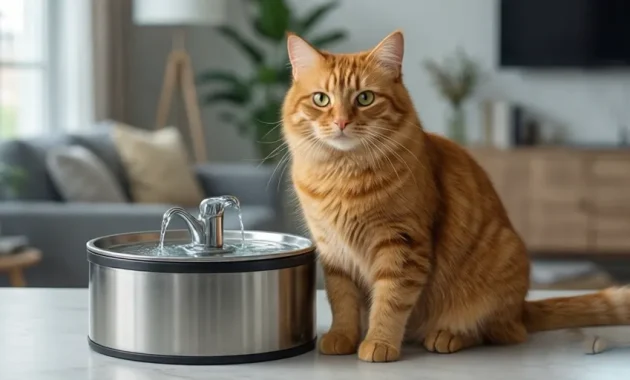
Feline Lower Urinary Tract Disease (FLUTD) is one of the most common, complex, and frustrating medical issues encountered by cat owners worldwide. Because cats evolved from desert-dwelling ancestors, their bodies are designed to preserve water by producing highly concentrated urine. While this survival mechanism works beautifully in the wild, it can create significant challenges for modern indoor domestic cats. Concentrated urine creates the perfect environment for microscopic minerals to clump together, leading to painful crystals, stones, inflammatory cystitis, or life-threatening urinary tract blockages.
Managing a cat with a sensitive urinary system requires a careful, long-term approach that balances advanced clinical nutrition with specific daily care routines. Products like Pro Plan Adult Urinary Care Chicken Formula are scientifically built to target these exact physical vulnerabilities by actively managing urinary chemistry, controlling mineral absorption, and protecting vital kidney function.
This comprehensive manual explores the science behind feline urinary health, breaks down critical nutritional targets, simplifies daily feeding calculations, and provides a clear guide to reading your cat's behavioral signals so you can prevent urinary issues and ensure long-term vitality.

The Biology of Feline Urinary Disease: Understanding Crystals and pH balance
To successfully manage a cat's urinary health, it helps to understand the internal biochemistry of the feline bladder. FLUTD is an umbrella term that covers several distinct urinary issues, with the two most common being Struvite crystals (magnesium ammonium phosphate) and Calcium Oxalate crystals.
                          [ The Feline Urinary pH Scale ]
                                         │
       🔲 Neutral Baseline (7.0) ────────┼──────── 🔲 Neutral Baseline (7.0)
                                         │
       ◀── Alkaline Danger Zone          │          Acidic Danger Zone ──▶
       [ pH > 6.8 ]                      │          [ pH < 6.0 ]
       └── Promotes Struvite Crystals    │          └── Promotes Calcium Oxalate
The Role of Urinary pH
The acidity or alkalinity of your cat's urine plays a direct role in whether minerals dissolve safely or crystallize into painful stones.
Alkaline Urine (pH above 6.8): When a cat's diet contains excessive plant-based fillers or lack proper urinary-acidifying agents, the urine pH swings in an alkaline direction. This alkaline state causes magnesium, ammonium, and phosphate to bind together, leading to the rapid formation of Struvite crystals.
Acidic Urine (pH below 6.0): If the urine becomes overly acidic, magnesium stones cannot form, but a different danger emerges. An overly acidic environment triggers calcium and oxalate to precipitate, forming jagged Calcium Oxalate stones that cannot be dissolved with diet alone and often require surgical removal.
The Sweet Spot: The goal of professional urinary care nutrition is to keep the urine pH in a precise, slightly acidic zone—ideally between 6.2 and 6.6. This balanced range creates an environment where both struvite and calcium oxalate crystals struggle to form.
The Dangers of Low Fluid Intake
Because cats have a low thirst drive, they often fail to drink enough standing water to compensate for a dry kibble diet. When fluid intake is low, the urine sits in the bladder for long periods, becoming highly concentrated. This stagnation gives mineral molecules plenty of time to collide, attach, and grow into stones or obstructive plugs. Keeping urine diluted through proper hydration is the single most effective way to protect your cat's bladder health.
- 1. What is FLUTD in cats?
- 2. What causes urinary crystals in cats?
- 3. What are the symptoms of urinary problems in cats?
- 4. Why are male cats more prone to urinary blockages?
- 5. Is a urinary blockage in cats an emergency?
- 6. How does urinary care cat food help?
- 7. What urinary pH is ideal for cats?
- 8. Why is hydration so important for cats?
- 9. Should cats with urinary issues eat wet food?
- 10. Can dry food alone cause urinary problems?
- 11. How can I encourage my cat to drink more water?
- 12. What minerals contribute to urinary crystals?
- 13. What is the difference between struvite and calcium oxalate crystals?
- 14. Can stress trigger urinary problems in cats?
- 15. How many litter boxes should I have?
- 16. Why is my cat urinating outside the litter box?
- 17. What are the warning signs of a blocked cat?
- 18. Can probiotics help urinary health?
- 19. How often should litter boxes be cleaned?
- 20. Can urinary problems in cats be prevented?
Structural Ingredient Analysis of Pro Plan Urinary Care
Pro Plan Urinary Care Chicken Formula uses a highly focused ingredient architecture designed to reduce structural urinary stress while satisfying a cat's natural meat cravings.
                  [ Pro Plan Urinary Care Nutritional Framework ]
                                         │
         ┌───────────────────────────────┼───────────────────────────────┐
         ▼                               ▼                               ▼
[ High-Quality Chicken ]       [ Targeted Probiotics ]        [ Controlled Mineral Blends ]
 ├── Real Dehydrated Meat       ├── Bacillus coagulans         ├── Restricted Magnesium
 └── Natural Glucosamine Source └── Stabilizes Gut Immunity     └── Precise Phosphorus Targets
Deconstructed Components
1. Real Chicken Base (Dehydrated Chicken Meat & Fresh Chicken)
Real chicken serves as the primary protein source. Chicken meal provides a highly concentrated supply of amino acids without the high water weight of fresh meat, making it an exceptional option for maintaining lean muscle mass. Additionally, natural chicken tissues are rich in glucosamine, a structural compound that helps repair and maintain the protective glycosaminoglycan (GAG) layer lining the inner bladder wall.
2. Balanced Carbohydrates (Rice, Corn Protein, Whole Wheat)
These grains act as clean binders to create the physical kibble structure. By sourcing highly digestible starches like rice, the formula satisfies metabolic energy needs without overloading the digestive tract with heavy, unrefined plant fibers that can interfere with water absorption.
3. Animal & Fish Oils (Essential Lipid Matrix)
The inclusion of high-quality animal fats and concentrated fish oils delivers a potent supply of Omega-3 and Omega-6 fatty acids. These essential fats soothe chronic bladder wall inflammation, hydrate the outer skin layer, and give the coat a beautiful, healthy sheen.
4. Microencapsulated Probiotics (Bacillus coagulans)
This specialized formula stands out due to the addition of 1.32 billion CFU/kg of live Bacillus coagulans fermentations. This sturdy, spore-forming probiotic survives the journey through harsh stomach acids to colonize the lower intestines, actively strengthening your cat's digestive biome and boosting their overall immune response.
Deep Nutrient Breakdown: Guarding Kidneys and Bladder Health
Beyond the ingredient list, the true power of urinary care nutrition lies in its precise analytical numbers. Every mineral and vitamin level is carefully calibrated to protect kidney filtration and prevent stone formation.
Nutrient Matrix Breakdown
| Nutrient Class | Guaranteed Concentration | Biological Function in Urinary Care |
| Crude Protein | 34.0% Minimum | Delivers essential amino acids for lean muscle mass without overloading the kidneys with excess waste nitrogen. |
| Crude Fat | 14.0% Minimum | Provides clean, concentrated metabolic energy while supporting cell membrane health. |
| Crude Fiber | 3.0% Maximum | Kept low to maximize nutrient absorption and prevent water from being pulled away from the kidneys and into the stool. |
| Phosphorus | 1.2% Minimum | Balanced perfectly with calcium to support strong bones while protecting the delicate filtering systems of the kidneys. |
| Magnesium | 1.0% Minimum (Targeted Low) | Strictly managed baseline to starve struvite stones of the core raw material they need to form. |
| Omega-3 Fatty Acids | 0.7% Minimum | Naturally lowers systemic inflammation, comforting irritated bladder tissues (cystitis). |
| Omega-6 Fatty Acids | 1.8% Minimum | Rich in linoleic acid to lock moisture into the skin barrier for a smooth, glossy coat. |
| Vitamin C & E | 10,000 IU/kg & 70 mg/kg | Powerful antioxidants that combat oxidative cell stress and reinforce your cat's immune defenses. |
Precision Feeding Strategy and Caloric Management
Because Pro Plan Urinary Care is highly nutrient-dense, providing 3.7 calories per gram (3,700 kcal/kg), measuring precise daily portions is essential. Overfeeding can lead to unwanted weight gain, and obesity is a major risk factor for feline urinary issues because less active cats urinate less frequently.
1. 100% Dry Kibble Protocol (Exclusively Dry Feeding)
If you prefer to feed dry food exclusively, use this daily weight chart to measure your cat's exact portions based on their current body condition:
[ Ideal Weight (Lean/Active) ] ────► Higher Caloric Portions (Maintains lean muscle)
[ Overweight (Less Active)   ] ────► Restricted Portions    (Promotes safe fat loss)
| Cat's Body Weight | Ideal Body Weight Daily Portion | Overweight Tendency Daily Portion |
| 2 kg | 27 grams | 22 grams |
| 3 kg | 40 grams | 32 grams |
| 4 kg | 54 grams | 43 grams |
| 5 kg | 68 grams | 54 grams |
| 6 kg | 81 grams | 65 grams |
| Above 6 kg | Add 13 grams for every additional 1 kg. | Add 11 grams for every additional 1 kg. |
2. The Hybrid Hydration Protocol (Mixed Dry + Wet Feeding)
For cats with a sensitive urinary tract, a hybrid diet that combines dry kibble with high-moisture wet food pouches is highly recommended. This mixed feeding method adds significant hydration to their daily intake, naturally diluting the urine to flush away crystals before they can form stones.
| Cat's Body Weight | Hybrid Portion (Ideal Weight) | Hybrid Portion (Overweight Tendency) |
| 2 kg | 17 grams Dry + 1 Wet Pouch | 12 grams Dry + $\frac{1}{2}$ Wet Pouch |
| 3 kg | 20 grams Dry + 1 Wet Pouch | 12 grams Dry + 1 Wet Pouch |
| 4 kg | 33 grams Dry + 1 Wet Pouch | 23 grams Dry + 1 Wet Pouch |
| 5 kg | 48 grams Dry + 1 Wet Pouch | 34 grams Dry + 1 Wet Pouch |
| 6 kg | 61 grams Dry + 1 Wet Pouch | 45 grams Dry + 1 Wet Pouch |
| Above 6 kg | 13 grams Dry + 1 Wet Pouch | 11 grams Dry + 1 Wet Pouch |
Actionable Environmental Changes for Feline Urinary Success
While feeding a premium, urinary-focused diet is a crucial foundation, it is only half the battle. To truly protect your cat from lower urinary tract issues, you must combine great nutrition with strategic changes to their daily environment.
                       [ Holistic Urinary Care Strategy ]
                                       │
         ┌─────────────────────────────┴─────────────────────────────┐
         ▼                                                           ▼
 [ Advanced Hydration ]                                     [ Litter Box Management ]
 ├── Recirculating water fountains                          ├── Maintain an N+1 box count
 ├── Multiple fresh water bowls                             ├── Keep boxes clean with unscented litter
 └── Add warm water directly to kibble                      └── Place boxes in quiet, low-traffic areas
1. Implementing the Multi-Point Hydration Strategy
To encourage your cat to drink more water throughout the day, try these practical steps:
Move Water Bowls Away from Food: In the wild, cats avoid drinking water located right next to their fresh prey, as it could be contaminated. Move your water bowls at least a few feet away from their feeding station to trigger their natural instinct to drink.
Use Pet Water Fountains: Cats are naturally drawn to moving water because it indicates freshness. Installing recirculating water fountains can significantly increase your cat's daily water intake.
Vary Bowl Materials: Some cats are sensitive to the smell or reflection of certain materials. Provide a mix of ceramic, stainless steel, and glass bowls across the house to see which one your cat prefers.
2. Optimizing the Litter Box Environment
If a cat feels stressed, anxious, or uncomfortable using their litter box, they will instinctively hold their urine for long periods. This extended wait allows crystals to grow into dangerous blockages.
The N+1 Rule: Always provide one more litter box than the total number of cats in your home. If you have one cat, you should have two boxes located in separate rooms.
Location Matters: Place litter boxes in quiet, low-traffic areas where your cat won't be startled by loud household appliances or sudden foot traffic.
Keep It Clean: Scoop the litter boxes daily. Cats have an incredibly sensitive sense of smell, and a dirty box can easily discourage them from using it regularly.
Recognizing Urgent Signs of Urinary Distress
Urinary tract blockages can escalate into life-threatening emergencies within 24 to 48 hours—especially in male cats, whose long, narrow urethras plug easily. As a dedicated owner, learning to recognize the warning signs of a urinary issue early can save your cat's life.
The Emergency Warning Checklist
Frequent Litter Box Visits: Walking back and forth to the litter box every few minutes without producing any urine, or leaving behind only tiny, pebble-sized drops.
Vocalizing While Urinating: Letting out sharp, high-pitched meows, cries, or yowls while straining in the litter box, which indicates significant physical pain.
Obsessive Grooming: Continuously licking their lower belly, groin area, or genitals to soothe the internal burning and discomfort caused by inflammation.
Inappropriate Urination: Suddenly urinating outside the litter box on cool surfaces like tiled floors, sinks, bathtubs, or your bedding. This happens because they connect the litter box with the pain they are feeling.
Lethargy and Loss of Appetite: If a complete urinary blockage occurs, toxins quickly build up in the bloodstream. If your cat is hiding, vomiting, or refusing to eat, seek emergency veterinary care immediately.
Summary Performance Matrix
| Care Focus | Actionable Target | Expected Health Benefit |
| Mineral Management | Low dietary magnesium and balanced phosphorus levels. | Deprives crystals of the raw materials they need to form stones. |
| pH Optimization | Maintain a stable, slightly acidic urinary pH (6.2 – 6.6). | Allows microscopic crystals to dissolve safely before clumping. |
| Hydration Strategy | Implement hybrid feeding and pet fountains. | Dilutes urine concentration to flush the bladder regularly. |
| Digestive Defense | Deliver 1.32 billion CFU/kg of Bacillus coagulans. | Supports a healthy gut biome and reinforces immune vitality. |
| Litter Box Care | Follow the N+1 box count and scoop daily. | Lowers stress to encourage normal, regular urination habits. |
Frequently Asked Questions (FAQ)
1. What is FLUTD in cats?
Feline Lower Urinary Tract Disease (FLUTD) is a group of urinary disorders affecting a cat’s bladder and urethra. Common problems include urinary crystals, bladder inflammation, urinary tract infections, and urethral blockages.
2. What causes urinary crystals in cats?
Urinary crystals form when minerals in concentrated urine bind together. Poor hydration, improper urinary pH balance, stress, obesity, and certain diets can all contribute to crystal formation.
3. What are the symptoms of urinary problems in cats?
Common symptoms include frequent litter box visits, straining to urinate, crying while urinating, blood in the urine, licking the genital area, urinating outside the litter box, and lethargy.
4. Why are male cats more prone to urinary blockages?
Male cats have narrower and longer urethras than females, making it easier for crystals, mucus, or debris to create dangerous blockages.
5. Is a urinary blockage in cats an emergency?
Yes. A complete urinary blockage is life-threatening and requires immediate veterinary care within 24–48 hours to prevent kidney failure and toxin buildup.
6. How does urinary care cat food help?
Urinary care diets help maintain balanced urine pH, reduce magnesium levels, increase hydration support, and minimize crystal formation inside the bladder.
7. What urinary pH is ideal for cats?
The ideal urinary pH range for most cats is slightly acidic, typically between 6.2 and 6.6, which helps reduce the risk of both struvite and calcium oxalate crystals.
8. Why is hydration so important for cats?
Proper hydration dilutes urine, helping flush minerals and toxins from the bladder before crystals and stones can develop.
9. Should cats with urinary issues eat wet food?
Wet food is highly recommended because its high moisture content naturally increases water intake and helps dilute urine concentration.
10. Can dry food alone cause urinary problems?
Dry food itself is not always the direct cause, but low water intake combined with dry kibble can increase the risk of concentrated urine and crystal formation.
11. How can I encourage my cat to drink more water?
Use water fountains, provide multiple water bowls, separate water from food dishes, and offer wet food regularly.
12. What minerals contribute to urinary crystals?
Magnesium, phosphorus, calcium, and oxalates are the primary minerals associated with urinary crystal and stone formation.
13. What is the difference between struvite and calcium oxalate crystals?
Struvite crystals usually form in alkaline urine and may dissolve with diet changes, while calcium oxalate stones form in overly acidic urine and often require surgery.
14. Can stress trigger urinary problems in cats?
Yes. Stress can contribute to feline idiopathic cystitis (FIC), causing bladder inflammation, painful urination, and inappropriate urination behavior.
15. How many litter boxes should I have?
The recommended rule is one more litter box than the number of cats in your home (N+1 rule).
16. Why is my cat urinating outside the litter box?
Cats may avoid the litter box due to pain, stress, dirty litter conditions, territorial anxiety, or urinary tract discomfort.
17. What are the warning signs of a blocked cat?
Emergency signs include repeated straining, no urine production, crying in pain, vomiting, hiding, weakness, and refusal to eat.
18. Can probiotics help urinary health?
Certain probiotics may support digestive balance and immune health, which can indirectly reduce inflammation and improve overall wellness.
19. How often should litter boxes be cleaned?
Litter boxes should be scooped daily and fully cleaned regularly to encourage healthy urination habits.
20. Can urinary problems in cats be prevented?
Many urinary issues can be reduced with proper hydration, stress management, high-quality nutrition, regular veterinary care, and maintaining a clean litter box environment.