
The Definitive 2026 Guide to Feline Nutrition: Choosing the Best Food for Lifelong Wellness
2 months ago
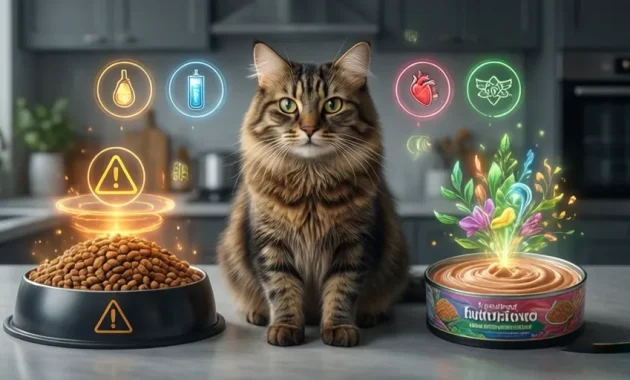
In 2026, we no longer view cat food as just "fuel." Modern veterinary science recognizes nutrition as the most powerful tool for preventive medicine. What you put in your cat’s bowl today directly influences their susceptibility to chronic kidney disease, diabetes, and obesity ten years from now.
For new "PetLovers," the sheer volume of choices—ranging from high-protein dry kibble to artisanal pates—can be overwhelming. This guide is designed to break down the complexities of feline nutrition, helping you choose the best diet tailored to your cat’s unique biological needs.
Understanding the Obligate Carnivore
Before choosing a brand, one must understand that cats are obligate carnivores. Unlike humans or dogs, cats lack the metabolic pathways to efficiently process significant amounts of plant-based proteins or carbohydrates. Their bodies are "hardwired" to utilize animal tissues for three critical components:
Taurine: An essential amino acid for heart and eye health.
Arachidonic Acid: A fatty acid vital for inflammatory responses.
Vitamin A: Cats cannot convert beta-carotene from plants into Vitamin A; they must ingest it from animal sources.
Dry Food Mastery: Beyond Convenience
Dry food, or "kibble," remains the most popular choice globally. In 2026, the best dry foods (like Pro Plan) are engineered not just for satiety, but for functional health.
The Oral Health Advantage
One of the most significant benefits of dry food is its mechanical action. High-quality kibble is designed with a specific texture that creates a "scrubbing" effect on the teeth. This reduces the accumulation of dental plaque and tartar, which are the primary causes of periodontal disease—a condition affecting over 70% of cats by age three.
Energy Density and Stability
Dry food is highly concentrated. For busy owners, it offers the convenience of "free-feeding" (though this must be managed to avoid obesity). Unlike wet food, dry kibble can remain fresh in the bowl for up to 60 minutes or longer, accommodating the cat’s natural instinct to "graze" throughout the day.
Wet Food Excellence: The Hydration Key
If dry food is the king of convenience, wet food is the queen of hydration. In the wild, cats obtain most of their water from their prey. Domestic cats often have a low "thirst drive," which can lead to concentrated urine and bladder stones.
Promoting Lean Body Mass
Wet food typically boasts a higher protein-to-carbohydrate ratio compared to dry food. This is essential for maintaining Lean Body Mass (LBM). As cats age, they naturally lose muscle; a high-protein wet diet helps preserve this muscle, ensuring they remain active into their senior years.
Palatability and Variety
Cats are notorious for "finicky" eating habits. Wet food provides a sensory experience—aroma, texture, and moisture—that can entice even the pickiest eater. Rotating flavors (chicken, salmon, turkey) prevents dietary boredom and ensures a wider spectrum of micronutrients.
Treats and Snacks: The 10% Rule
Treats are more than just extra calories; they are a medium for Positive Reinforcement. Whether you are training your cat to use a scratching post or simply bonding after a long day, a snack like DentaLife Cat serves a dual purpose.
The Golden Rule of Snacking: Treats should never exceed 10% of the total daily caloric intake. Overfeeding snacks leads to "nutrient dilution," where the cat becomes too full to eat their nutritionally balanced main meal, leading to deficiencies over time.
Frequently Asked Questions (FAQ)
1. Why are cats considered obligate carnivores?
Cats require nutrients found naturally in animal tissues, including taurine, arachidonic acid, and preformed vitamin A.
2. Is wet food better than dry food for cats?
Wet food provides superior hydration and often contains more protein, while dry food offers convenience and dental support.
3. Can dry food help clean a cat’s teeth?
Some high-quality kibble is designed to reduce plaque buildup through mechanical chewing action.
4. Why is hydration important for cats?
Cats naturally have a low thirst drive, making hydration essential for urinary tract and kidney health.
5. How much protein does a cat need?
Cats require a high-protein diet because their metabolism is specialized for processing animal-based nutrients.
6. Can cats survive on plant-based diets?
Cats cannot efficiently process plant-based diets long-term because they require animal-derived nutrients for survival.
7. What is the 10% rule for cat treats?
Treats should make up no more than 10% of a cat’s total daily calorie intake to avoid obesity and nutrient imbalance.
8. Why do cats become picky eaters?
Cats are highly sensitive to aroma, texture, and flavor, making variety and palatability important factors in feeding.
9. Is free-feeding dry food safe?
Free-feeding can work for some cats but may increase the risk of overeating and obesity if portions are not monitored.
10. How does nutrition affect long-term feline health?
Proper nutrition supports healthy weight, kidney function, muscle maintenance, immune health, and disease prevention throughout a cat’s life.