The Anatomy of Feline Affection: Deciphering the Subtle Science and Hidden Language of Cat Love
2 months ago
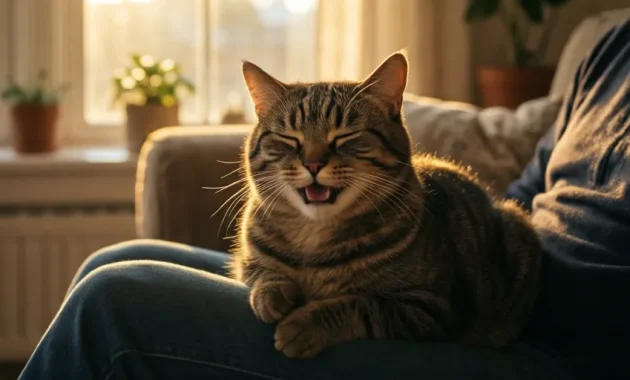
For centuries, domestic cats have carried an unfair reputation in the world of popular culture. While dogs are universally celebrated as loyal, transparent, and overtly affectionate companions, cats are frequently mischaracterized as aloof, detached, independent, and emotionally cold. Skeptics often wonder if our feline companions truly care for us or if they simply view humans as convenient, automated food dispensers that open cans of wet food and clean out litter boxes.
If you share your home with a cat, you already know this stereotype is entirely false. However, proving feline affection to the outside world requires understanding a completely different language. Cats are a unique, highly intelligent, and complex species that forms deep, enduring emotional bonds with their chosen humans.
They do not express affection through the loud, high-energy, tail-wagging metrics of a dog. Instead, a cat's devotion is quiet, nuanced, and communicated through a sophisticated system of multi-sensory modalities involving subtle facial expressions, chemical scent messages, and tactical body postures.
This comprehensive, master-level guide explores the science of feline attachment. We will examine how evolutionary biology shapes your cat’s emotional world, break down the primary visual and tactile signs of cat love, and reveal how you can use advanced behavioral insights to deepen your bond with your feline companion.
The Evolutionary Science Behind Feline Attachment
To truly answer the question, "Do cats love their owners?" we must first move past human-centric definitions of love. Cats do not feel or display affection in the exact way humans or dogs do. Instead, their emotional world is governed by deep-seated survival instincts, positive reinforcement loops, and complex neurochemistry.
THE EVOLUTIONARY MODEL OF FELINE LOVE
[ Solitary Wild Ancestor ] ──► [ Domestic Co-Evolution ] ──► [ Human as a Secure Base ]
                                                                        │
                                                                        ▼
                                                           [ Neurochemical Bonding ]
The domestic cats of today (Felis catus) evolved from the African wildcat (Felis lybica), a strictly solitary predator that defended massive territories and interacted with other cats only during mating season. Unlike dogs, which were domesticated over tens of thousands of years to work in cooperative packs alongside human hunters, cats essentially domesticated themselves around 10,000 years ago during the rise of human agriculture.
When early humans established grain stores, they attracted large rodent populations. Wildcats moved into these human settlements to exploit the abundant food supply. Humans welcomed the free pest control, and a mutual relationship was born.
Because their survival depended on reading human body language and coexisting in close quarters, cats gradually adapted their solitary instincts into a capacity for social communication and emotional attachment.
2. The "Secure Base" Phenomenon: What Science Says
In recent years, animal behaviorists and cognitive scientists have begun to study the exact nature of the bond between cats and humans. A groundbreaking study conducted at Oregon State University applied the classic human attachment test—traditionally used on human infants and dogs—to domestic felines.
The study placed cats in an unfamiliar, slightly stressful room with their owners, had the owners leave for a brief period, and then documented the cats’ behavior upon the owner’s return.
THE SECURE BASE EFFECT (OSU Study)
┌──────────────────────────────────────┐    ┌──────────────────────────────────────┐
│       Insecure Attachment (35%)      │    │        Secure Attachment (65%)       │
├──────────────────────────────────────┤    ├──────────────────────────────────────┤
│ • Avoids or hides from the owner.    │    │ • Greets the owner immediately.      │
│ • Displays constant vocal distress.  │    │ • Explores the room confidently.     │
│ • Runs away when picked up.          │    │ • Heart rate and stress decline.     │
└──────────────────────────────────────┘    └──────────────────────────────────────┘
The results were astonishing: over 65% of the cats displayed a "secure attachment style" to their owners. When their human returned to the room, these cats showed a significant drop in stress, greeted their owners, and confidently explored the new environment using the human as a safety anchor. This identical percentage perfectly matches the secure attachment rates found in human toddlers and domestic dogs, proving that cats view their owners as primary sources of comfort and safety.
3. Separation Anxiety and Over-Attachment
Further proof of cat love lies in the growing clinical recognition of feline separation-related problems. Many domestic cats become deeply attached to their primary caregivers.
When left alone for extended periods, these over-attached cats can display signs of genuine distress, including persistent howling, destructive scratching at doorways, and urinating outside the litter box on items that carry their owner's scent. This intense emotional vulnerability shows that the presence of their human is vital to their mental well-being.
- 1. The Domestic Evolution: From Solitary Hunters to Social Companions
- 2. The "Secure Base" Phenomenon: What Science Says
- 3. Separation Anxiety and Over-Attachment
- 1. Do cats really love their owners?
- 2. How do cats show affection?
- 3. Why does my cat rub its face against me?
- 4. What does it mean when a cat slow blinks at you?
- 5. Can cats recognize their owner’s voice?
- 6. Why does my cat sleep next to me?
- 7. Why does my cat knead blankets or my lap?
- 8. Do cats get separation anxiety?
- 9. Why does my cat expose its belly?
- 10. Is purring always a sign of happiness?
- 11. Why does my cat follow me everywhere?
- 12. Do cats understand human emotions?
- 13. Why does my cat bring me toys or prey?
- 14. Can shy or rescue cats learn to trust humans?
- 15. What is the best way to bond with a cat?
- 16. Why do cats lick their owners?
- 17. Do cats prefer one person in the household?
- 18. Can cats feel jealousy?
- 19. Why does my cat trill or chirp at me?
- 20. How can I tell if my cat trusts me completely?
Visual and Olfactory Signs of Feline Affection
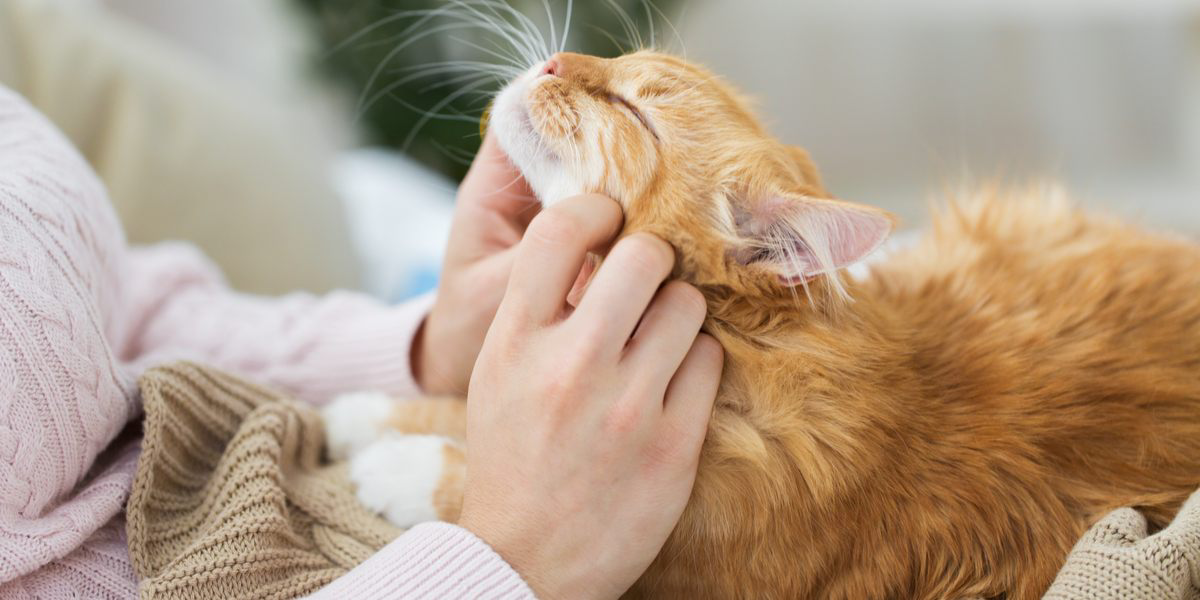
Because cats are a cautious, evolutionary prey species as well as predators, they use multi-sensory modalities (visual combined with olfactory and tactile signals) to communicate safety, trust, and love. To accurately assess how your companion feels, you must look at their body postures and facial expressions together.
                    THE MULTI-SENSORY MODALITY MATRIX
                                    │
     ┌──────────────────────────────┼──────────────────────────────┐
     ▼                              ▼                              ▼
[ VISUAL POSTURES ]        [ OLFACTORY MESSAGES ]         [ TACTILE STIMULI ]
 ├── Vertical Tail Hold     ├── Facial Bunting             ├── Allogrooming
 ├── Social Rolling         ├── Allochemo-Marking          ├── Lap Kneading
 └── Slow-Blink Sequences   └── Inter-Digital Pheromones   └── Head-Butting Contact
1. Bunting (Facial Rubbing and Head-Butting)
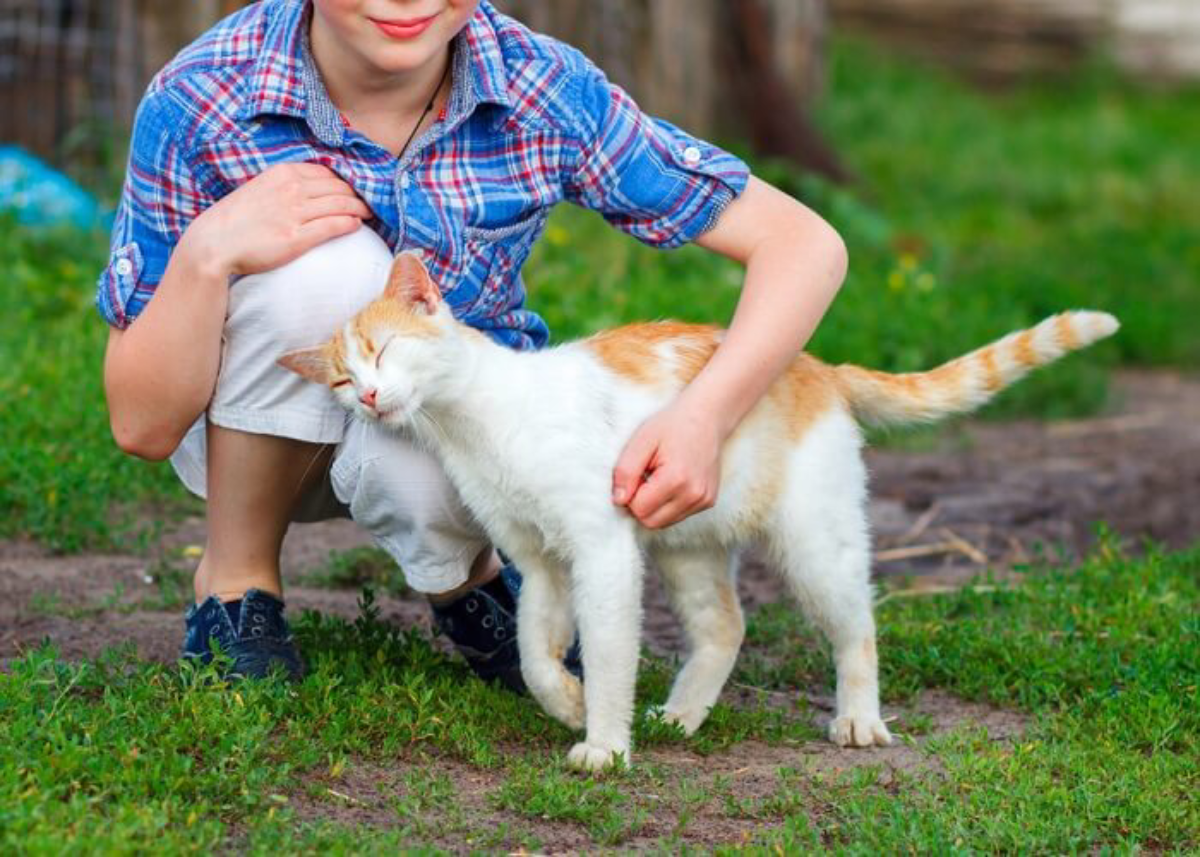
One of the most common ways a cat shows love is through bunting—the physical act of rubbing their cheeks, chin, and forehead against your hands, face, legs, or household furniture.
Cats possess concentrated sebaceous scent glands around their lips, chin, cheeks, eyes, and the base of their tail. These glands produce complex chemical messages called pheromones. When a cat rubs their face against you, they are depositing these pheromones onto your skin.
In the feline world, this is an act of high-level social bonding called allochemo-marking. By mixing their scent with yours, the cat creates a unified "group scent." This chemical signature makes the cat feel safe and secure in their environment while signaling to the world that you are a trusted, beloved member of their family pack.
You walk into the living room, and your cat immediately drops to the floor, flips onto their back, and rolls from side to side, fully exposing their soft underbelly. This behavior is called social rolling, and it is a powerful distance-decreasing signal designed to welcome you home.
THE SOCIAL ROLLING PIPELINE
[ Cat Spots Owner ] ──► [ Drops to Ground ] ──► [ Exposes Underbelly ] ──► [ "I Trust You Completely" ]
                                                                                   │
                                                                                   ▼
                                                                     [ CAUTION: The Belly Trap ]
A cat’s belly is their most vulnerable anatomical region; it houses all their vital internal organs and is completely unprotected by bone or heavy muscle. Exposing this area to you is an ultimate declaration of complete trust and relaxation.
The Belly Trap Warning: While social rolling is a loving greeting and an invitation to approach, it is rarely an invitation for a belly rub. If you aggressively scratch a cat's belly, their predatory reflex may kick in, causing them to suddenly grab your hand with their claws or teeth. Unless you know your cat enjoys it, focus your affection on their cheeks, chin, and head instead.
3. The Vertical Tail Hold
A cat’s tail is an incredibly expressive barometer of their emotional state. A tail tucked tightly between the legs signals terror; a thumping, lashing tail signals rising agitation. Conversely, when your cat walks toward you with their tail held perfectly straight up into the air—often with a slight, vibrating hook or twitch at the very tip—they are displaying a classic distance-decreasing greeting signal.
This posture is reserved exclusively for favored companions, indicating that the cat is excited, confident, and eager to interact with you.
4. The Science of the "Slow Blink"
Can you look a cat in the eyes and tell them you love them? Yes—if you use the correct visual language. In the animal kingdom, a direct, unblinking stare is interpreted as an aggressive, confrontational challenge. However, animal behaviorists have recently confirmed that a specific sequence known as the slow blink is the feline equivalent of a smile.
THE SLOW-BLINK SUCCESSION
Step 1: Relaxed Eye Contact ──► Step 2: Series of Half-Blinks ──► Step 3: Prolonged Eye Closure
A slow blink involves a series of relaxed half-blinks followed by a prolonged narrowing or complete closure of the eyes. This behavior signifies that the cat feels entirely safe and unthreatened in your presence.
You can actively use this behavior to reduce stress in a worried cat: catch their eye from a distance, blink slowly over two to three seconds, and then look away. You will often see them return the gesture, confirming their trust.
The Intricate Subtleties of Acoustic and Tactile Love
Beyond visual postures and chemical scent deposits, cats use specific touch behaviors and vocalizations to reinforce their bonds with human caregivers.
1. The Complex Mechanics of Purring
Purring is the most universally recognized sign of a content cat. The physical mechanism behind a purr begins in the cat's brain, which sends rhythmic, neural messages to the muscles of their larynx (voice box). These muscles twitch at a frequency of 25 to 150 vibrations per second, causing the vocal cords to separate as the cat breathes in and out, creating the iconic hum.
While cats do occasionally purr to comfort themselves when they are frightened, injured, or giving birth, the vast majority of purring in the home signals deep contentment.
POSITIVE PURRING CONTEXTS
├── A mother cat nursing her kittens to build a bond.
├── Resting on a favorite owner's lap or chest.
├── Rubbing up against another favored animal companion.
└── Direct human interaction, such as petting or calm talking.
Interestingly, some cats develop a specialized "solicitous purr" when they want attention or food from their owners. This unique purr embeds a high-frequency cry—sonically similar to a human infant's cry—within the pleasant low-frequency hum, making it nearly impossible for an owner to ignore.
2. Kneading (The "Making Biscuits" Phenomenon)
Few things are as heartwarming as a relaxed cat rhythmically paddling their front paws against your lap, a soft blanket, or a plush pillow. This behavior, affectionately known as "making biscuits," stems directly from early kittenhood.
Newborn kittens instinctively knead their mother’s mammary glands while nursing to stimulate the flow of milk.
When a domestic cat continues this behavior into adulthood, it occurs almost exclusively right before they settle down to sleep or when they are feeling profoundly relaxed, loved, and secure. It is a physical manifestation of comfort that links their happiest kitten memories to their current life with you.
3. Allogrooming and Scent Exchange
Cats spend a massive portion of their waking hours grooming themselves. When two cats who share a close bond groom each other, it is called allogrooming.
If your cat licks your bare arm, nibbles your fingers, or suckles on your clothing, they are treating you as a member of their immediate family pack.
THE ALLOGROOMING LOOP
[ Cat Licks Human Skin ] ──► [ Removes Foreign Odors ] ──► [ Deposits Salivary Pheromones ] ──► [ Unified Family Odor ]
Through this grooming loop, the cat removes unfamiliar external odors from your skin and replaces them with their own salivary pheromones. This exchange creates a shared family scent profile, signaling that you belong together.
Feline vs. Canine Affection Profiles
To truly appreciate your cat's love, it helps to understand how their behavioral style contrasts with that of domestic dogs. Neither style is superior, but they require entirely different interpretations.
Practical Blueprint — How to Speak Cat and Deepen Your Bond
If you want your cat to feel truly content and loved around you, you must learn to reciprocate their affection using a language they intuitively understand. Follow this structured blueprint to build a deeper bond with your feline companion:
1. Master the Rule of Consent-Based Interaction
Many well-meaning cat owners accidentally damage their bond with their pets by forcing affection onto them. Because cats value autonomy and control over their immediate environment, forcing them to be held or cuddled can trigger fear and avoidance behaviors.
2. Learn to Recognize the "Owner Recognition" Response
Research shows that cats know exactly who you are. A study by behavioral scientist Dr. John Bradshaw confirmed that cats easily differentiate their owner's voice from a stranger's call.
When a stranger calls a cat's name, the cat may twitch their ears but otherwise ignore the sound. However, when their owner calls, the cat will display distinct engagement behaviors: turning their head toward the sound, rotating their ears fully forward, activating a soft purr, or answering with a quiet trill.
To reinforce this vocal bond, talk to your cat in low, soothing, predictable tones throughout the day. They may not understand your words, but they are deeply comforted by your unique acoustic profile.
3. Honor the Architecture of Feline Safe Spaces
To help a cat feel truly adored, you must respect their territorial nature. A secure environment is the foundation of a happy, affectionate cat.
Provide Vertical Elevation: Ensure your home features vertical spaces like cat trees, window perches, or wall-mounted shelves. Cats feel safest when they can survey their territory from a high vantage point.
Create Uninterrupted Retracting Zones: Place enclosed cat beds or cozy boxes in quiet corners of your home. If your cat retreats to one of these spots, establish a firm household rule that they are not to be disturbed or pulled out for petting. Knowing they have a guaranteed safe space builds immense trust.
Final Thoughts: The Quiet Elegance of Cat Love
Ultimately, the love of a cat is a profound privilege. They are not pack animals that automatically accept hierarchy, nor do they offer their affection blindly to anyone who walks through the front door. A cat's trust must be earned patiently through consistent, respectful, and gentle daily interactions.
THE BOND COMPLETION
[ Patient, Respectful Interaction ] ──► [ Earned Feline Trust ] ──► [ Unconditional Lifelong Love ]
When your cat walks into a room with their tail held high, settles onto your lap with a soft purr, and blinks slowly in your direction, they are giving you a wonderful gift. They are telling you that within our chaotic human world, you have become their safe harbor, their chosen family, and the center of their emotional life. By learning to read their delicate language, you can build a rich, rewarding bond that brings joy to both your lives for years to come.
Would you like to explore specific behavioral play techniques designed to build confidence in shy or previously anxious rescue cats?
FAQ
1. Do cats really love their owners?
Yes. Scientific studies show that cats form strong emotional attachments to humans, similar to the attachment styles seen in dogs and even human children. Cats often see their owners as a “secure base” that provides safety, comfort, and emotional stability.
2. How do cats show affection?
Cats express affection in subtle ways, including:
- Slow blinking
- Purring
- Head-butting (bunting)
- Kneading (“making biscuits”)
- Following you around
- Sleeping near or on you
- Grooming or licking you
- Greeting you with an upright tail
3. Why does my cat rub its face against me?
This behavior is called bunting. Cats have scent glands on their cheeks and forehead. When they rub against you, they deposit pheromones that mark you as part of their trusted social group.
4. What does it mean when a cat slow blinks at you?
A slow blink is a feline sign of trust and comfort. In cat language, slowly closing the eyes signals relaxation and non-aggression. Many behaviorists call it the “cat smile.”
5. Can cats recognize their owner’s voice?
Yes. Research shows cats can distinguish their owner’s voice from strangers. They may respond by turning their ears, looking toward you, meowing softly, or approaching.
6. Why does my cat sleep next to me?
Sleeping near you means your cat feels safe and secure in your presence. Cats are vulnerable while sleeping, so choosing your bed or lap is a major sign of trust.
7. Why does my cat knead blankets or my lap?
Kneading is a comforting behavior that begins during kittenhood while nursing. Adult cats continue this behavior when they feel relaxed, content, and emotionally secure.
8. Do cats get separation anxiety?
Yes. Some cats become very attached to their owners and may experience stress when left alone for long periods. Symptoms can include excessive meowing, destructive behavior, over-grooming, or inappropriate urination.
9. Why does my cat expose its belly?
Showing the belly is a sign of trust because the abdomen is a cat’s most vulnerable area. However, it is not always an invitation for belly rubs. Many cats instinctively protect their stomach if touched there.
10. Is purring always a sign of happiness?
Not always. Cats commonly purr when relaxed and content, but they may also purr when stressed, injured, or frightened as a self-soothing mechanism.
11. Why does my cat follow me everywhere?
Cats often follow humans they trust and feel bonded to. Your cat may see you as a source of comfort, safety, food, or companionship.
12. Do cats understand human emotions?
Cats can recognize changes in human tone, mood, body language, and daily routines. Many cats respond differently when their owners are sad, stressed, or calm.
13. Why does my cat bring me toys or prey?
This behavior may be a sign of trust and social bonding. Some experts believe cats bring “gifts” to share resources or encourage social interaction with their favorite human.
14. Can shy or rescue cats learn to trust humans?
Absolutely. With patience, predictable routines, gentle interaction, and positive reinforcement, even fearful rescue cats can develop deep emotional bonds with people.
15. What is the best way to bond with a cat?
The best ways include:
- Respecting their boundaries
- Letting them initiate interaction
- Using calm voices
- Playing daily with interactive toys
- Providing safe spaces and vertical climbing areas
- Maintaining consistent routines
16. Why do cats lick their owners?
Licking is a social grooming behavior called allogrooming. It helps strengthen social bonds and allows cats to mix scents with trusted companions.
17. Do cats prefer one person in the household?
Often, yes. Cats may form a stronger attachment to the person who consistently feeds them, respects their boundaries, plays with them, and provides comfort.
18. Can cats feel jealousy?
Cats may display behaviors resembling jealousy when routines change or attention shifts to another pet or person. This usually stems from stress, territorial insecurity, or disrupted social structure.
19. Why does my cat trill or chirp at me?
Trilling is a friendly greeting vocalization. Mother cats use it with kittens, and adult cats often use it with humans they trust and enjoy interacting with.
20. How can I tell if my cat trusts me completely?
Strong trust signs include:
- Sleeping exposed near you
- Slow blinking
- Head-butting
- Relaxed purring
- Grooming you
- Following you calmly
- Resting on your lap
- Greeting you at the door with an upright tail