
The Science of Feline Homing Instincts: How Cats Navigate, Why They Wander, and Actionable Search Protocols
2 weeks ago
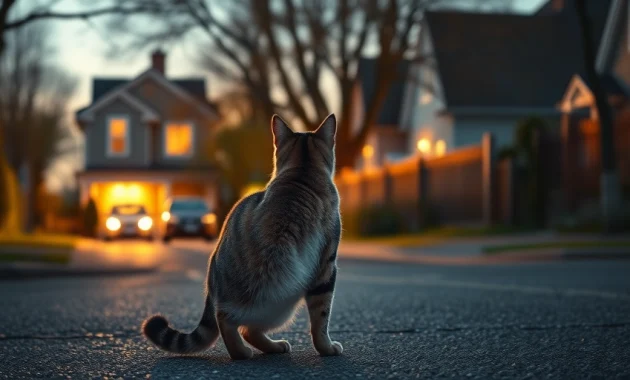
Few moments in pet parenthood cause as much sudden panic as realizing your cat is nowhere to be found. You shake the treat bag, check their favorite sunspots, peer under the sofa, and call their name—only to be met with total silence. In those first quiet minutes, your mind naturally leaps to worst-case scenarios.
Yet, beneath that panic lies an extraordinary biological reality: cats possess one of the most sophisticated, multi-sensory navigation systems in the domestic animal kingdom.
Equipped with an uncanny homing instinct that relies on olfactory mapping, low-frequency auditory processing, visual landmarks, and sensitivity to the Earth’s geomagnetic fields, a lost cat is far from helpless.
Understanding how feline navigation works—and combining that science with strategic, evidence-based search methods—can make all the difference when it comes to bringing a missing cat safely home.
Deconstructing the Feline Homing Instinct
For centuries, stories have circulated of cats traveling incredible distances across unfamiliar terrain to return to their original homes after a move. While some of these tales sound like folklore, behavioral science and veterinary neurology confirm that cats do indeed possess a distinct homing instinct.
Feline Multi-Sensory Navigation Array:
┌─────────────────────────────────────────────────────────────┐
│                   Geomagnetoreception                       │
│  - Sensitivity to the Earth's geomagnetic lines (Internal Compass)│
└──────────────────────────────┬──────────────────────────────┘
                               │
                               ▼
┌─────────────────────────────────────────────────────────────┐
│                 Olfactory Mental Mapping                    │
│  - Concentric rings of familiar scent cues (Vomeronasal organ) │
└──────────────────────────────┬──────────────────────────────┘
                               │
                               ▼
┌─────────────────────────────────────────────────────────────┐
│               Low-Frequency Auditory Triangulation           │
│  - Hearing range up to 64 kHz; pinpointing familiar sounds   │
└──────────────────────────────┬──────────────────────────────┘
                               │
                               ▼
┌─────────────────────────────────────────────────────────────┐
│                  Topographic Visual Memory                  │
│  - High night vision, motion sensitivity, physical landmarks │
└─────────────────────────────────────────────────────────────┘
Feline navigation relies on a complex combination of sensory inputs working together:
1. Geomagnetoreception: The Internal Compass
Researchers have long studied how migratory birds, sea turtles, and homing pigeons navigate using the Earth’s magnetic field. Evidence suggests that mammals, including felines, also possess form of magnetoreception.
Small deposits of iron-rich mineral compounds (such as magnetite) in the inner ear and neural pathways act as a natural compass. This biological system allows a displaced cat to sense magnetic field lines, giving them a general sense of orientation even in pitch-black environments or completely unfamiliar territory.
2. Olfactory Mapping and The Vomeronasal Organ
A cat’s sense of smell is roughly fourteen times stronger than that of a human. Cats do not simply smell food or danger; they build a detailed, mental olfactory map of their surroundings.
Olfactory Scent Zone Mapping:
[Cat's Core Safe Zone (Home)] ──► Concentric Rings of Scent ──► [Outer Boundary Limit]
                                           │
                                           ▼
                 Wind Borne Molecules Carry Familiar Scent Cues
As wind carries scent molecules across neighborhood corridors, a cat identifies overlapping bands of familiar smells—such as laundry detergent exhaust, favorite garden soils, territorial cheek-rub markers, and their human's scent.
Using their vomeronasal organ (Jacobson’s organ) located in the roof of the mouth, cats process complex chemical signals (pheromones), allowing them to trace subtle scent trails back toward their core territory.
3. Low-Frequency Auditory Triangulation
Feline ears are biological acoustic radar dishes. Powered by 32 individual muscles per ear, a cat can rotate their ears 180 degrees independently and pin-point the precise origin of a sound within a fraction of an inch.
More importantly, cats hear sounds up to 64,000 Hertz (64 kHz)—well beyond the human limit of 20 kHz. They can easily pick out familiar, distant sounds over background city noise, such as the hum of a specific family car engine, a garage door opening, or a familiar voice calling across the neighborhood.
- 1. Geomagnetoreception: The Internal Compass
- 2. Olfactory Mapping and The Vomeronasal Organ
- 3. Low-Frequency Auditory Triangulation
What the Data Says: Recovery Rates, Timelines, and Distance
When a cat goes missing, panic often drives pet parents to search randomly. However, empirical data from feline behavior studies gives us a clear roadmap for where and how to look.
Missing Cat Recovery Timeline (Data Breakdown):
34% Reunited Within 7 Days   ➔ [7-Day Threshold]
50% Reunited Within 30 Days  ➔ [30-Day Threshold]
61% Reunited Within 1 Year   ➔ [Cumulative Recovery Rate]
A landmark study examining the outcomes of over 1,200 missing cat cases revealed key statistical patterns that every pet parent should know:
The 7-Day Window: Approximately 34% of missing cats are recovered within the first week of disappearing.
The 30-Day Window: By day 30, the reunion rate rises to 50%.
The Cumulative Recovery Rate: Overall, 61% of missing cats are eventually reunited with their families within a year, though recovery rates drop significantly after the 90-day mark.
The 500-Meter Radius Rule
Perhaps the most crucial finding from missing cat behavioral research is that 75% of lost cats are found within a 500-meter (roughly 1,600-foot) radius of the point where they escaped.
Physical Search Radius Distribution:
┌─────────────────────────────────────────────────────────────┐
│                    Point of Escape (Home)                   │
│                                                             │
│   ┌─────────────────────────────────────────────────────┐   │
│   │   Inner Circle: 75% of Cats Found Within 500 Meters │   │
│   └─────────────────────────────────────────────────────┘   │
└─────────────────────────────────────────────────────────────┘
For indoor-only cats who accidentally slip outside, that radius is often even smaller: most are found hiding within 100 to 200 feet of their own front door.
This means that extensive physical searches close to home are far more effective than driving miles away or simply posting online.
Why Cats Wander Off: The Six Primary Drivers
Cats do not run away out of spite or a desire for adventure. Their movement is driven by hardwired evolutionary instincts, stress responses, or environmental triggers.
Feline Displace Mechanisms:
├── 1. The Mating Drive      ➔ Unneutered males/females traveling for miles to find mates
├── 2. Territorial Disputes  ➔ Being chased off core territory by rival neighborhood cats
├── 3. The Prey Drive        ➔ Unintentionally chasing small wildlife far out of bounds
├── 4. The Silence of Sickness➔ Seeking quiet, hidden shelter while injured or unwell
├── 5. Environmental Stress  ➔ Fleeing loud noises, home renovations, or new houseguests
└── 6. Opportunistic Feeding ➔ Finding alternative food sources at a neighbor's house
1. The Reproductive Drive
Unneutered male cats (toms) are biologically driven to roam. Driven by testosterone, an unneutered male will travel miles, cross busy roads, and fight rival cats to reach a female in heat. Unspayed females will similarly wander to advertise their presence.
2. Territorial Shifts and Rival Encounters
Cats view their world through a complex grid of territories. If a new, assertive neighborhood cat claims outdoor space near your home, your cat may get chased out of their usual comfort zone. Once displaced into unfamiliar territory, fear often prompts them to go into hiding rather than immediately run back across the rival's turf.
3. The Chasing Instinct (Prey Drive)
Even well-fed house cats retain a strong predatory drive. Chasing a bird, rodent, or insect can pull a cat into unfamiliar yards, through small fence openings, or down alleyways. Once the chase ends, the cat may look around, realize they don't recognize their immediate surroundings, and freeze in place.
4. The Instinct to Hide When Injured or Ill
In the wild, a sick or injured cat is vulnerable to larger predators. When a cat feels weak, nauseous, or in pain, their survival instinct tells them to find a dark, quiet, inaccessible spot to hide.
Cats dealing with sudden illness or injury often crawl under low decks, inside drain pipes, or into dense brush right near home, staying silent even when called.
Hiding Behavior Pattern:
Feeling Unwell / Injured ──► Survival Instinct Triggers ──► Hides in Inaccessible Cover
                                                                      │
                                                                      ▼
                                                       Stays Silent When Called
5. Environmental Stress and Fear Responses
Loud construction, fireworks, thunderstorms, home renovations, or unfamiliar houseguests can easily spook a cat. When panicked, a cat’s immediate goal is to put physical distance between themselves and the threat, often leading them to bolt out open doors or windows.
Actionable Search Protocols for Missing Cats
When your cat is missing, every hour counts. Follow this step-by-step physical search protocol to maximize your chances of a quick reunion.
Search Execution Timeline:
Immediate Phase ➔ Thorough Physical Sweep of Immediate Home Base (Closets, Sheds)
                                      │
                                      ▼
Secondary Phase ➔ Concentric Radius Search Around Neighboring Properties (Under Decks, Garages)
                                      │
                                      ▼
Dusk/Dawn Phase ➔ Low-Noise Auditory Search with Flashlights and Scent Markers
Step 1: Conduct an Exhaustive Indoor Search
Before assuming your cat escaped outside, check every corner of your home. Cats can squeeze into incredibly tight spaces when frightened or sleepy.
Check inside box springs beneath beds, behind clothes in dark closets, and inside laundry baskets.
Inspect behind appliances (refrigerators, washers, dryers) and inside kitchen or bathroom cabinets.
Check open drawers, drop ceilings, attics, basements, and garage rafters.
Step 2: Execute an Immediate Outdoor "Micro-Search"
If you are certain your cat is outside, focus on the immediate perimeter first. Remember: 75% of cats are found within 500 meters, and indoor cats often hide within 150 feet of the exit.
Step 3: Set Up Scent Stations
Help your cat navigate home by placing familiar scents near your entryway:
Scent Station Setup:
├── Unwashed Clothing / Bedding  ➔ Places familiar human scents near entryways
├── Used Litter Box              ➔ Provides a strong, familiar olfactory beacon
└── Smelly Wet Food              ➔ Use warmed sardines or tuna as an appetizing lure
Place an unwashed shirt, sweater, or blanket your cat frequently sleeps on near your back door.
Set out a small amount of smelly wet food (like warmed sardines or tuna) in a safe, covered spot.
Setting out a used litter box can provide a familiar scent, though use caution in areas with high stray populations, as it can occasionally attract territorial neighborhood cats.
Step 4: Escalate After 24 Hours
If your cat remains missing after 24 hours, expand your search efforts across the community:
Notify Local Resources: Call animal shelters, rescue groups, and local veterinary clinics to report your cat missing and provide their microchip details.
Distribute Flyers: Create clear, high-contrast flyers with a recent color photo, your cat's weight and distinguishing marks, and your phone number. Hand-deliver them to neighbors within a 3-block radius.
Post Online: Share details on local community networks, neighborhood social media groups, and lost-and-found pet registers.
Long-Term Prevention and Security Protocols
Once your cat is safely home, take steps to secure your environment and prevent future escapes.
Multi-Layered Prevention Strategy:
├── Microchipping              ➔ Permanent, tamper-proof digital identification
├── Safety Collar + ID Tag     ➔ Immediate visual identification for neighbors
├── Structural Barriers        ➔ Pet gates, window screens, and secure entryways
└── Controlled Outdoor Space   ➔ Catios, harnesses, and leash training
1. Microchipping and Visual ID
Keep Microchip Info Updated: A microchip is useless if it points to an outdated phone number or old address. Log into your chip provider's registry annually to keep your contact details current.
Breakaway Collars with Tags: Pair an internal microchip with an external breakaway collar that carries an ID tag and phone number for instant identification.
2. Physical Barriers and Safe Outdoors
Secure Windows and Doors: Install heavy-duty screens on windows and use pet gates near high-traffic entryways to prevent door-darting.
Provide Safe Outdoor Alternatives: If your cat loves being outside, build an enclosed catio or train them to walk safely using a secure, H-style harness and leash.
Spay or Neuter: Neutering or spaying eliminates the hormonal drive to wander in search of mates, keeping your cat safer and closer to home.
Conclusion: Balancing Science and Patience
Realizing your cat is missing is undeniably stressful, but understanding feline biology offers genuine comfort. Equipped with an impressive array of sensory tools and a strong homing instinct, your cat is far better prepared to navigate the world than it might seem.
By focusing your search close to home, searching during quiet hours, using familiar scents, and reaching out to your community, you significantly increase your chances of a happy reunion. Stay patient, trust the process, and stick to a structured search plan.
Quick Reference Action Plan for Missing Cats
| Action Phase | Primary Focus Area | Recommended Protocol |
| Immediate (Hours 1–3) | Exhaustive Micro-Search | Check every indoor hiding spot, then search within 150 feet of the house using a flashlight. |
| Short-Term (Hours 4–24) | Scent Lines & Quiet Searching | Set up scent stations (bedding/food) and search neighborhood yards at dawn and dusk. |
| Community Escalation (24 Hours+) | Public Outreach | Contact local shelters, check microchip records, and hand-deliver flyers to nearby neighbors. |
| Prevention & Security | Long-Term Safety | Update microchip details, install secure window screens, and consider building a catio. |
Frequently Asked Questions (FAQ)
1. Can cats really find their way home using a homing instinct?
Yes, many cats possess an impressive homing ability, although it is not fully understood. Researchers believe cats rely on multiple navigation systems simultaneously, including familiar scents, visual landmarks, hearing, spatial memory, and possibly sensitivity to the Earth's magnetic field. However, this ability varies greatly between individual cats and should never be relied upon as a guarantee that a missing cat will return home safely.
2. How far do most missing cats actually travel?
Research has shown that approximately 75% of missing cats are found within about 500 meters (1,600 feet) of where they disappeared. Indoor-only cats usually stay even closer, often hiding within 100–200 feet of their escape point. This is why a careful search close to home is usually far more effective than searching miles away.
3. Why don't frightened cats respond when their owners call them?
Fear changes a cat's behavior dramatically. A frightened cat often enters a survival mode where remaining silent is a defense mechanism. Even if your cat recognizes your voice, it may stay hidden until it feels safe enough to emerge. This explains why many missing cats are eventually discovered hiding under decks, inside garages, or beneath dense shrubs.
4. What is the best time of day to search for a missing cat?
The most effective search times are during dawn and dusk because cats are naturally crepuscular, meaning they are most active during these periods. Reduced traffic and neighborhood noise also allow cats to hear familiar voices more clearly.
5. Should I leave my cat's litter box outside?
A used litter box may help provide a familiar scent close to your home, but opinions among animal behavior experts vary. While it may help your own cat recognize the area, it can also attract stray or territorial cats that could discourage your missing cat from returning. Many experts recommend placing familiar bedding or unwashed clothing outside instead.
6. How effective is microchipping for recovering lost cats?
Microchipping is one of the most effective permanent identification methods available. Unlike collars, microchips cannot fall off or be removed accidentally. However, the chip is only useful if your contact information remains current in the registration database.
7. Why do indoor cats sometimes escape?
Indoor cats may escape because of sudden fear, curiosity, loud noises, open doors, construction work, visitors, fireworks, thunderstorms, or chasing insects and birds near open windows. Even normally cautious cats can dart outside unexpectedly when startled.
8. Does neutering reduce the chances of a cat going missing?
Yes. Neutering or spaying significantly reduces roaming behavior, particularly in male cats driven by reproductive hormones. Sterilized cats generally stay closer to home and are less likely to wander long distances searching for mates.
9. How long should I continue searching for my missing cat?
Never give up too early. Studies indicate that many cats return after several weeks or even months. While recovery rates are highest during the first week, reunions continue to occur well beyond 30 days. Continue checking shelters, updating online posts, and refreshing flyers regularly.
10. Should I search loudly by calling my cat's name?
No. Loud shouting may frighten a stressed cat further into hiding. Instead, speak calmly using your normal voice, gently shake a treat container, open familiar food cans, or call your cat during quiet hours when background noise is minimal.
11. What should I do during the first 24 hours after my cat disappears?
Immediately perform a thorough indoor search before assuming your cat escaped. Once you've confirmed your cat is outside, search your immediate neighborhood, inspect hiding places under decks and vehicles, set up scent stations, and notify nearby neighbors. Early action greatly improves recovery chances.
12. How can I prevent my cat from going missing again?
Long-term prevention includes:
- Keeping your cat microchipped
- Using a breakaway collar with ID tags
- Installing secure window screens
- Supervising outdoor access
- Building a catio
- Harness training
- Spaying or neutering
- Keeping emergency contact information updated