
Do Cats Get Lonely While You’re Away? The Complete Guide to Feline Separation Distress & Solutions
10 hours ago
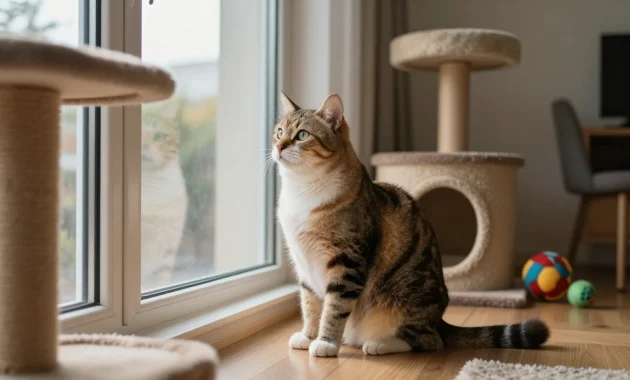
Cats have long carried a reputation as fiercely independent, solitary creatures who indifferent to human absence as long as their food bowls are full. Modern feline behavioral science paints a vastly different picture. Domestic cats form deep emotional attachments to their human caregivers, and changes in household routines or prolonged solitude can trigger profound feelings of loneliness, stress, and separation anxiety.
Recognizing loneliness in felines can be tricky. While a distressed dog might howl or chew through drywall, a lonely cat often expresses distress through subtle behavioral shifts—ranging from increased hiding to house-soiling or compulsive grooming.
This comprehensive guide explores feline attachment psychology with expert veterinary insights, details the primary clinical signs of loneliness, and provides actionable home enrichment strategies to ensure your cat thrives when left alone.
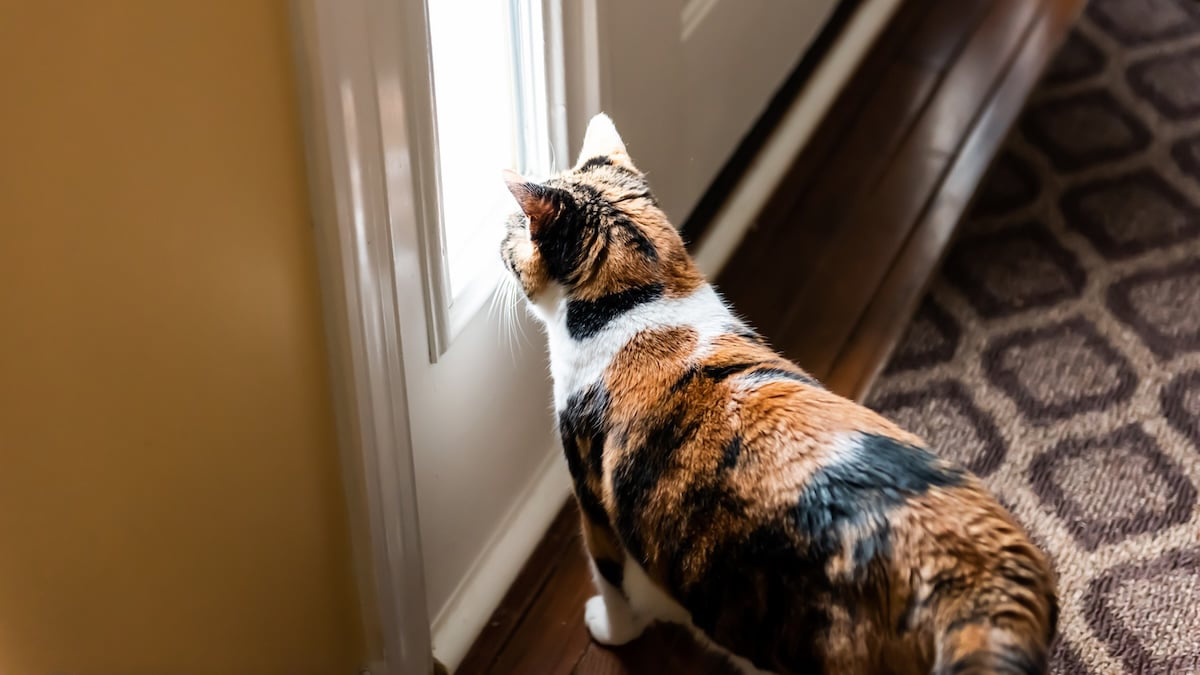
- The Science of Feline Attachment and Solitude
- Recognizing the Signs of Feline Loneliness
- Comprehensive Strategies to Support a Lonely Cat
- Summary Protocol: Daily Solitude Checklist
- FAQ
- 1. Do cats really get lonely when left alone?
- 2. How can I tell if my cat is lonely?
- 3. Can indoor cats become lonely more easily than outdoor cats?
- 4. How long can a cat safely stay home alone?
- 5. Why does my cat meow excessively after I return home?
- 6. Is getting a second cat the best solution for loneliness?
- 7. What toys help reduce loneliness?
- 8. How can I keep my cat entertained while I'm at work?
- 9. Can loneliness cause health problems in cats?
- 10. What is separation anxiety in cats?
- 11. Does leaving the TV or radio on help?
- 12. What is the best daily routine for preventing loneliness?
The Science of Feline Attachment and Solitude
For years, pet owners assumed cats lacked the social attachment mechanisms seen in dogs. However, behavioral studies demonstrate that cats display distinct attachment styles toward their primary caregivers.
Feline Attachment Spectrum & Solitude Response:
┌─────────────────────────────────────────────────────────────┐
│ SECURE ATTACHMENT                                           │
│ ── Greet owners warmly upon return                          │
│ ── Confidently explore environment during owner absence     │
│ ── Low risk for severe separation anxiety                   │
└──────────────────────────────┬──────────────────────────────┘
                               │
                               ▼
┌─────────────────────────────────────────────────────────────┐
│ INSECURE / ANXIOUS ATTACHMENT                               │
│ ── Overly demanding or clingy behaviors upon return         │
│ ── Extreme hiding or avoidance during routine disruptions   │
│ ── High susceptibility to stress-induced behavioral issues  │
└──────────────────────────────┘
Routine Disruptions and Behavioral Triggers
Even cats with generally secure personalities can suffer when faced with sudden shifts in their daily schedule. Common triggers for feline loneliness include:
Transitioning from remote work to full-time office schedules.
Frequent business travel or extended weekend trips.
Shifts in household dynamics (e.g., family members moving out).
Loss of a companion pet or household member.
When a cat's predictable daily schedule breaks down, their sense of security suffers, leading to stress-induced behaviors.
Recognizing the Signs of Feline Loneliness
According to veterinary experts like Dr. Michael McCallion, loneliness in felines frequently manifests as high-stress and anxious behaviors. Because cats naturally mask vulnerability, owners must pay close attention to subtle behavioral changes.
Behavioral Diagnostic Matrix:
├── INTERNALIZING SIGNS ➔ Hiding, reduced appetite, altered sleep patterns.
├── EXTERNALIZING SIGNS ➔ Excessive vocalization, destructive scratching.
└── STRESS-INDUCED SIGNS ➔ Inappropriate elimination, compulsive grooming.
Diagnostic Checklist of Loneliness Indicators
| Behavioral Indicator | Clinical Description | Underlying Behavioral Cause |
| Inappropriate Elimination | Urinating or defecating outside the litter box (often on owner's bed or clothes). | Depositing scent to self-soothe; stress-induced cystitis. |
| Excessive Grooming | Licking skin raw, leading to bald patches (psychogenic alopecia). | Compulsive behavior driven by elevated cortisol levels. |
| Increased Vocalization | Excessive meowing, yowling, or crying near doors/windows. | Calling out to re-establish contact with caregivers. |
| Hyper-Clinginess | Following owners constantly, blocking paths, or crying upon return. | Seeking reassurance after prolonged social isolation. |
| Social Withdrawal | Hiding under furniture or avoiding interaction when owners are home. | Chronic stress causing emotional shut-down. |
| Appetite Loss | Refusing food or eating significantly less while alone. | Anxiety-induced suppression of natural feeding drives. |
Comprehensive Strategies to Support a Lonely Cat
Managing feline loneliness requires a multi-pronged approach focused on environmental enrichment, structured interaction, and tech-assisted monitoring.
Feline Solitude Support Framework:
├── 1. Interactive Play     ➔ Align with crepuscular hunting rhythms (dawn/dusk).
├── 2. Vertical & View Space ➔ Provide perches, cat trees, and window views.
├── 3. Foraging & Toys       ➔ Deploy puzzle feeders and safe solo play items.
└── 4. Comfort Rest Zones    ➔ Create cozy, elevated refuges with familiar scents.
1. Structured One-on-One Interaction
Cats are crepuscular, meaning their natural energy peaks occur around dawn and dusk. Structuring daily play sessions around these physiological windows helps burn excess energy and build confidence.
Recommended Daily Interactive Protocol:
┌─────────────────────────────────────────────────────────────┐
│ MORNING SESSION (10 - 15 Minutes Before Departure)          │
│ ── High-energy play with feather wands or laser toys        │
│ ── Simulates natural morning hunting sequence                │
│ ── Conclude with a meal to trigger natural "groom & sleep"   │
└──────────────────────────────┬──────────────────────────────┘
                               │
                               ▼
┌─────────────────────────────────────────────────────────────┐
│ EVENING SESSION (15 - 20 Minutes After Returning Home)      │
│ ── Interactive play session followed by quiet bonding        │
│ ── Re-establishes security and alleviates daily stress      │
└──────────────────────────────┘
2. Environmental Enrichment & Territory Expansion
An enriched indoor environment turns boring solitude into an engaging space that satisfies natural hunting, climbing, and surveying instincts.
Vertical Territory: Install tall cat trees, wall-mounted climbing shelves, or window perches to allow cats to monitor their environment safely from above.
Foraging & Puzzle Feeders: Instead of leaving food in a standard bowl, hide kibble inside puzzle feeders or treat-dispensing toys to stimulate problem-solving skills and extend feeding time.
Scratching Stations: Place both vertical post scratchers and horizontal cardboard pads near entryways and resting zones.
3. Technology, Companion Pets, and Professional Care
Advanced Solitude Management Options:
├── PET CAMERAS     ➔ Monitor anxiety in real-time; interactive laser/treat features.
├── SECOND CAT      ➔ Beneficial for social cats; requires age & temperament matching.
└── PET SITTERS     ➔ Mandatory for travel; maintains routine & offers daily affection.
Utilizing Pet Technology
Smart pet cameras with two-way audio allow you to check on your cat throughout the day, speak comforting words, or remotely dispense treats to break up long stretches of solitude.
Adopting a Companion Cat
While adding a second cat can provide companionship, Dr. McCallion emphasizes that it is not a universal fix. Success depends heavily on temperament and age matching:
Pair cats of similar ages and energy levels.
Avoid introducing energetic kittens to senior cats, as this often increases stress rather than relieving loneliness.
Hiring Professional Care
For extended work hours or travel, hiring a qualified pet sitter ensures your cat receives fresh water, clean litter, scheduled meals, and critical social interaction without leaving their familiar home environment.
Summary Protocol: Daily Solitude Checklist
| Timeframe | Recommended Action Item | Primary Benefit |
| Before Leaving | 10-minute wand play + feed fresh meal | Stimulates natural hunt-eat-sleep cycle. |
| During Solitude | Open blinds + leave puzzle feeder out | Provides visual stimulation and cognitive engagement. |
| Upon Returning | Dedicated greetings + 15-minute bonding | Re-establishes secure attachment and eases anxiety. |
By recognizing the signs of feline separation distress and proactively enriching your home, you can ensure your cat feels safe, confident, and comfortable—even when you're away.
FAQ
1. Do cats really get lonely when left alone?
Yes. Although cats are often viewed as independent animals, research has shown that many cats form strong emotional bonds with their owners. While some cats cope well with temporary solitude, others experience loneliness or separation-related distress when left alone for extended periods or when household routines suddenly change.
Cats with secure attachments may simply nap while you're away, whereas anxious cats can develop behavioral or stress-related problems if their social and environmental needs are not met.
2. How can I tell if my cat is lonely?
Loneliness often appears through subtle behavioral changes rather than dramatic displays.
Common signs include:
- Excessive meowing or yowling
- Following you constantly when you're home
- Hiding more than usual
- Overgrooming until bald patches appear
- Urinating or defecating outside the litter box
- Loss of appetite
- Sleeping significantly more or less than usual
- Increased destructive scratching
- Reduced interest in toys or play
If these behaviors appear suddenly, consult your veterinarian to rule out underlying medical conditions before assuming loneliness is the cause.
3. Can indoor cats become lonely more easily than outdoor cats?
Indoor cats often depend more heavily on their human caregivers for entertainment, social interaction, and mental stimulation. Without adequate enrichment, they may become bored or lonely more easily.
However, indoor living also protects cats from traffic accidents, predators, infectious diseases, and parasites, making it the safest lifestyle when combined with sufficient environmental enrichment.
4. How long can a cat safely stay home alone?
The answer depends on the cat's age and health.
General recommendations include:
Healthy Adult Cats
- Usually comfortable alone for 8–12 hours.
- Up to 24 hours may be acceptable if fresh food, water, and clean litter are available.
Kittens
- Should not be left alone for long periods.
- Require frequent meals, supervision, and social interaction.
Senior Cats
- Often need daily monitoring due to age-related medical conditions.
Cats with Medical Conditions
- May require medication or regular observation and should not be left alone for extended periods.
For trips longer than one day, arrange for a trusted pet sitter or caregiver.
5. Why does my cat meow excessively after I return home?
Many cats greet their owners enthusiastically after periods of separation.
Excessive vocalization may indicate:
- Excitement
- Relief
- Desire for attention
- Hunger
- Anxiety caused by your absence
If the behavior becomes excessive or is accompanied by other stress-related symptoms, separation distress may be contributing.
6. Is getting a second cat the best solution for loneliness?
Not necessarily.
While some social cats benefit from a feline companion, introducing another cat is not a guaranteed solution.
Success depends on:
- Similar age
- Compatible personalities
- Comparable energy levels
- Proper introduction techniques
Some cats strongly prefer being the only pet and may become more stressed after another cat is introduced.
7. What toys help reduce loneliness?
Interactive enrichment works best.
Recommended toys include:
- Puzzle feeders
- Treat-dispensing balls
- Feather wands (during supervised play)
- Automatic motion toys
- Cat tunnels
- Scratching posts
- Climbing trees
- Window perches
- Food puzzles
- Cardboard boxes
Rotating toys every few days also helps prevent boredom.
8. How can I keep my cat entertained while I'm at work?
Create an enriching daily routine by:
- Playing before leaving home
- Feeding breakfast after play
- Leaving puzzle feeders available
- Opening blinds for window viewing
- Providing climbing structures
- Offering scratching posts
- Rotating toys weekly
- Playing calming background music if appropriate
- Using interactive pet cameras with treat dispensers
These activities help occupy both your cat's mind and body throughout the day.
9. Can loneliness cause health problems in cats?
Yes.
Long-term stress can contribute to:
- Decreased appetite
- Weight loss
- Obesity from boredom eating
- Stress-related cystitis
- Overgrooming
- Hair loss
- Digestive upset
- Sleep disturbances
- Reduced immune function
- Behavioral problems
Early intervention helps prevent chronic stress from affecting overall health.
10. What is separation anxiety in cats?
Feline separation anxiety is a behavioral condition in which a cat becomes distressed whenever their preferred person leaves.
Common symptoms include:
- Persistent crying
- Destructive scratching
- Inappropriate elimination
- Excessive grooming
- Restlessness
- Refusing food while alone
- Following owners constantly before departure
Veterinarians may recommend environmental enrichment, behavioral modification, pheromone therapy, or medication for severe cases.
11. Does leaving the TV or radio on help?
For some cats, familiar background sounds may reduce feelings of isolation.
Soft television programs, classical music, or nature sounds can create a more comfortable environment, especially for cats already accustomed to household noise.
However, sound alone should never replace interactive enrichment and quality daily interaction.
12. What is the best daily routine for preventing loneliness?
A predictable schedule helps cats feel secure.
A balanced routine includes:
Morning
- Interactive play (10–15 minutes)
- Breakfast immediately afterward
During the Day
- Puzzle feeders
- Window access
- Climbing opportunities
- Comfortable sleeping areas
Evening
- Greeting and affection
- Interactive play (15–20 minutes)
- Dinner
- Quiet bonding time
Consistency helps reduce anxiety and strengthens your cat's sense of security.