The Complete Guide to Plant Ingredients in Cat Food: Balancing Feline Biology with Modern Pet Nutrition
1 week ago
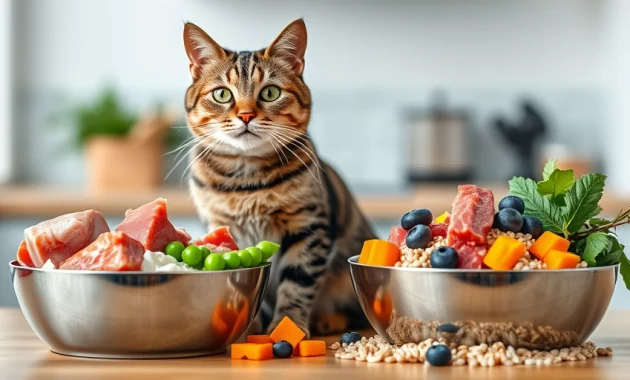
If you pick up a bag of premium dry cat food and scan the ingredient list, you will likely see deboned chicken or salmon at the very top. But as your eyes move down the label, a different story unfolds: peas, brown rice, potato starch, corn gluten meal, cranberries, and flaxseed.
For many conscientious cat parents, this creates an immediate dietary paradox. We are constantly reminded that cats are obligate carnivores—hunters biologically wired to thrive on animal meat. Why, then, are modern commercial cat foods so heavily supplemented with plant-derived ingredients?
Are these grains, legumes, and vegetables inexpensive fillers designed to pad manufacturers' profit margins, or do they serve a legitimate, functional purpose in your cat’s digestive health?
The truth lies in a nuanced intersection of feline evolutionary biology, food chemistry, and modern manufacturing mechanics. This guide demystifies the role of plant ingredients in cat food, breaking down what your cat biologically requires, why plants are used, and how to evaluate product labels like a feline nutritionist.
- The Biology of the Obligate Carnivore
- Why Put Plants in Cat Food? The Functional Science
- The Pros and Cons: A Transparent Breakdown
- How to Evaluate a Cat Food Label Like a Pro
- Conclusion: Nuance Over Dogma
- Frequently Asked Questions (FAQ)
- 1. Are plant ingredients bad for cats?
- 2. If cats are obligate carnivores, why do commercial cat foods contain vegetables and grains?
- 3. Can cats digest carbohydrates?
- 4. Do cats need grains in their diet?
- 5. Is grain-free cat food healthier?
- 6. Which nutrients absolutely must come from animal sources?
- 7. Are vegetables just cheap fillers?
- 8. What is ingredient splitting?
- 9. How can I tell if a cat food contains enough animal protein?
- 10. Is chicken meal worse than fresh chicken?
- 11. What role does fiber play in a cat's diet?
- 12. Should I choose wet food or dry food?
- 13. What does the AAFCO statement mean?
- 14. Are synthetic taurine and vitamins bad?
- 15. What should I look for when buying cat food?
The Biology of the Obligate Carnivore
To evaluate what goes into cat food, we must first understand the unique evolutionary architecture of the feline digestive system.
Dietary Classification & Digestive Architecture:
┌─────────────────────────────────────────────────────────────┐
│                 Omnivore (Human / Dog)                      │
│  - Amylase in saliva begins carbohydrate breakdown in mouth │
│  - Longer GI tract allows fermentation of complex plant fibers│
│  - Can synthesize Vitamin A, Taurine, & Arachidonic Acid    │
└─────────────────────────────────────────────────────────────┘
┌─────────────────────────────────────────────────────────────┐
│                 Obligate Carnivore (Cat)                    │
│  - Zero salivary amylase (carbs are processed later in gut) │
│  - Short, highly acidic GI tract optimized for protein/fat  │
│  - Cannot synthesize key amino & fatty acids from plant precursors│
└─────────────────────────────────────────────────────────────┘
1. What "Obligate Carnivore" Actually Means
Calling a cat an obligate carnivore is not a statement about dietary preference; it is a statement of biological dependency. While omnivores (like humans and dogs) can thrive on a flexible mix of plant and animal matter, cats have undergone genetic adaptations over millennia that stripped away their ability to synthesize certain essential nutrients from plant precursors.
Because their natural prey (mice, birds, and small rodents) provided an abundance of these specific compounds, feline physiology efficiently discarded the metabolic pathways required to manufacture them from scratch. In simple terms: if a cat does not consume these specific nutrients directly from animal tissue, their bodily functions begin to shut down.
2. The Non-Negotiable Animal Nutrients
When evaluating plant vs. animal ingredients, these are the critical nutrients that plants either lack entirely or provide in forms cats cannot efficiently utilize:
Taurine: An essential amino acid required for normal vision, cardiac muscle function, digestion, and reproduction. While humans and dogs can synthesize taurine from other amino acids, cats cannot. A deficiency leads to feline central retinal degeneration (permanent blindness) and dilated cardiomyopathy (heart failure). No plant or vegetable provides sufficient bioavailable taurine.
Arachidonic Acid: An essential omega-6 fatty acid responsible for inflammatory responses, blood clotting, and skin health. Dogs can convert linoleic acid (found in plant oils) into arachidonic acid; cats lack the enzyme required to make this conversion and must source it directly from animal fat.
Preformed Vitamin A (Retinol): Humans and dogs easily convert plant beta-carotene (the compound that makes carrots orange) into active Vitamin A. Cats lack the necessary intestinal enzyme for this conversion and must ingest preformed retinol found only in animal liver and tissue.
Vitamin B12 (Cobalamin) & Arginine: Critical for nervous system maintenance and ammonia detoxification. Both must be consistently supplied through animal-sourced protein.
Why Put Plants in Cat Food? The Functional Science
If cats require animal tissue to meet their core nutritional baselines, why do pet food formulators include grains, legumes, and vegetables? The answer goes far beyond mere cost-cutting.
The Functional Roles of Plant Ingredients:
├── Structural Mechanics ➔ Starch gelatinizes during extrusion to form dry kibble
├── Digestive Health     ➔ Soluble & insoluble fiber regulate gut motility & hairballs
├── Energy Density       ➔ Highly digestible carbs provide quick, clean metabolic energy
└── Therapeutic Utility  ➔ Plant proteins provide hypoallergenic alternatives for elimination diets
1. Structural Mechanics: The Physics of Kibble
The most immediate reason for plant inclusion in dry cat food is manufacturing physics. Dry kibble is produced through a process called extrusion, where ingredients are mixed into a dough, heated under immense pressure, and pushed through a die to form individual bite-sized pieces.
For kibble to expand, hold its shape, and resist crumbling into dust during shipping, it requires a structural binder. Starch is that binder. Without carbohydrates from sources like rice, peas, potatoes, or cassava, it is physically impossible to manufacture traditional extruded dry cat food.
2. Dietary Fiber and Gut Microbiome Support
In the wild, a cat consumes the entire prey animal—including fur, bone, tendons, and the partially digested plant matter inside the prey's stomach. These components act as natural indigestible fiber. In commercial diets, plant fibers step in to fulfill this essential digestive role:
Insoluble Fiber (e.g., Cellulose, Rice Bran): Adds physical bulk to the stool, stimulates intestinal peristalsis (gut movement), and helps physically sweep ingested hair through the digestive tract to prevent hairballs.
Soluble & Prebiotic Fiber (e.g., Pumpkin, Beet Pulp, Chicory Root): Ferments in the large intestine to feed beneficial gut bacteria, producing short-chain fatty acids (SCFAs) that nourish the intestinal lining and suppress pathogenic bacteria.
3. Nutrient Fortification and Stability
While animal proteins provide the heavy lifting, certain plant ingredients are nutritional powerhouses. Antioxidant-rich cranberries, blueberries, and spinach are frequently added to help combat cellular oxidative stress and support lower urinary tract health. Furthermore, plant-derived vitamins and minerals help reduce a manufacturer's reliance on purely synthetic chemical vitamin premixes.
The Pros and Cons: A Transparent Breakdown
To make informed choices, pet parents must weigh the functional benefits of plant ingredients against their potential dietary drawbacks.
The Advantages (The Pros)
High Carbohydrate Digestibility: While raw, uncooked starch is virtually indigestible to cats, the high-heat extrusion process used in modern cat food alters the molecular structure of starch (a process called gelatinization). Clinical studies demonstrate that healthy adult cats can digest and absorb gelatinized carbohydrates with over 93% efficiency.
Weight Management and Satiety: Plant fibers allow formulators to create lower-calorie, high-bulk diets for indoor or sedentary cats. This helps overweight cats feel full and satisfied without overconsuming calories.
Hypoallergenic Alternatives: For cats suffering from severe food allergies to common animal proteins (like beef, chicken, or dairy), hydrolyzed plant proteins or novel legume starches provide a life-saving, non-reactive nutrition base.
The Drawbacks (The Cons)
Lower Biological Value: Plant proteins (such as corn gluten meal or pea protein) do not contain the complete spectrum of amino acids a cat needs in the correct ratios. While they boost the total protein percentage on the Guaranteed Analysis label, their biological bioavailability is inferior to egg, poultry, or fish protein.
Carbohydrate Displacement: There is a finite amount of space in any recipe. When a formula relies too heavily on carbohydrates and plant proteins, those ingredients inevitably displace high-quality animal meats, forcing the manufacturer to rely heavily on synthetic amino acid supplements (like added crystalline taurine and DL-methionine) to meet basic baseline standards.
The Legume and DCM Controversy: In recent years, veterinary cardiologists have investigated a potential link between grain-free diets—specifically those relying heavily on peas, lentils, chickpeas, and potatoes—and Dilated Cardiomyopathy (DCM) in dogs. While the link is much less documented in cats, many feline nutritionists advise against feeding diets where legumes make up the majority of the protein profile.
How to Evaluate a Cat Food Label Like a Pro
Understanding the science is only half the battle; applying it in the pet food aisle is where you protect your cat's long-term health. Use this four-step framework to look past marketing claims and evaluate the actual nutritional architecture of any formula.
Label Evaluation Workflow:
├── Step 1 ➔ Check AAFCO Statement (Ensure appropriate life-stage formulation)
├── Step 2 ➔ Convert to Dry Matter Basis (Level the playing field between wet & dry)
├── Step 3 ➔ Audit the Top 5 Ingredients (Watch for "Ingredient Splitting")
└── Step 4 ➔ Look Beyond Minimums (Review company quality control & feeding trials)
Step 1: Verify the AAFCO Statement of Nutritional Adequacy
Never rely on front-of-bag marketing terms like "holistic," "ancestral," or "premium." Turn the bag over and find the Association of American Feed Control Officials (AAFCO) statement. Look for one of two distinctions:
"...formulated to meet the nutritional levels established by the AAFCO Cat Food Nutrient Profiles for [Maintenance / Growth / All Life Stages]."
"...animal feeding tests using AAFCO procedures substantiate that [Product Name] provides complete and balanced nutrition for [Life Stage]." (Feeding trials are generally considered the gold standard, as they prove the food is actively digested and utilized by real cats).
Step 2: Convert to a Dry Matter Basis (DMB)
You cannot accurately compare the protein or carbohydrate levels of a dry kibble (which contains ~10% moisture) to a wet canned food (which contains ~80% moisture) using the standard Guaranteed Analysis. You must strip away the water weight using this simple formula:
Example Scenario:
Dry Food: Lists 35% Protein, 10% Moisture.
$$\frac{35}{100 - 10} \times 100 = \mathbf{38.8\% \text{ Dry Matter Protein}}$$Wet Food: Lists 10% Protein, 80% Moisture.
$$\frac{10}{100 - 80} \times 100 = \mathbf{50.0\% \text{ Dry Matter Protein}}$$Result: The wet food actually delivers significantly more protein per gram of dry nutrients than the kibble, despite how the raw label numbers initially appear.
Step 3: Spot "Ingredient Splitting" in the Top 5 Ingredients
Ingredients are listed on the pet food label in descending order by weight before cooking. A high-quality formula should feature named animal proteins (e.g., "Deboned Turkey," "Chicken Meal," or "Salmon") in at least two or three of the first five spots.
However, watch out for ingredient splitting—a deceptive manufacturing tactic where a single plant ingredient is broken down into multiple smaller sub-components so it drops further down the ingredient list, making animal meat appear higher up.
Example of Deceptive Ingredient Splitting:
├── 1. Deboned Chicken (Heavy due to water weight before cooking)
├── 2. Ground Yellow Corn   ┐
├── 3. Corn Gluten Meal     ├─ Combined, CORN is actually the #1 primary ingredient!
└── 4. Corn Flour           ┘
If you see multiple variations of peas, corn, rice, or soy within the top ten ingredients, plant matter is likely the dominant nutritional foundation of that food.
Step 4: Assess Protein Quality Over Quantity
A label might boast an impressive 40% crude protein, but if that protein is primarily derived from pea protein isolate and corn gluten meal, your cat will not absorb it as efficiently as a 35% protein formula derived entirely from poultry and fish. Check the lower half of the ingredient list: if you see a massive string of added synthetic amino acids (like synthetic L-lysine, DL-methionine, L-carnitine, and Taurine), it is often a clue that the foundational ingredients lacked sufficient bioavailable animal protein to begin with.
Conclusion: Nuance Over Dogma
Plant ingredients in cat food are neither magic fillers nor toxic poisons. When used thoughtfully, ingredients like pumpkin, beet pulp, cranberries, and rice provide critical structural integrity for kibble, essential prebiotic fiber for gut health, and clean metabolic energy.
The goal of the modern cat parent is not to avoid plants entirely, but to ensure that animal protein remains the undisputed foundation of the bowl. By checking AAFCO statements, calculating dry matter percentages, and keeping an eye out for ingredient splitting, you can navigate the pet food aisle with confidence, ensuring your feline companion receives a biologically balanced diet built for a long, vibrant life.
Quick Reference: Animal vs. Plant Contributions in Feline Diets
| Dietary Component | Primary Animal Source | Primary Plant Source | Feline Biological Utility |
| Protein & Amino Acids | Chicken, Turkey, Salmon, Beef | Pea Protein, Corn Gluten, Soy | Animal is Superior. Provides complete, highly bioavailable amino acid profiles including essential Taurine. |
| Fat & Essential Fatty Acids | Chicken Fat, Fish Oil, Chicken Liver | Flaxseed, Canola Oil, Sunflower Oil | Animal is Mandatory. Cats cannot convert plant ALA/LA oils into essential Arachidonic Acid or DHA/EPA efficiently. |
| Dietary Fiber | Bone, Cartilage, Fur (in raw/prey diets) | Beet Pulp, Pumpkin, Cellulose, Chicory Root | Plant is Highly Effective. Safe, scalable, and exceptional for regulating gut motility and feeding beneficial microflora. |
| Vitamins & Minerals | Organ Meats (Liver, Kidney, Heart) | Cranberries, Blueberries, Spinach, Kelp | Shared Utility. Plants provide excellent antioxidants and vitamin diversity, though Vitamin A must be animal-derived Retinol. |
| Carbohydrates & Starch | None (Prey contains negligible carbs) | Brown Rice, Sweet Potato, Peas, Cassava | Functional Utility. Unnecessary in biology, but structurally mandatory for kibble manufacturing and highly digestible when cooked. |
Frequently Asked Questions (FAQ)
1. Are plant ingredients bad for cats?
Not necessarily. Plant ingredients are not inherently harmful to cats when used appropriately. While cats are obligate carnivores and require animal-derived nutrients to survive, certain plant ingredients provide valuable dietary fiber, antioxidants, vitamins, and structural support for dry kibble manufacturing. The key is ensuring that animal protein remains the primary ingredient in the diet.
2. If cats are obligate carnivores, why do commercial cat foods contain vegetables and grains?
Commercial cat foods include plant ingredients for several important reasons:
- To provide dietary fiber that supports digestion and helps reduce hairballs.
- To create the proper texture and structure for dry kibble through starch gelatinization during extrusion.
- To supply antioxidants, vitamins, and minerals.
- To provide digestible energy from cooked carbohydrates.
- To support specialized therapeutic diets for cats with food sensitivities.
Plants are used as supporting ingredients—not as replacements for animal protein.
3. Can cats digest carbohydrates?
Yes.
Although cats have no nutritional requirement for carbohydrates, they can efficiently digest cooked carbohydrates. During kibble production, starches undergo gelatinization, making them highly digestible.
Studies have shown healthy adult cats can digest properly cooked carbohydrates at rates exceeding 90%.
However, carbohydrates should not replace high-quality animal protein.
4. Do cats need grains in their diet?
No.
Cats have no biological requirement for grains such as wheat, corn, barley, or rice.
However, grains are not automatically unhealthy. Many healthy cats digest grains without any issues.
Grains primarily serve as:
- Energy sources
- Fiber sources
- Structural binders in dry food
Unless your veterinarian has diagnosed a grain allergy, there is generally no medical reason to avoid grains.
5. Is grain-free cat food healthier?
Not necessarily.
"Grain-free" is largely a marketing term.
Many grain-free diets simply replace grains with:
- Peas
- Lentils
- Chickpeas
- Potatoes
- Tapioca
These ingredients still provide carbohydrates.
What matters most is:
- High-quality animal protein
- Balanced nutrition
- AAFCO nutritional adequacy
- Manufacturer quality control
A grain-free label alone does not guarantee better nutrition.
6. Which nutrients absolutely must come from animal sources?
Cats require several nutrients that plants cannot adequately provide.
These include:
- Taurine
- Arachidonic acid
- Preformed Vitamin A (Retinol)
- Vitamin B12
- Arginine
- EPA and DHA omega-3 fatty acids
Deficiencies in these nutrients can lead to serious health problems, including blindness, heart disease, neurological disorders, and reproductive issues.
7. Are vegetables just cheap fillers?
No—not when used correctly.
Quality vegetables contribute:
- Soluble fiber
- Insoluble fiber
- Natural antioxidants
- Vitamins
- Minerals
- Prebiotics
Examples include:
- Pumpkin
- Spinach
- Blueberries
- Cranberries
- Beet pulp
- Chicory root
Poor-quality foods become problematic only when plant ingredients replace significant amounts of animal protein.
8. What is ingredient splitting?
Ingredient splitting is a labeling technique where one ingredient is divided into multiple smaller ingredients.
For example:
- Pea Protein
- Pea Fiber
- Pea Starch
Individually, each ingredient appears lower on the ingredient list.
Combined, however, peas may actually outweigh the meat ingredients.
This can make a food appear more meat-based than it truly is.
9. How can I tell if a cat food contains enough animal protein?
Look for:
- Named meat ingredients in the first several positions.
- Animal meals such as Chicken Meal or Turkey Meal.
- Fish or poultry listed before plant proteins.
Avoid foods where the top ingredients are primarily:
- Corn
- Wheat
- Soy
- Peas
- Potato protein
- Gluten meals
Animal protein should clearly dominate the recipe.
10. Is chicken meal worse than fresh chicken?
No.
Chicken meal is often an excellent ingredient.
Fresh chicken contains approximately 70–75% water.
Chicken meal has already had the moisture removed, making it a concentrated protein source.
High-quality chicken meal may actually contribute more usable protein than fresh chicken listed first on the ingredient panel.
11. What role does fiber play in a cat's diet?
Fiber supports:
- Hairball control
- Healthy bowel movements
- Gut microbiome balance
- Stool quality
- Satiety for weight management
Cats require relatively small amounts of fiber compared to humans or dogs, but appropriate fiber sources can significantly improve digestive health.
12. Should I choose wet food or dry food?
Both have advantages.
Wet food benefits:
- Higher moisture content
- Better hydration
- Higher protein concentration on a dry matter basis
- Lower carbohydrate levels
Dry food benefits:
- More convenient
- Longer shelf life
- Easier portion control
- Often more economical
Many veterinarians recommend feeding a combination of wet and dry food for healthy adult cats.
13. What does the AAFCO statement mean?
The AAFCO statement indicates the food meets recognized nutritional standards.
Look for wording such as:
"Complete and balanced for maintenance."
or
"Complete and balanced for all life stages."
Even better is a food that has completed AAFCO feeding trials, demonstrating real-world nutritional performance.
14. Are synthetic taurine and vitamins bad?
No.
Most commercial cat foods supplement essential nutrients with purified vitamins and amino acids.
This ensures every batch consistently meets nutritional requirements.
Supplementation becomes concerning only when it is heavily relied upon to compensate for poor-quality base ingredients.
15. What should I look for when buying cat food?
Prioritize foods that offer:
- Named animal proteins as primary ingredients.
- Complete and balanced AAFCO certification.
- High animal protein content.
- Moderate fat levels.
- Appropriate fiber.
- Transparent ingredient sourcing.
- Reputable manufacturer quality control.
- Minimal ingredient splitting.
Ignore marketing buzzwords and focus on nutritional quality.