The Physiology of Feline Macronutrient Processing: A Clinical Review of Carbohydrate Digestibility, Metabolic Adaptations, and Dietary Applications
2 months ago
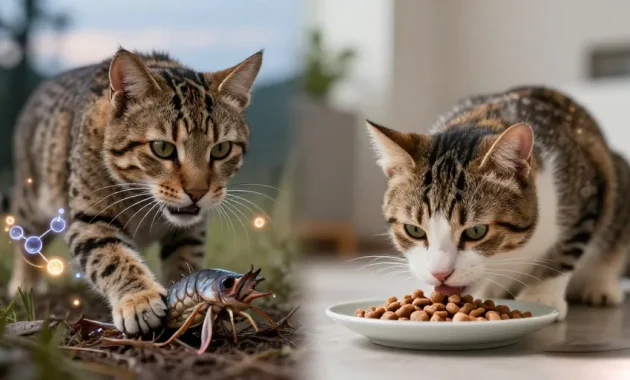
In veterinary clinical nutrition, few topics spark as much debate as the role of carbohydrates in the diet of the domestic cat (Felis catus). Because cats are taxonomically and physiologically classified as obligate carnivores, their evolutionary history is deeply rooted in a predatory lifestyle. The diet of their wild ancestors—consisting almost entirely of small rodents, birds, and insects—was high in protein, moderate in fat, and contained less than 10% carbohydrates on a dry matter basis.
This evolutionary blueprint has created a widespread narrative within pet industry spaces that domestic cats are metabolically incapable of processing carbohydrates, and that their inclusion in commercial diets acts as a direct catalyst for metabolic disease.
However, comparative gastrointestinal physiology painting a different picture. While the cat lacks the specific metabolic pathways used by omnivores and herbivores, it possesses highly effective, alternative enzymatic adaptations that allow it to digest starches and utilize glucose with high efficiency.
This human-authored clinical review breaks down the mechanics of feline carbohydrate metabolism. We will analyze the specific enzymatic adaptations that allow cats to process starches, evaluate the clinical benefits of digestible and indigestible carbohydrates, and dismantle the common myths linking dietary starch to feline obesity and diabetes.
Enzymatic Pathways & Metabolic Adaptations
The argument that cats cannot utilize carbohydrates is typically built on three physiological facts: cats lack salivary amylase, they exhibit low levels of pancreatic and intestinal amylase, and their livers lack the high-capacity enzyme glucokinase. While these anatomical traits are real, they do not tell the whole story. Felines compensate for these absences by upregulating alternative, highly effective pathways throughout their digestive system.
                  FELINE GLUCOSE PHOSPHORYLATION RADAR
 ┌───────────────────────────────────────────────────────────────────────┐
 │ GLUCOKINASE PATHWAY  ──► Absent/Non-functional in feline liver.        │
 ├───────────────────────────────────────────────────────────────────────┤
 │ HEXOKINASE PATHWAY   ──► Highly active; maintains continuous, steady │
 │                          low-Km glucose clearance from portal blood.  │
 └───────────────────────────────────────────────────────────────────────┘
1. Intestinal Luminal Digestion
While a cat's saliva contains zero amylase (meaning starch digestion does not begin in the mouth), the feline pancreas and small intestine actively secrete amylase and disaccharidases (such as maltase and isomaltase).
Crucially, commercial cat foods do not feature raw, complex starches. The extrusion process used to manufacture kibble, as well as the thermal processing of canning, cooks and grinds these carbohydrates. This heat-induced gelatinization breaks the crystalline structure of the starch molecules, allowing the cat’s internal amylase to easily break down the food. Clinical digestibility trials demonstrate that cooked, processed starches achieve an overall digestibility rate exceeding 93% in healthy domestic cats.
2. Hepatic Enzyme Shunting
In omnivores like dogs and humans, a high surge of dietary glucose entering the liver from the portal vein is rapidly processed by glucokinase, a high-capacity, high-cholesterol enzyme. The feline liver lacks functional glucokinase activity. Instead, the cat relies entirely on hexokinase.
                  PORTAL GLUCOSE CLEARANCE PATHWAYS
  [ Portal Glucose Surge ] ───► [ Glucokinase (Omnivores) ] ───► Rapid High-Volume Storage
                           └───► [ Hexokinase (Felines) ]    ───► Continuous Steady Processing
Hexokinase operates continuously at a lower maximum velocity but with a much higher affinity for glucose ($K_m$ value). This allows the feline liver to safely and steadily clear glucose from the bloodstream, avoiding sudden metabolic spikes. As a result, cats comfortably absorb and utilize glucose in a manner similar to other mammalian species.
- 1. Are cats biologically able to digest carbohydrates?
- 2. Do cats naturally eat carbohydrates in the wild?
- 3. Why do people say cats cannot process carbs?
- 4. Are carbohydrates harmful to cats?
- 5. Can carbohydrates cause diabetes in cats?
- 6. What is the protein-sparing effect in cats?
- 7. What role does fiber play in feline diets?
- 8. How much carbohydrate is safe in cat food?
- 9. Should diabetic cats avoid carbohydrates completely?
- 10. What is more important than carbohydrate content in cat nutrition?
The Therapeutics of Carbohydrates—Energy and the "Protein-Sparing Effect"
Digestible carbohydrates are broken down into glucose, which serves as the primary energy source for cellular function, particularly within the central nervous system and brain tissue. While it is true that cats can manufacture 100% of their required blood glucose from amino acids via continuous hepatic gluconeogenesis, utilizing dietary carbohydrates offers a powerful therapeutic advantage known as the protein-sparing effect.
                     THE PROTEIN-SPARING EFFECT LOOP
  [ High-Carbohydrate Diet Intake ] ──► Sustains baseline cellular glucose needs
                                       │
                                       ▼
  [ Dietary Amino Acids Spared ]    ──► Diverted from energy combustion to structural roles
                                       │
                                       ▼
  [ Tissue Optimization ]           ──► Enhanced muscle retention, coat vigor, and cell repair
When a cat is fed a diet containing balanced, highly digestible carbohydrates, its metabolism shifts to use glucose as its primary fuel source. This shifts the burden away from proteins. Instead of being broken down and burned as basic fuel, dietary amino acids are spared and redirected toward critical biological functions:
Building and maintaining skeletal muscle mass.
Synthesizing structural proteins for cellular repair and immune function.
Supporting healthy skin turnover and hair coat production.
Indigestible Carbohydrates—The Functional Fiber Matrix
While digestible carbohydrates supply direct metabolic energy, indigestible carbohydrates (dietary fiber) provide vital physical and biochemical support within the lower gastrointestinal tract. Fiber passes through the small intestine untouched, entering the colon to perform several critical functions.
                      THE DIETARY FIBER FUNCTIONAL ARCHITECTURE
                                          │
         ┌────────────────────────────────┴────────────────────────────────┐
         ▼                                                                 ▼
   [ Soluble / Prebiotic Fiber ]                                    [ Insoluble Fiber ]
   (e.g., Beet Pulp, Inulin, Pectin)                              (e.g., Cellulose)
   • Feeds beneficial probiotic bacteria.                         • Adds calorie-free physical bulk.
   • Generates short-chain fatty acids (SCFAs).                   • Speeds up peristaltic movement.
   • Lowers luminal pH to deter pathogens.                        • Sweeps swallowed hair out of gut.
1. Microbiome Optimization via Prebiotics
Soluble fibers, such as beet pulp and inulin, act as high-value prebiotics. They serve as a primary food source for beneficial gut bacteria, including Bifidobacterium and Lactobacillus.
As these bacteria ferment the fiber, they produce short-chain fatty acids (SCFAs), primarily acetate, propionate, and butyrate. These SCFAs lower the pH of the colon, creating an unwelcome environment for harmful pathogens like Clostridium and Salmonella, while providing direct energy to the mucosal cells lining the colon.
2. Regulating Gastrointestinal Motility
Dietary fiber acts as a natural regulator for stool consistency. In cases of diarrhea, soluble fiber absorbs excess water to firm up the stool. Conversely, in cases of constipation, insoluble fiber draws moisture into the bowel and adds necessary bulk. This stimulates regular peristaltic contractions, ensuring waste moves through the intestinal tract at a healthy, consistent rate.
3. Clinical Weight and Hairball Management
Obesity Control: Highly insoluble fibers, such as cellulose, add calorie-free bulk to a diet. This physical expansion stretches the stomach lining, triggering satiety signals that make overweight cats feel full while consuming fewer overall calories.
Hairball Reduction: Increased levels of insoluble fiber help sweep swallowed hair through the stomach and into the intestinal tract. This allows the hair to pass safely into the feces, reducing the frequency of gastric hairball regurgitation.
Deconstructing Metabolic Myths—Obesity and Diabetes
Two major concerns often raised regarding carbohydrates are their supposed roles in driving feline obesity and type II diabetes mellitus. Let's look at what the clinical data actually shows.
Clinical Application Guidelines for Veterinarians
While healthy cats process carbohydrates smoothly, their dietary levels must be tailored to their specific life stage and clinical needs.
                  CLINICAL MACRONUTRIENT RANGES (AAFCO)
  ┌────────────────────────────────────────────────────────────────────────┐
  │ PROTEIN (Growth/Adult)  ──► 26% - 30% Metabolizable Energy (ME) Min    │
  ├────────────────────────────────────────────────────────────────────────┤
  │ FAT (Baseline Minimum)  ──► 9% Metabolizable Energy (ME) Minimum       │
  ├────────────────────────────────────────────────────────────────────────┤
  │ CARBS (Healthy Target)  ──► 0% - 45% ME (Average commercial: ~25% ME)  │
  └────────────────────────────────────────────────────────────────────────┘
1. The Healthy Baseline
Because the American Association of Feed Control Officials (AAFCO) does not establish a minimum requirement for carbohydrates, a diet can technically feature a 0% carbohydrate profile. However, in standard, nutritionally complete commercial diets, carbohydrates safely average around 25% of the total Metabolizable Energy (ME), rarely exceeding a maximum threshold of 45% ME.
2. The Diabetic Exception
While carbohydrates do not cause diabetes in a healthy cat, managing a cat that has already developed diabetes requires a different strategy.
                  THE DIABETIC NUTRITIONAL PROTOCOL
  [ Established Type II Diabetes ] ───► Implement Low-Carb / High-Protein Diet
                                        │
                                        ▼
  [ Clinical Result ]              ───► Minimizes post-meal glucose spikes,
                                        stabilizes insulin needs, and boosts
                                        the chances of clinical remission.
Diabetic cats have an impaired ability to process glucose surges. According to the International Society of Feline Medicine (ISFM) guidelines, switching a diabetic cat to a low-carbohydrate, high-protein diet significantly reduces post-meal blood sugar spikes, stabilizes external insulin needs, and substantially increases the probability of achieving clinical remission.
Conclusion: Emphasizing Portion Control Over Macro Sorting
From a physiological perspective, the domestic cat is fully capable of digesting, absorbing, and utilizing carbohydrates when they are properly cooked and processed. Far from being a toxic filler, carbohydrates provide a highly digestible energy source that protects vital proteins, while functional fiber actively maintains lower gastrointestinal health.
When evaluating a patient's or pet's risk for chronic metabolic disease, clinical focus should shift away from carbohydrate percentages and center squarely on total daily caloric intake. Overfeeding is the primary driver of feline obesity and its related health complications. Ensuring precise portion control and matching the food to the cat's specific life stage remain our most effective tools for protecting long-term feline health.
FAQ – Feline Carbohydrate Metabolism and Nutrition
1. Are cats biologically able to digest carbohydrates?
Yes. Although cats are obligate carnivores, they possess functional pancreatic and intestinal enzymes (such as amylase, maltase, and isomaltase) that allow them to digest cooked and processed carbohydrates efficiently.
2. Do cats naturally eat carbohydrates in the wild?
In their natural prey-based diet (rodents, birds, insects), cats consume very low carbohydrate levels (typically under 10% on a dry matter basis). However, this does not mean they cannot metabolize carbohydrates.
3. Why do people say cats cannot process carbs?
This belief comes from the fact that cats lack salivary amylase and have lower glucokinase activity in the liver. However, they compensate with alternative enzymatic pathways such as hexokinase-based glucose processing.
4. Are carbohydrates harmful to cats?
No, carbohydrates are not inherently harmful when properly cooked and included in balanced commercial diets. The main health risk comes from overfeeding and excess calorie intake, not carbohydrate presence alone.
5. Can carbohydrates cause diabetes in cats?
Current veterinary evidence shows that carbohydrates do not directly cause diabetes. Feline diabetes is primarily linked to obesity, inactivity, and chronic overnutrition rather than carbohydrate consumption alone.
6. What is the protein-sparing effect in cats?
The protein-sparing effect refers to carbohydrates providing energy so dietary protein is used for essential functions like muscle maintenance, tissue repair, and immune support instead of being burned for energy.
7. What role does fiber play in feline diets?
Fiber supports gut health by regulating digestion, improving stool consistency, feeding beneficial gut bacteria (prebiotics), and helping control hairballs and body weight.
8. How much carbohydrate is safe in cat food?
Commercial cat foods typically contain around 20–45% carbohydrates on a metabolizable energy basis, which is considered safe for healthy cats.
9. Should diabetic cats avoid carbohydrates completely?
Not necessarily. However, diabetic cats often benefit from a low-carbohydrate, high-protein diet to reduce blood glucose spikes and support insulin stability.
10. What is more important than carbohydrate content in cat nutrition?
Total daily caloric intake and proper portion control are more important than focusing solely on carbohydrate percentage. Overfeeding is the primary driver of obesity-related diseases in cats.