
The Complete Guide to Feline Nutritional Transitions: Science, Life Stages, and Clinical Protocols
2 months ago
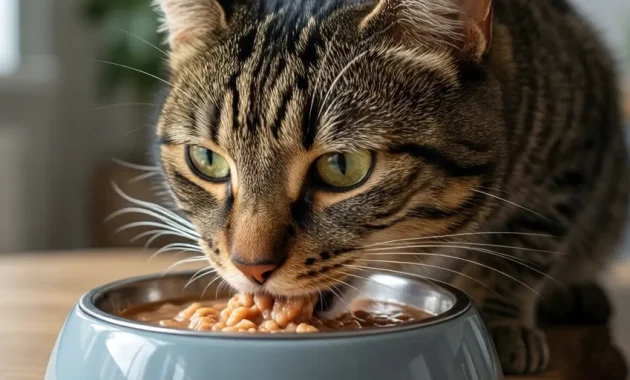
A cat’s digestive system is a highly specialized, sensitive biological machine. In the wild, obligate carnivores eat a remarkably consistent diet, meaning their gastrointestinal (GI) tracts have not evolved to process sudden changes in food types, ingredients, or nutrient ratios.
Frequently switching your cat’s food without a plan disrupts the delicate balance of their gut bacteria, often leading to issues like diarrhea, vomiting, or long-term nutritional deficiencies.
However, a dietary change is not just beneficial—it is medically necessary at several key points in a cat's life. Whether your cat is growing from a kitten into an adult, adjusting to life after a sterilization surgery, dealing with sudden hair loss, or losing interest in their current food, changing their diet requires a careful, structured approach.
This guide breaks down the biological indicators for changing your cat's diet, explores the nutritional needs across different life stages, and outlines the step-by-step transition method recommended by veterinarians to protect your cat's digestive health.
The Anatomy of Feline Digestion: Why Sudden Changes Cause Issues
To understand why sudden dietary changes trigger digestive upset, we have to look at how a cat processes nutrients at a microscopic level.
                   [ The Feline Gastrointestinal Axis ]
                                    │
    +-------------------------------+-------------------------------+
    |                                                               |
[ Gradual Adaptive Shift ]                        [ Sudden Dietary Change ]
    │                                                               │
    ▼                                                               ▼
Enzymes adjust smoothly                            Enzymes are overwhelmed
Stable microbiome balance                         Microbiome balance breaks down
Nutrients absorbed perfectly                      Inflammation, vomiting, diarrhea
The Role of Specialized Gut Enzymes
Unlike omnivores, cats possess a short, rapid digestive tract designed specifically to break down high-quality animal proteins and fats. Their pancreas and small intestine secrete precise amounts of digestive enzymes based entirely on the composition of the food they eat every day.
When you introduce a new brand or type of food overnight, the gut cannot instantly alter its enzyme production. Undigested proteins and complex fats pass into the colon, drawing excess water into the intestines and triggering rapid-onset diarrhea or stomach cramping.
Microbial Dysbiosis: Protecting the Intestinal Ecosystem
The feline colon is home to billions of beneficial microorganisms that make up the gut microbiome. These bacteria assist with digestion, support the immune system, and protect the intestinal walls.
The microbiome adapts over time to ferment specific fiber types and proteins. A sudden change in food starves some bacterial strains while causing others to multiply too quickly. This state of imbalance, called microbial dysbiosis, irritates the delicate intestinal lining and can lead to chronic inflammation, gas, and a weakened immune system.
- 1. Why can't I change my cat's food suddenly?
- 2. What happens inside a cat's digestive system during a food transition?
- 3. What is microbial dysbiosis in cats?
- 4. When should I consider changing my cat's food?
- 5. At what age should kittens transition to adult food?
- 6. Why do senior cats need different nutrition?
- 7. Why should food be changed after spaying or neutering?
- 8. Can changing food help a cat that has stopped eating?
- 9. Why is appetite loss dangerous for cats?
- 10. Can poor nutrition affect my cat's coat?
- 11. Which nutrients support healthy skin and fur?
- 12. What is the veterinarian-recommended food transition schedule?
- 13. What should I monitor during a food transition?
- 14. What should I do if my cat develops diarrhea during the transition?
- 15. Can I switch between different pet food brands frequently?
- 16. How long does it take for a cat to fully adjust to a new food?
- 17. Are wet foods easier to transition to than dry foods?
- 18. Should I consult a veterinarian before changing my cat's food?
- 19. What are the signs that a new food is working well?
- 20. What is the most important rule when changing a cat's diet?
When a Dietary Change is Medically Necessary
While keeping a diet consistent is ideal, several distinct developmental milestones and physical changes require a complete re-evaluation of your cat's nutritional plan.
                             [ Dietary Change Indicators ]
                                          |
       +--------------------+-------------+-------------+--------------------+
       |                    |                           |                    |
 [ Life Stage ]      [ Sterilization ]          [ Inappetence ]       [ Coat Quality ]
 - High growth cals  - 25% lower fat needs      - Aromatic wet boost  - Missing lipids
 - Senior joint aid  - Enhanced satiety fiber   - Hydration recovery  - Keratin building
A. Life-Stage Transitions (Kittens, Adults, and Seniors)
As a cat ages, their metabolic rate and cellular demands shift dramatically, meaning one type of food cannot support them for life.
The Growth Phase (Kittens under 12 months): Kittens require a highly energy-dense diet to fuel rapid bone, muscle, and brain growth. Their food must feature high percentages of bioavailable protein, elevated fat levels, and carefully balanced ratios of calcium and phosphorus.
The Golden Years (Seniors aged 7 and up): As cats enter their senior years, their joints begin to lose flexibility, increasing the risk of osteoarthritis. Senior-specific diets are often fortified with glucosamine and chondroitin sulfate, which support joint cartilage, reduce inflammation, and help maintain mobility into old age.
B. Post-Sterilization (Spayed or Neutered Cats)
Sterilization is a routine surgery that alters a cat's baseline hormone production. Within days of being spayed or neutered, a cat's basal metabolic rate drops significantly, and they often become calmer and less active.
If you continue to feed them their pre-surgery portions, they will quickly gain weight, putting them at risk for feline obesity, diabetes, and joint strain.
An ideal post-sterilization diet balances these changes with specific nutrient adjustments:
High Protein, Low Fat: The formula should deliver rich protein to preserve lean muscle tissue while reducing total fat content by roughly 25% to lower the daily calorie count.
High Structural Fiber: Increasing dietary fiber keeps your cat feeling full and satisfied after eating (satiety), helping curb begging behaviors without leaving them hungry.
C. Sudden Loss of Appetite (Inappetence)
Cats can lose interest in their dry kibble for several reasons, such as ambient stress, minor illnesses, the behavioral distractions of a heat cycle, or simple flavor boredom.
When a cat refuses to eat, they risk developing Hepatic Lipidosis (fatty liver disease), a serious metabolic condition that can set in after just a few days of fasting.
To jumpstart their appetite, introduce a premium wet food. The strong, natural aromas of a warmed wet pâté stimulate a cat's sensitive olfactory system, while the soft texture makes it easy to chew and digest, ensuring they get the vital nutrients and hydration they need to recover.
D. Poor Coat Quality and Hair Loss (Dermatopathy)
A cat's skin and fur are direct outward indicators of their overall nutritional health. The fur coat alone uses up to 30% of a cat’s daily protein intake to maintain standard cellular growth and shedding cycles.
If a diet lacks high-quality nutrients, your cat's fur will quickly turn dull, brittle, and prone to excessive shedding or bald spots (alopecia).
Switching to a formula rich in animal proteins, zinc, and essential Omega-3 and Omega-6 fatty acids repairs the skin barrier, reduces irritation, and gives the coat a soft, glossy texture.
The Veterinary-Approved 10-Day Transition Protocol
To successfully change your cat's food without causing stomach upset, you must use a gradual transition method. This slow blending process gives the digestive enzymes and gut bacteria plenty of time to safely adapt to the new ingredient profile.
[ Days 1-3: 25% New ] ──> [ Days 4-6: 50% New ] ──> [ Days 7-9: 75% New ] ──> [ Day 10+: 100% New ]
Days 1 to 3 (The Introduction Phase): Blend 25% of the new food with 75% of the old food. This slight adjustment allows the gut microbiome to sample the new ingredients without overwhelming the system.
Days 4 to 6 (The Mid-Way Equilibrium): Shift the mix to an even 50% split. Monitor your cat's stool quality and watch for any signs of lethargy or gas.
Days 7 to 9 (The Final Integration): Increase the ratio to 75% of the new food and 25% of the old food. At this point, the digestive system is successfully relying on the new nutrient profile.
Day 10 and Beyond (Complete Transition): Your cat can now safely enjoy a 100% portion of the new food.
Summary Matrix for Dietary Planning
| Current Situation | Biological Trigger | Ideal Nutrient Focus | Strategic Goal |
| Kitten Growth Phase | Rapid development of bone and muscle tissue. | High calories, balanced calcium/phosphorus. | Fuel healthy structural growth. |
| Senior Maintenance | Joint stiffness and slow cellular repair. | Fortified with Glucosamine & Chondroitin. | Protect joints and improve mobility. |
| Post-Sterilization | Slower metabolism, reduced activity level. | High protein, 25% less fat, high fiber. | Prevent obesity and maintain muscle. |
| Loss of Appetite | Olfactory boredom or minor illness. | Highly aromatic, high-moisture wet food. | Stimulate appetite and boost hydration. |
| Dull Fur / Hair Loss | Weak skin barrier, poor cell turnover. | Essential Omega Fatty Acids and Zinc. | Rebuild the skin barrier and restore shine. |
Vital Prevention Rules for Owners
Before making any changes to your cat's diet, keep these three essential rules in mind to ensure a safe transition:
Consult Your Veterinarian First: Always speak with a veterinarian before changing your cat's food, especially if they have a history of medical issues like chronic kidney disease (CKD), urinary crystals, or diabetes.
Monitor Litter Box Habits Daily: Keep a close eye on your cat's stool consistency during the transition week. If you notice soft stools or diarrhea, pause the schedule and keep the food at the current ratio for an extra 3 days until their stomach settles.
Avoid Continuous Brand Hopping: Do not alternate between different pet food brands every week simply because of store sales or minor changes in interest. True nutritional benefits are built on long-term dietary stability.
FAQ: How to Change Your Cat's Food Safely and Protect Digestive Health
1. Why can't I change my cat's food suddenly?
Cats have highly specialized digestive systems that rely on specific enzymes and gut bacteria adapted to their current diet. A sudden food change can overwhelm the digestive process, leading to diarrhea, vomiting, gas, stomach discomfort, and loss of appetite.
2. What happens inside a cat's digestive system during a food transition?
When a new food is introduced, digestive enzymes and beneficial gut bacteria must gradually adapt to the new protein sources, fat levels, fiber content, and ingredient composition. A gradual transition allows the gastrointestinal tract to adjust without causing digestive upset.
3. What is microbial dysbiosis in cats?
Microbial dysbiosis is an imbalance in the gut microbiome. It occurs when beneficial bacteria decrease while other microorganisms grow excessively. This imbalance can cause digestive issues, inflammation, weakened immunity, poor nutrient absorption, and long-term gastrointestinal problems.
4. When should I consider changing my cat's food?
A dietary change may be necessary during several situations, including:
- Transitioning from kitten food to adult food.
- Moving to a senior diet.
- After spaying or neutering.
- During appetite loss or food refusal.
- When coat quality declines.
- If your veterinarian recommends a therapeutic diet for a medical condition.
5. At what age should kittens transition to adult food?
Most kittens should transition to adult cat food around 12 months of age. Larger breeds may benefit from remaining on kitten formulas slightly longer depending on growth rates and veterinary recommendations.
6. Why do senior cats need different nutrition?
Senior cats often experience reduced mobility, slower metabolism, and age-related joint changes. Senior diets frequently contain glucosamine, chondroitin, antioxidants, and carefully balanced protein levels to support healthy aging.
7. Why should food be changed after spaying or neutering?
Following sterilization, a cat's metabolism often slows while appetite remains the same or increases. Without dietary adjustments, weight gain can occur rapidly. Post-sterilization diets typically contain fewer calories, lower fat levels, and increased fiber to help maintain a healthy body condition.
8. Can changing food help a cat that has stopped eating?
Yes. Some cats lose interest in their current food due to flavor fatigue, stress, illness, or environmental changes. Introducing a high-quality wet food with strong natural aromas can often encourage eating and improve hydration.
9. Why is appetite loss dangerous for cats?
Cats that stop eating for several days can develop hepatic lipidosis, also known as fatty liver disease. This condition is potentially life-threatening and requires prompt veterinary attention.
10. Can poor nutrition affect my cat's coat?
Absolutely. A cat's skin and coat require significant amounts of protein, fatty acids, vitamins, and minerals. Nutritional deficiencies can result in excessive shedding, dull fur, dry skin, hair loss, and poor coat quality.
11. Which nutrients support healthy skin and fur?
Key nutrients include:
- High-quality animal protein
- Omega-3 fatty acids
- Omega-6 fatty acids
- Zinc
- Vitamin A
- B vitamins
- Essential amino acids
Together, these nutrients help maintain healthy skin, reduce inflammation, and support normal fur growth.
12. What is the veterinarian-recommended food transition schedule?
A gradual 10-day transition is commonly recommended:
- Days 1–3: 25% new food, 75% current food
- Days 4–6: 50% new food, 50% current food
- Days 7–9: 75% new food, 25% current food
- Day 10+: 100% new food
This schedule minimizes digestive stress and allows the gut microbiome to adapt properly.
13. What should I monitor during a food transition?
Pay attention to:
- Stool consistency
- Vomiting
- Appetite changes
- Energy levels
- Water consumption
- Excessive gas
- Skin or coat changes
Any significant digestive upset should be discussed with your veterinarian.
14. What should I do if my cat develops diarrhea during the transition?
Slow down the transition process. Maintain the current food ratio for several extra days until stool quality improves. If diarrhea persists, consult your veterinarian for further evaluation.
15. Can I switch between different pet food brands frequently?
Frequent brand hopping is generally discouraged. Constant dietary changes can repeatedly disrupt the gut microbiome and make it difficult to identify food sensitivities or nutritional problems.
16. How long does it take for a cat to fully adjust to a new food?
Most healthy cats adapt within 7 to 14 days. However, cats with sensitive stomachs, chronic digestive issues, or previous dietary problems may require a slower transition over several weeks.
17. Are wet foods easier to transition to than dry foods?
Many cats find wet foods more appealing because of their aroma and texture. Wet foods also provide significantly more moisture, which can benefit hydration and urinary tract health during the transition process.
18. Should I consult a veterinarian before changing my cat's food?
Yes. Veterinary guidance is especially important for cats with chronic kidney disease, diabetes, urinary tract conditions, food allergies, gastrointestinal disorders, obesity, or other medical concerns.
19. What are the signs that a new food is working well?
Positive indicators include:
- Consistent stool quality
- Healthy appetite
- Stable body weight
- Improved coat shine
- Reduced shedding
- Good energy levels
- Normal hydration habits
20. What is the most important rule when changing a cat's diet?
Patience and consistency. Gradual transitions, careful observation, and long-term dietary stability provide the best outcomes for digestive health, nutrient absorption, and overall well-being.