The Science of Feline Affection: 10 Meaningful Ways to Communicate Love to Your Cat
2 months ago
In 2026, we have moved past the myth that cats are "solitary and aloof" creatures. Modern veterinary science and animal psychology have proven that cats are deeply social animals capable of forming complex emotional bonds with their human guardians. However, the language of love for a cat is not spoken in words—it is expressed through subtle pheromones, micro-expressions, and intentional proximity.
As a cat lover, you might find yourself saying "I love you" dozens of times a day, but to a feline, those sounds are merely rhythmic vibrations. To truly show your cat you care, you must translate your affection into "Cat Language." This definitive guide explores ten scientifically-backed ways to strengthen your bond, ensuring your cat feels safe, adored, and understood.
The Neurobiology of Attachment
Why do cats bond with us? Studies in 2026 have highlighted the role of Oxytocin—often called the "cuddle hormone"—in the feline brain. When a cat interacts positively with a trusted human, their oxytocin levels rise, mirroring the bond between a mother and her kitten. Understanding this biological foundation helps us realize that showing love is not just about "pampering" but about providing emotional security.
- The Love Blink: Mastering the Slow-Blink Communication
- Physical Affection: Targeted Petting and Allogrooming
- Quality Time and Proximity: The Power of "Shared Space"
- The Play Connection: Mimicking the Hunt
- Catnip and Sensory Enrichment
- Nutritional Bonding: Treats as Positive Reinforcement
- Understanding Feline Language: Responding to Cues
- The Ultimate Act: Veterinary Care
- Frequently Asked Questions (FAQ)
The Love Blink: Mastering the Slow-Blink Communication
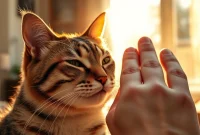
One of the most profound ways to show love is through the "Slow Blink." In the wild, closing one's eyes is a sign of extreme vulnerability. When your cat looks at you and slowly narrows their eyes, they are saying, "I trust you enough to let my guard down."
How to give a Love Blink back:
Establish soft eye contact (avoid staring, which can be seen as a threat).
Slowly close your eyes for two seconds.
Slowly open them and look away slightly. This simple gesture signals to your cat that you are a friend, not a predator, triggering a sense of calm and mutual affection.
Physical Affection: Targeted Petting and Allogrooming
Cats have specific scent glands located on their cheeks, forehead, and the base of their ears. When they rub against you, they are "marking" you as part of their family. To show love back, focus your petting on these areas.
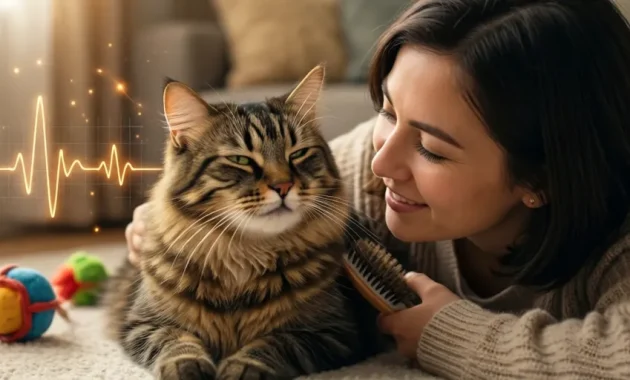
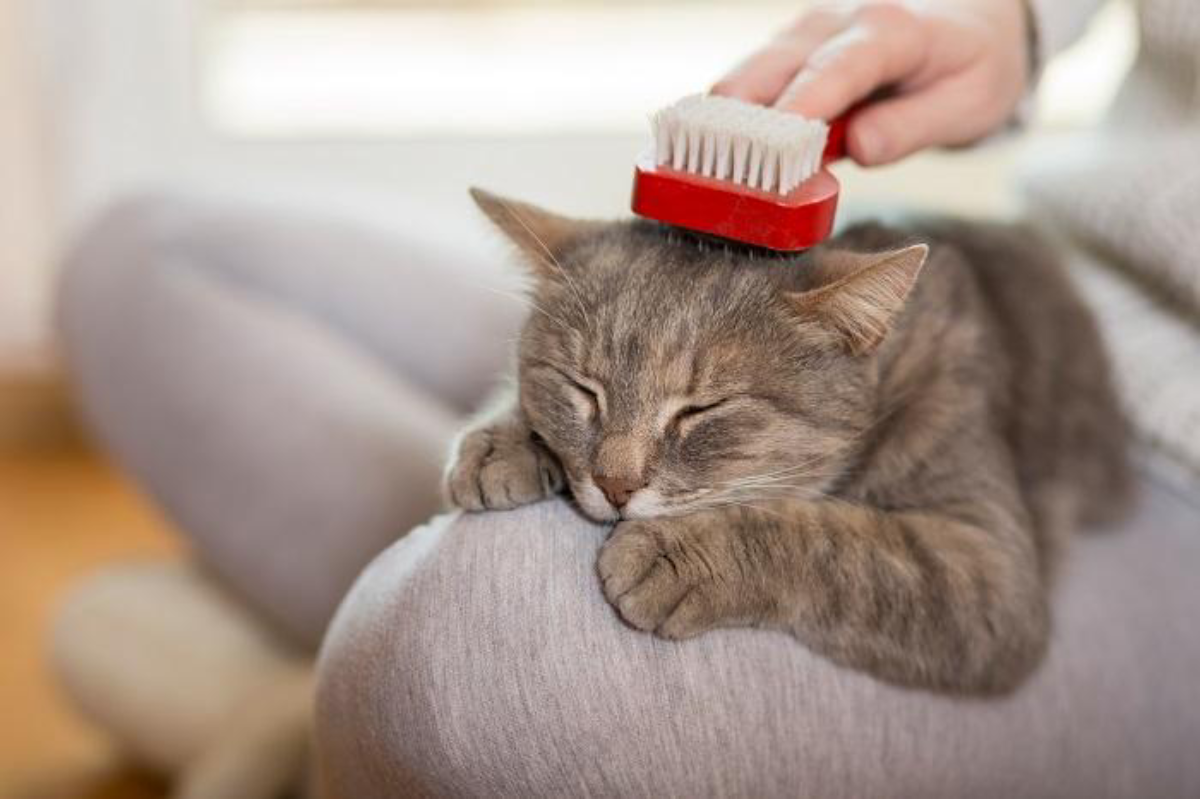
In the feline world, Allogrooming (cats grooming each other) is a high-level social activity. By using a soft brush to groom your cat, you are mimicking this social behavior. It’s not just about removing loose fur; it’s a tactile message of care. If your cat purrs or leans into the brush, you are successfully communicating affection in their primary dialect.
Sometimes, doing nothing is the best way to show love. Cats value Parallel Play or simply sitting near their favorite human. If your cat follows you from room to room but doesn't necessarily want to be touched, they are still showing intense devotion. Respecting their personal space while remaining accessible creates a "Secure Base," which is the foundation of feline mental health.
The Play Connection: Mimicking the Hunt
Play is the language of life for a cat. In 2026, we categorize play as "Enrichment." When you use a wand toy or a laser pointer, you aren't just entertaining them; you are allowing them to fulfill their predatory drive in a safe environment.
Pro-Tip: Always end a play session with a small treat. This "completes the hunt" (Catch-Kill-Eat), providing your cat with a massive dopamine hit and associating that satisfaction with your presence.
Catnip and Sensory Enrichment
Catnip (Nepeta cataria) is more than just a "drug" for cats; it is a sensory tool that can reduce stress and encourage play. By offering high-quality organic catnip or silvervine, you are providing your cat with a natural mood enhancer. Placing catnip on a new scratching post or cat tree shows your cat that their environment is designed specifically for their pleasure.
Nutritional Bonding: Treats as Positive Reinforcement
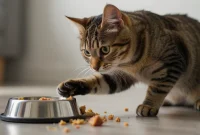
While food should never replace physical affection, a well-timed treat is a powerful bonding tool. Use treats to reward your cat for coming when called or for staying calm during a nail trim. This creates a "Positive Association" where your cat views you as a source of both physical and nutritional comfort.
Understanding Feline Language: Responding to Cues
Communication is a two-way street. When your cat presents their "butt" to you, kneads your lap (making biscuits), or head-butts you (bunting), they are initiating an exchange of love.
Kneading: A behavioral leftover from kittenhood used to stimulate milk flow; it means they feel as safe with you as they did with their mother.
Bunting: Marking you with their scent to claim you as "theirs." Responding by gently stroking their head or speaking in a soft, high-pitched "motherese" tone validates their efforts to connect.
The Ultimate Act: Veterinary Care
It sounds counterintuitive, but taking your cat to the vet is a supreme act of love. Preventive medicine—vaccines, dental checks, and parasite control—ensures that your cat lives a long, pain-free life. Even if they "hate" the carrier, the protection you provide is the highest form of guardianship.
Frequently Asked Questions (FAQ)
1. Do cats actually love their owners?
Yes. Modern feline behavior research shows that cats form strong emotional and social bonds with trusted humans.
2. What does a slow blink mean from a cat?
A slow blink is a sign of trust and relaxation. Cats use it to communicate comfort and affection.
3. Why does my cat follow me everywhere?
Following behavior often means your cat feels secure around you and enjoys your presence, even without constant physical contact.
4. What is bunting in cats?
Bunting is when a cat rubs its head against a person or object to spread scent and mark it as safe or familiar.
5. Why do cats knead blankets or laps?
Kneading is a comforting behavior from kittenhood associated with safety, relaxation, and emotional security.
6. Is grooming important for bonding with cats?
Yes. Gentle brushing mimics social grooming behavior between cats and can strengthen trust and affection.
7. How does play improve a cat’s emotional health?
Interactive play stimulates a cat’s hunting instincts, reduces stress, and creates positive emotional associations with the owner.
8. Is catnip safe for cats?
Yes. Catnip is generally safe and can encourage play, relaxation, and environmental enrichment for many cats.
9. Can treats help strengthen the bond with a cat?
Yes. Treats used as positive reinforcement can help build trust and encourage desired behaviors.
10. Why is veterinary care considered an act of love?
Routine veterinary care helps prevent pain, illness, and long-term health problems, ensuring a healthier and longer life for the cat.