
The Definitive Guide to Feline Parasitology: Identifying, Treating, and Preventing "White Worms" in Cats
2 months ago
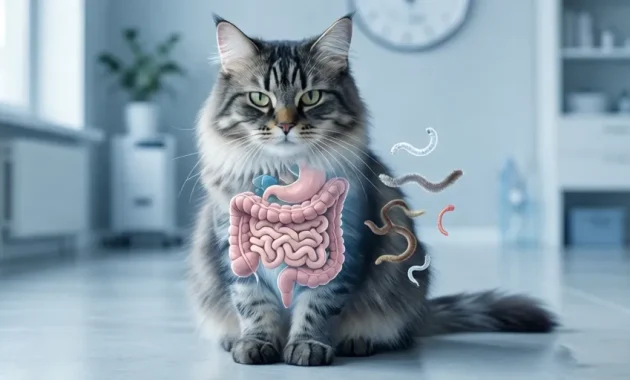
The discovery of a white, moving object in your cat’s litter box or attached to their fur is a moment of high anxiety for any pet parent. Often described as "moving grains of rice" or "spaghetti-like strands," these white worms are more than just a nuisance. They represent a complex parasitic invasion that drains your cat of vital nutrients, compromises their immune system, and—in some cases—poses a health risk to the human members of your household.
Identifying the Culprit: Cestodes vs. Nematodes
Not all white worms are the same. Identification is the first step toward effective treatment.
Cestoda (The Tapeworm/Cacing Pita)
If you see small, white segments that resemble grains of rice or cucumber seeds, you are looking at Proglottids. These are segments of a tapeworm (Dipylidium caninum or Taenia).
How they function: The tapeworm attaches to the intestinal wall using a "scolex" (head) equipped with hooks. It doesn't eat food directly; it absorbs nutrients through its skin as they pass through your cat's gut.
The "Rice" Sign: The segments you see are actually egg packets. They are motile (they move) to crawl away from the feces and distribute eggs into the environment.
Nematoda (The Roundworm/Cacing Gelang)
If you see long, white-to-tan worms that look like spaghetti (often 3 to 6 inches long), these are Roundworms (Toxocara cati).
The Danger: Roundworms do not attach to the walls; they swim freely in the intestines. In heavy infestations, they can cause intestinal blockages or be vomited up by the cat.
- What are the white worms I see in my cat’s poop?
- What is the difference between tapeworms and roundworms?
- How do cats get worms?
- What symptoms do worms cause in cats?
- Are cat worms dangerous to humans?
- How are worms in cats treated?
- How long does deworming take to work?
- Can worms come back after treatment?
- Do indoor cats get worms too?
- How can I prevent worms in cats?
- Should I take my cat to the vet if I see worms?
- Can diet or treats help during recovery?
The "White Worm" Symptom Checklist
Beyond the physical sight of worms, parasites cause a systemic decline in feline health. Watch for these "Red Flags":
Dermatological Decline
A cat’s coat is the mirror of their internal health. Parasites steal Omega-3 fatty acids and proteins.
Dullness: The coat loses its natural sheen.
Texture: The fur becomes "spiky," dry, or brittle.
Skin: You may notice increased dander or flaky skin as the body lacks the lipids to maintain the skin barrier.
Gastrointestinal and Behavioral Signs
The "Pot-Bellied" Look: Particularly in kittens, a distended, firm abdomen despite thin limbs is a classic sign of a heavy roundworm load.
Anus Scooting: Tapeworm segments cause intense itching. If your cat drags its rear across the floor (scooting) or licks the area excessively, it is a sign of parasitic irritation.
Weight Loss with High Appetite: If your cat is eating more than usual but losing weight, the worms are likely consuming the caloric intake before the cat can absorb it.
The Science of Infection: How the Cycle Begins
Understanding the "Intermediate Host" is vital for prevention.
The Flea Cycle: Tapeworms require a flea. A flea larva eats a tapeworm egg. Your cat grooms itself, swallows the adult flea, and the tapeworm is born inside the cat. You cannot cure tapeworms without killing fleas.
The Hunting Cycle: Mice, rats, and even cockroaches act as transport hosts. When a cat engages its predatory instinct, it often ingests encysted larvae.
The Nursing Cycle: Mother cats can pass roundworm larvae to kittens through their milk (transmammary transmission). This is why deworming must start as early as 2-3 weeks of age.
Pharmaceutical Intervention: Understanding Dewormers
As a PetLovers, you should know what you are putting into your cat's body. Most effective treatments utilize a combination of these active ingredients:
| Ingredient | Primary Target | Mechanism of Action |
| Praziquantel | Tapeworms | Damages the parasite's integument (skin), causing the worm to disintegrate and be digested by the cat. |
| Pyrantel Pamoate | Roundworms | Acts as a paralyzing agent. The worms lose their "swim" and are flushed out by the cat's bowels. |
| Milbemycin Oxime | Heartworms/Roundworms | Interferes with the nerve impulses of invertebrates, leading to death of the parasite. |
Nutritional Recovery: Rebuilding with Pro Plan Adult
Clearing the worms is only the first step. The intestinal lining of a cat that has had worms is often inflamed and "leaky."
The Need for High-Quality Protein
During recovery, your cat needs a diet like Pro Plan Adult. Why?
Bioavailability: After a parasite infection, the gut's absorption efficiency is low. Pro Plan’s high-quality meat sources ensure the cat gets maximum nutrients with minimum digestive effort.
Probiotics: Restoring the "Good Bacteria" is essential to stop the diarrhea caused by parasitic toxins.
Immune Defense: Formulated with Vitamin A, C, and E to help the immune system identify and destroy any remaining microscopic larvae.
The Role of Treats in a Healthy Regimen
While the focus is on medical recovery, maintaining a bond is important. Friskies Party Mix Beachside can be used as a "Reward" during deworming sessions.
Pro-Tip: Use the crunchy texture of Friskies to hide the scent of pill-form dewormers, or use it as positive reinforcement after administering liquid medication.
Nutritional Balance: Even during the "Treat Phase," Friskies provides 32% protein, ensuring the snack contributes to the cat's recovery rather than just providing empty calories.
Environmental Decontamination: Breaking the Cycle
If you deworm the cat but don't clean the house, the cat will be re-infected in 21 days.
Litter Box Hygiene: Scrub the box with a 1:32 bleach solution. Parasite eggs are sticky and resilient.
Flea Prevention: Every pet in the house must be on a monthly preventative (like Revolution or Frontline).
Steam Cleaning: Use heat to kill larvae in carpets and "favorite" sleeping spots.
Zoonotic Risks: Can Humans Get "White Worms"?
This is a critical "Authority" section for AdSense.
Roundworms: If a human (especially a child) accidentally ingests eggs from contaminated soil, the larvae can migrate to the eyes or organs (Visceral Larva Migrans).
Tapeworms: Extremely rare, but possible if a human swallows an infected flea.
Prevention: Always wash hands after cleaning the litter box and keep cats away from sandboxes where children play.
FAQ: White Worms in Cats (Tapeworms & Roundworms)
What are the white worms I see in my cat’s poop?
White worms in cat feces are usually intestinal parasites, most commonly tapeworms (rice-like segments) or roundworms (spaghetti-like worms). These parasites live in the intestines and can affect your cat’s health and nutrition.
What is the difference between tapeworms and roundworms?
Tapeworms (Dipylidium caninum infection in cats) appear as small rice-like segments, while roundworms (Toxocara cati infection in cats) look like long spaghetti-like worms. Tapeworms often come from fleas, while roundworms are usually transmitted through eggs or mother-to-kitten infection.
How do cats get worms?
Cats can get worms through:
- swallowing infected fleas,
- hunting rodents or insects,
- contaminated environments,
- or from mother cats during nursing (especially for roundworms).
What symptoms do worms cause in cats?
Common signs include:
- weight loss despite good appetite,
- bloated or pot-bellied abdomen,
- vomiting or diarrhea,
- scooting or excessive licking of the anus,
- dull coat and poor body condition.
Are cat worms dangerous to humans?
Yes, some parasites are zoonotic. Roundworm eggs can infect humans if accidentally ingested, potentially causing serious health issues. Good hygiene and regular deworming reduce this risk.
How are worms in cats treated?
Worm infections are treated with veterinary deworming medications such as praziquantel, pyrantel pamoate, or milbemycin oxime, depending on the type of parasite.
How long does deworming take to work?
Most dewormers start working within hours to a few days, but multiple treatments may be needed to fully eliminate all parasite life stages.
Can worms come back after treatment?
Yes. Reinfection is common if fleas are not controlled or if the environment is not cleaned properly. Regular flea prevention and hygiene are essential.
Do indoor cats get worms too?
Yes. Even indoor cats can get worms through fleas brought inside, contaminated objects, or raw food exposure.
How can I prevent worms in cats?
Prevention includes:
- regular deworming schedules,
- flea control for all pets,
- cleaning litter boxes daily,
- avoiding raw or undercooked meat,
- keeping living areas clean.
Should I take my cat to the vet if I see worms?
Yes. A veterinarian can properly identify the parasite type and prescribe the correct treatment. Early diagnosis prevents complications and reinfection.
Can diet or treats help during recovery?
A balanced diet supports recovery after infection. Treats like Friskies Party Mix can be used in moderation for positive reinforcement, but they do not treat parasites or replace medication.