The Comprehensive Guide to Feline Health: Abdominal Pain, Appetite Loss, and Essential Grooming
2 months ago · Updated 2 months ago
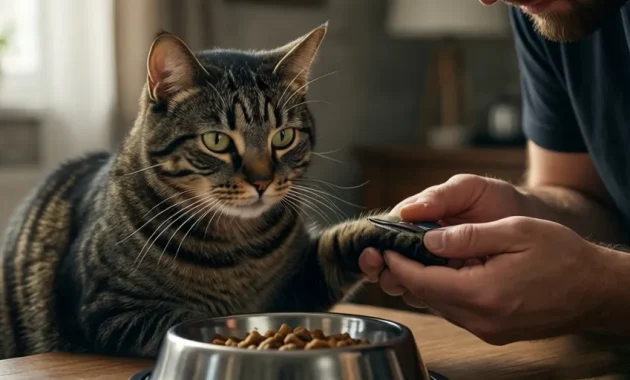
For the average cat owner, life with a feline companion is a series of mysterious chirps, slow blinks, and quiet naps. But beneath that calm exterior lies a biological survivalist. Cats are evolutionarily programmed to hide their vulnerabilities. In the wild, a cat showing signs of stomach pain or weakness is a cat that invites predation.
This "stoicism" is the greatest hurdle for modern pet parents. When your cat stops eating or flinches when you touch their belly, they aren't just "having an off day." They are communicating a crisis that has likely been brewing for some time. This 5,000-word guide is designed to help you decode these silent signals, manage emergencies like abdominal pain and anorexia, and master routine care like nail trimming to ensure a long, healthy life for your feline friend.

Decoding Abdominal Pain (The "Acute Abdomen")
1.1 Why the Abdomen is the "Engine Room"
In veterinary medicine, the abdomen is more than just the stomach. It is a crowded space containing the liver, kidneys, spleen, pancreas, bladder, and miles of intestinal tract. Because these organs are packed so closely together, pain in one often radiates to the others.
1.2 Common Culprits of Internal Distress
Gastroenteritis and Dietary Indiscretion: We often joke about cats being finicky, but they are surprisingly prone to eating things they shouldn't—houseplants, dust bunnies, or "people food" that is toxic to them. This leads to acute inflammation of the stomach lining.
The Linear Foreign Body Hazard: This is a specific feline nightmare. Cats love string. If a cat swallows yarn or dental floss, one end can get caught under the tongue while the rest moves through the gut. The intestines then bunch up like a drawstring on a pair of sweatpants, potentially cutting through the intestinal wall.
Pancreatitis and Triaditis: Cats are unique in that their pancreatic duct and bile duct share an entry point to the small intestine. This means if one organ gets inflamed, the others usually follow. Triaditis is the simultaneous inflammation of the pancreas, liver, and intestines—a condition that causes profound, localized pain.
Urinary Blockages: Specifically in male cats, crystals can block the urethra. This causes the bladder to expand like a balloon that is about to pop. The pain is so intense that cats will often howl or collapse.
1.3 Symptoms You Cannot Ignore
How do you know if your cat’s belly hurts? Look for the "Prayer Position." A cat in pain will often tuck their front paws and chest low to the ground while keeping their rear end elevated. This shift in posture is an attempt to relieve the pressure of gravity on their internal organs. Other signs include:
Abdominal Guarding: Hissing or swatting when you try to pick them up.
Tensing: The belly feels rock-hard to the touch rather than soft and pliable.
Vocalizing: Unusual yowling, especially near the litter box.
- 1.1 Why the Abdomen is the "Engine Room"
- 1.2 Common Culprits of Internal Distress
- 1.3 Symptoms You Cannot Ignore
- 1. Why do cats hide signs of pain?
- 2. What are common signs of abdominal pain in cats?
- 3. What is the “Prayer Position” in cats?
- 4. Why are strings dangerous for cats?
- 5. What is Triaditis in cats?
- 6. What causes urinary blockage in male cats?
- 7. How can I tell if my cat has a urinary blockage?
- 8. What is feline anorexia?
- 9. What is pseudo-anorexia in cats?
- 10. Why is it dangerous when cats stop eating?
- 11. How long can a cat go without food safely?
- 12. What is Hepatic Lipidosis?
- 13. How can I encourage my cat to eat?
- 14. Why is nail trimming important for cats?
- 15. How often should I trim my cat’s nails?
- 16. What is the “quick” in a cat’s nail?
- 17. What is the safest way to trim a cat’s nails?
- 18. What is the “Burrito Method” for cats?
- 19. Can diet help prevent abdominal problems in cats?
- 20. How does grooming improve a cat’s health?
Feline Anorexia – The Silent 48-Hour Clock
2.1 Anorexia vs. Pseudo-Anorexia
It is vital to distinguish between a cat that won't eat and a cat that can't eat.
True Anorexia: The cat has no desire for food. This is usually systemic (kidney disease, cancer, or severe infection).
Pseudo-Anorexia: The cat is hungry but stops because of pain. This is common in cats with dental disease or those with mouth ulcers (common in Feline Calicivirus).
2.2 The Danger of Hepatic Lipidosis (Fatty Liver Disease)
If a human stops eating for three days, they lose weight. If a cat stops eating for three days, they can die of liver failure. This is because feline metabolism is not designed to process body fat efficiently. When a cat starves, fat floods the liver to be converted into energy, but the liver gets "clogged." This leads to jaundice (yellowing of the eyes/skin) and organ failure.
2.3 Stimulating the Appetite
If your cat is in the early stages of inappetence, you can try "enticement therapy":
Warmth: Heating wet food to 101°F (38°C) mimics the temperature of fresh prey and increases the aroma.
Toppers: Use the juice from tuna canned in water (never oil) or a sprinkle of FortiFlora to pique their interest.
The Safe Zone: Move the food bowl to a quiet, elevated place where the cat feels secure from other household pets.
Mastering the Art of the Nail Trim
3.1 Why Grooming is a Health Requirement
Many owners think nail trimming is just about saving the sofa. However, for indoor cats, nails that grow too long can curl into the paw pad, causing agonizing infections. Furthermore, senior cats lose the ability to retract their claws fully, causing them to get "stuck" in carpets, which can result in dislocated shoulders or torn ligaments.
3.2 The Step-by-Step Technique
The Desensitization Phase: Spend a week just massaging your cat's paws while they sleep. Don't bring out the clippers yet. Let them associate paw-handling with relaxation.
The "Burrito" Method: If your cat is wiggly, wrap them snugly in a towel. This prevents them from "swimming" away and keeps you safe from scratches.
Finding the Quick: The "quick" is the pink part inside the nail containing nerves and blood. Only clip the clear, hook-like tip. If your cat has black nails, clip only the very end to stay safe.
Rewarding the Behavior: Always follow a trim with a "high-value" treat. This creates a "Pavlovian" response where the cat eventually tolerates the trim in anticipation of the reward.
Integration – How Diet and Grooming Prevent Pain
The most effective way to manage abdominal pain is to prevent it. A high-quality diet (rich in moisture and protein) prevents the formation of urinary crystals and constipation. Regular grooming prevents the ingestion of excessive fur, which reduces the risk of hairball-related obstructions.
FAQ
1. Why do cats hide signs of pain?
Cats instinctively hide weakness because, in the wild, showing illness or pain could make them vulnerable to predators.
2. What are common signs of abdominal pain in cats?
Common signs include:
- Hiding
- Hunched posture
- Loss of appetite
- Vomiting
- Aggression when touched
- Lethargy
- Vocalizing unusually
- Tense abdomen
3. What is the “Prayer Position” in cats?
The “Prayer Position” occurs when a cat lowers the front of the body while keeping the rear elevated. This posture often indicates abdominal discomfort.
4. Why are strings dangerous for cats?
Strings, yarn, and dental floss can cause dangerous intestinal blockages called linear foreign bodies that may require emergency surgery.
5. What is Triaditis in cats?
Triaditis is the simultaneous inflammation of the pancreas, liver, and intestines. It is a painful and complex feline condition.
6. What causes urinary blockage in male cats?
Mineral crystals, mucus plugs, or inflammation can block the urethra, preventing urination and causing a life-threatening emergency.
7. How can I tell if my cat has a urinary blockage?
Signs include:
- Frequent litter box visits
- Straining without urine
- Crying while urinating
- Vomiting
- Collapse or weakness
8. What is feline anorexia?
Feline anorexia is a complete loss of appetite. It is often a symptom of serious illness and should never be ignored.
9. What is pseudo-anorexia in cats?
Pseudo-anorexia occurs when a cat wants to eat but cannot because of pain, dental disease, or difficulty swallowing.
10. Why is it dangerous when cats stop eating?
Cats can develop Hepatic Lipidosis (Fatty Liver Disease) after prolonged appetite loss, especially if they are overweight.
11. How long can a cat go without food safely?
Cats should not go longer than 24–48 hours without eating because serious complications can develop rapidly.
12. What is Hepatic Lipidosis?
Hepatic Lipidosis is a life-threatening liver condition caused by fat accumulation in the liver when cats stop eating.
13. How can I encourage my cat to eat?
You can try:
- Warming wet food
- Offering tuna water
- Feeding in a quiet room
- Using appetite stimulants prescribed by a veterinarian
14. Why is nail trimming important for cats?
Overgrown nails can curl into paw pads, cause infections, snag on carpets, and lead to painful injuries.
15. How often should I trim my cat’s nails?
Most indoor cats benefit from nail trimming every 2–4 weeks depending on nail growth.
16. What is the “quick” in a cat’s nail?
The “quick” is the pink inner area containing nerves and blood vessels. Cutting it can cause pain and bleeding.
17. What is the safest way to trim a cat’s nails?
Use proper cat nail clippers, trim only the clear tip, keep sessions calm and short, and reward your cat afterward.
18. What is the “Burrito Method” for cats?
The Burrito Method involves wrapping a cat gently in a towel to safely control movement during grooming or nail trimming.
19. Can diet help prevent abdominal problems in cats?
Yes. Moisture-rich, high-quality diets can help reduce constipation, urinary crystals, and digestive problems.
20. How does grooming improve a cat’s health?
Regular grooming reduces excessive fur ingestion, lowers hairball risk, and helps owners detect early signs of illness or injury.