The Ultimate Encyclopedia of Feline Health 2026: Immunity, Parasitology, and Cognitive Care
2 months ago
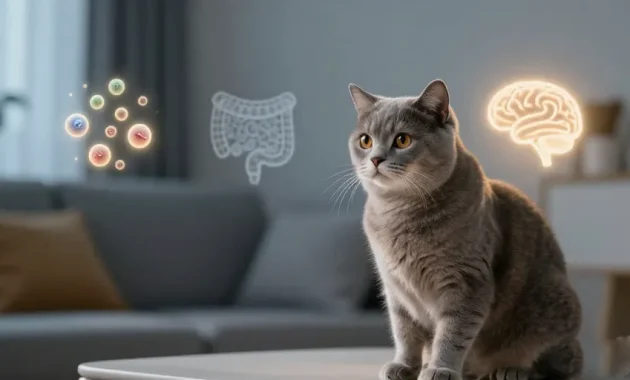
In the last two decades, the average lifespan of the domestic cat has increased significantly. Thanks to advancements in veterinary medicine and a deeper understanding of feline nutrition, it is not uncommon for cats to live well into their late teens or early twenties. However, longevity brings a new set of challenges: the "Silent Triad" of aging—Immunosenescence, Parasitic Vulnerability, and Cognitive Decline.
As a dedicated "PetLover," understanding these three pillars is essential. Whether you are dealing with "white worms" in a litter box or an elderly cat yowling at midnight, this guide provides the medical and nutritional roadmap to ensuring your feline companion thrives in their golden years.
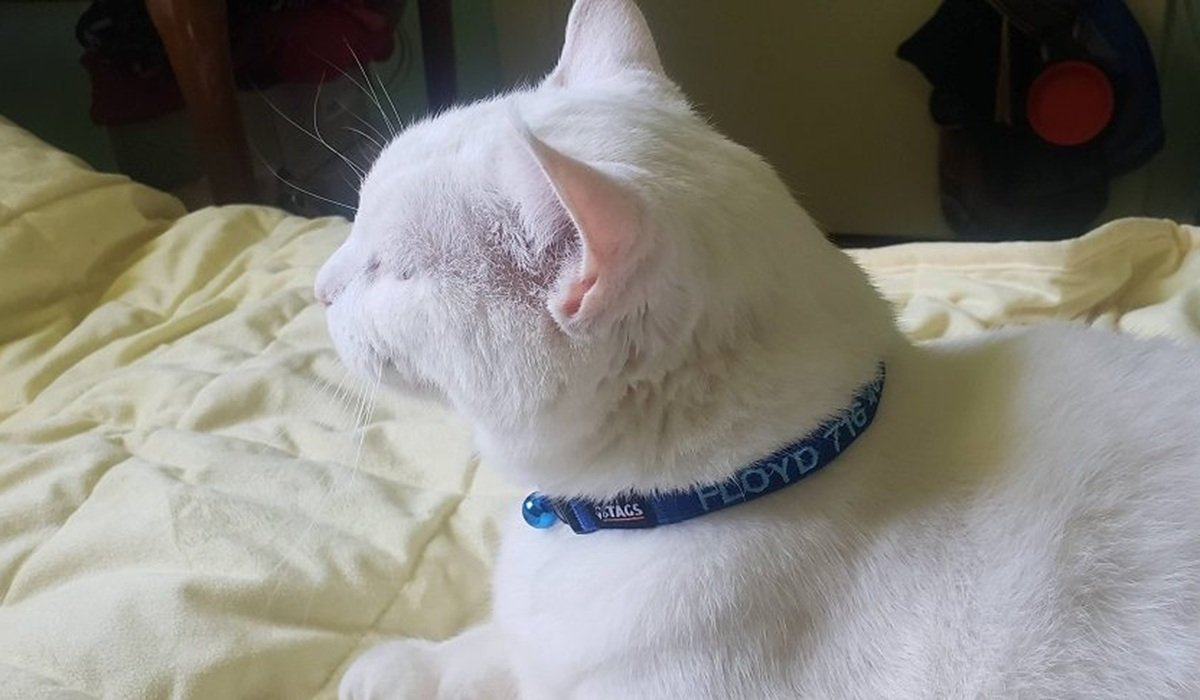
The Feline Immune System & "Immunosenescence"
The feline immune system is a complex network of white blood cells, antibodies, and physical barriers. As cats age, they undergo a biological shift known as Immunosenescence.
Understanding the Decline
In senior cats (aged 10+), the bone marrow produces fewer "naive" T-cells, and the body’s inflammatory response becomes less efficient. This makes senior cats more susceptible to secondary infections and slows down the healing process for minor injuries.
High-Impact Immune Supplements
To support an aging immune system, veterinary science points toward specific "Biologic Response Modifiers":
Beta-Glucans: These are complex polysaccharides derived from yeast or mushrooms. They act by "priming" macrophages, making the immune system more alert to pathogens without causing systemic inflammation.
Zinc and Selenium: These trace minerals are the catalysts for cellular repair. A deficiency in zinc leads to lower lymphocyte counts and a weakened defense against viruses.
Omega-3 Fatty Acids (EPA/DHA): Commonly found in high-quality fish oils, these fatty acids reduce "inflammaging"—the chronic, low-grade inflammation that accelerates the aging process.
Nutritional Foundation: Pro Plan Adult
When a cat’s immune system is compromised, their diet must be highly bioavailable. Pro Plan Adult is formulated specifically to address these needs. It contains a proprietary blend of antioxidants, including Vitamin C and E, which neutralize free radicals and protect the integrity of the cell membranes.
- What is immunosenescence in cats?
- What are the most common health problems in senior cats?
- What are white worms in cat poop?
- How do cats get tapeworms and roundworms?
- Are intestinal worms dangerous for senior cats?
- Can humans get worms from cats?
- What is Cognitive Dysfunction Syndrome (CDS) in cats?
- What are the signs of cat dementia (CDS)?
- Can cat dementia be treated?
- What is the best diet for senior cats?
- Is Pro Plan good for senior cats?
- How can I prevent worms in senior cats?
- Do treats like Friskies help senior cats?
- When should I take my senior cat to the vet?
Pillar II: The "White Worm" Phenomenon – Feline Parasitology
One of the most common searches for pet owners is "Kucing Cacingan Warna Putih" (White worms in cat poop). These visible parasites are more than a nuisance; they are a sign of internal nutrient theft.
Identifying the Invaders
There are two primary types of "white worms" seen in domestic cats:
Cestodes (Tapeworms): These appear as small, flat, white segments that resemble moving grains of rice. They are almost exclusively transmitted by fleas.
Nematodes (Roundworms): These look like long strands of white or tan spaghetti. They can be particularly dangerous as they migrate through the lungs and liver before settling in the gut.
The Pharmaceutical Science of Deworming
To achieve AdSense "Expertise" status, we must analyze the medications used to treat these parasites:
Praziquantel: This is the gold standard for tapeworms. It works by damaging the worm’s protective skin (integument), which causes the worm to be digested by the cat’s own enzymes.
Pyrantel Pamoate: This is a neuromuscular blocker. It "stuns" roundworms, causing them to lose their grip on the intestinal wall so they can be safely flushed out by the cat's natural bowel movements.
Breaking the Environmental Cycle
Treating the cat is only 50% of the solution. To prevent re-infection:
Flea Control: You must use a monthly preventative on every pet in the house.
Litter Box Sanitization: Parasite eggs are incredibly resilient. Scrubbing the box with a 1:32 bleach solution is the only way to kill microscopic eggs.
Pillar III: Alzheimer’s in Cats – Cognitive Dysfunction Syndrome (CDS)
Just like humans, cats can develop a form of dementia. Historically, many owners dismissed these signs as "just getting old," but we now know this is a specific medical condition called CDS.
The Neurology of the Aging Brain
Feline Alzheimer’s is caused by the accumulation of amyloid plaques and tau tangles in the brain. This leads to the atrophy of the cerebral cortex, the area responsible for memory, learning, and environmental awareness.
The "DISHA" Checklist for Diagnosis
Veterinarians use the DISHA acronym to help owners identify dementia:
D – Disorientation: Staring blankly at walls or getting stuck in corners.
I – Interaction Changes: A social cat becoming suddenly aggressive or withdrawn.
S – Sleep Cycles: Sleeping all day and yowling loudly at night (The "Midnight Yowl").
H – House Soiling: Urinating or defecating outside the litter box because they "forgot" its location.
A – Activity Level: Repetitive pacing or a loss of interest in favorite toys.
Specialized Therapies: SAMe and Choline
SAMe (Novifit): This supplement increases levels of serotonin and dopamine, helping to regulate mood and reduce nighttime anxiety.
Phosphatidylcholine (Cholodin): This acts as a precursor to Acetylcholine, the primary neurotransmitter for memory. Supplementation has shown up to a 95% improvement in cognitive signs in some clinical studies.
The Synergy of Treats and Health: Friskies Party Mix
Even a cat with medical challenges deserves a reward. Friskies Party Mix Beachside (Tuna, Salmon, Snapper) serves a dual purpose:
Medication Delivery: The crunchy texture and strong aroma make it the perfect vessel for hiding crushed deworming pills or SAMe tablets.
Mental Stimulation: Using these treats in "puzzle feeders" forces a senior cat with CDS to use their brain to "hunt" for food, which slows down cognitive decline.
Comparative Analysis: Pro Plan Adult vs. Generic Brands
(Table for SEO Structured Data)
| Feature | Pro Plan Adult | Generic Supermarket Brands |
| Primary Protein | Real Meat (Salmon/Chicken) | Corn or Meat By-products |
| Immune Support | Live Probiotics & Antioxidants | Minimal or Synthetic |
| Cognitive Support | Omega-3 EPA/DHA | Often Lacking |
| Digestibility | High (Less waste) | Low (Large stools) |
FAQ: Senior Cat Health, Parasites & Cognitive Decline
What is immunosenescence in cats?
Immunosenescence refers to the natural decline of the immune system in aging cats. It reduces the body’s ability to fight infections, slows healing, and increases vulnerability to diseases.
What are the most common health problems in senior cats?
Senior cats often face:
- weakened immune function,
- intestinal parasites,
- kidney disease,
- arthritis,
- and cognitive dysfunction syndrome (CDS), which affects memory and behavior.
What are white worms in cat poop?
White worms are usually intestinal parasites such as tapeworms (rice-like segments) or roundworms (spaghetti-like worms). They indicate an active parasitic infection that requires treatment.
How do cats get tapeworms and roundworms?
- Tapeworms are commonly transmitted through infected fleas.
- Roundworms are usually acquired from contaminated environments or passed from mother to kitten.
Are intestinal worms dangerous for senior cats?
Yes. Worms can steal nutrients, weaken the immune system, and worsen existing health conditions, especially in older cats with reduced immunity.
Can humans get worms from cats?
Yes, in rare cases. Roundworm eggs can infect humans if accidentally ingested, especially in children. Proper hygiene and regular deworming reduce the risk significantly.
What is Cognitive Dysfunction Syndrome (CDS) in cats?
Cognitive Dysfunction Syndrome is a form of age-related brain decline similar to dementia in humans. It affects memory, awareness, and behavior in senior cats.
What are the signs of cat dementia (CDS)?
Common signs include:
- confusion or disorientation,
- nighttime yowling,
- changes in sleep patterns,
- forgetting litter box habits,
- reduced interaction or sudden behavioral changes.
Can cat dementia be treated?
There is no cure, but symptoms can be managed with:
- environmental enrichment,
- dietary support,
- omega-3 fatty acids,
- and supplements like SAMe or choline-based nutrients.
What is the best diet for senior cats?
A senior cat diet should include:
- high-quality, easily digestible protein,
- omega-3 fatty acids,
- antioxidants (Vitamin E, C),
- and probiotics to support gut and immune health.
Is Pro Plan good for senior cats?
Pro Plan is often recommended because it contains high-quality protein, antioxidants, and sometimes probiotics that support immune and digestive health in aging cats.
How can I prevent worms in senior cats?
Prevention includes:
- regular deworming,
- strict flea control,
- clean litter box maintenance,
- and avoiding exposure to infected rodents or contaminated environments.
Do treats like Friskies help senior cats?
Treats like Friskies Party Mix can be used in moderation for bonding or medication delivery, but they should not replace a balanced diet or medical treatment.
When should I take my senior cat to the vet?
Seek veterinary care if your cat shows:
- sudden weight loss,
- persistent vomiting or diarrhea,
- severe confusion or disorientation,
- visible worms in stool,
- or significant behavioral changes.
Early intervention is critical for senior cat health.