The Science of Feline Overgrooming: Why Your Cat is Losing Hair and How to Fix It Permanently
3 months ago
As a cat owner, few things are more satisfying than watching your feline companion groom themselves. It is a sign of a clean, self-sufficient, and inherently elegant animal. In fact, healthy cats are biological neat-freaks, dedicating up to 50% of their waking hours to maintaining their coats. Their tongues, lined with tiny, backward-facing hooks called papillae, act as natural hairbrushes to remove dirt, untangle mats, and distribute natural skin oils.
But what happens when this beautiful, instinctual behavior crosses the line into obsession?
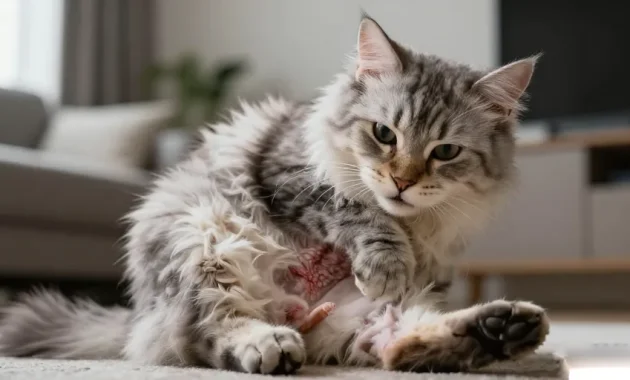
One day, you notice a thin patch of hair on your cat’s belly. A week later, that patch has transformed into a perfectly symmetrical, completely bald strip stretching from their thighs to their groin. You catch them licking the same spot for hours, chewing at their paws, and biting their skin until it’s red and raw.
This is the damaging reality of feline overgrooming (clinically known as psychogenic alopecia or parasitic/allergic dermatitis). Far from being a harmless quirk, compulsive grooming is a clear distress signal from your cat’s body or mind. Left unchecked, it strips away their primary defensive barrier, leading to painful skin infections, chronic hair loss, and severe behavioral issues.
This comprehensive guide explores the physiological and psychological mechanics behind feline overgrooming. We will break down how to identify the root causes, map out appropriate veterinary steps, and explore cutting-edge dermatological nutritional strategies to help restore your cat’s coat to its natural, fluffy glory.

The Anatomy of Feline Grooming — Normal vs. Abnormal
To effectively treat overgrooming, we must first understand the biological purposes of regular grooming and learn how to identify the exact moment it transforms from a healthy hygiene routine into a destructive behavioral habit.
                  [ The Dual Nature of Feline Grooming ]
                                     │
         ┌───────────────────────────┴───────────────────────────┐
         ▼                                                       ▼
 [ Functional Maintenance ]                              [ Compulsive Destruction ]
 ├── Thermal Regulation (Saliva cooling)                ├── Structural Hair Shaft Breakage
 ├── Sebum Distribution (Waterproofing)                 ├── Epidermal Erosion & Ulceration
 └── Parasite Removal & Cleanliness                     └── Secondary Bacterial Pyoderma
The Biological Functions of Normal Grooming
For a cat, grooming is an evolutionary survival tool, serving several critical physiological roles:
Temperature Regulation: Unlike humans, cats cannot sweat efficiently through their skin. By coating their fur in saliva, they utilize evaporative cooling to lower their body temperature during hot weather.
Skin Barrier Protection: The grooming process stimulates the sebaceous glands at the base of the hair follicles. This releases sebum, a natural oil that the cat spreads across their coat to waterproof their fur, moisturize their skin, and protect against environmental pathogens.
Scent Camouflage: In the wild, cats are both predators and prey. Grooming after a meal removes food odors, preventing larger predators from tracking them.
When Grooming Becomes Pathological
Abnormal grooming occurs when a cat applies continuous, intense friction to a localized area of the body. The mechanical action of the rough feline tongue acts like sandpaper on the skin.
Over time, this constant abrasion shears off the hair shafts right at the skin line, resulting in distinct patches of hair loss (alopecia). If the behavior continues, the tongue erodes the protective top layer of the skin (the epidermis), creating micro-tears, oozing sores, and red, inflamed lesions that are highly vulnerable to bacterial invasion.
- 1. Why is my cat licking its fur excessively?
- 2. Is overgrooming dangerous for cats?
- 3. What does normal cat grooming look like?
- 4. Why does my cat have bald spots on its belly or legs?
- 5. Can stress cause cats to overgroom?
- 6. What are common stress triggers for cats?
- 7. Can fleas cause excessive grooming even if I cannot see them?
- 8. What is psychogenic alopecia in cats?
- 9. Can food allergies make cats overgroom?
- 10. What is Feline Hyperesthesia Syndrome (FHS)?
- 11. How can I tell if my cat’s grooming is abnormal?
- 12. Should I bathe my cat often?
- 13. What type of brush is safest for cats?
- 14. Can overgrooming cause infections?
- 15. Why does my cat keep chewing its lower back or tail area?
- 16. How do veterinarians diagnose overgrooming causes?
- 17. Can changing my cat’s environment help?
- 18. What helps calm an anxious cat?
- 19. Can nutrition improve skin and coat health?
- 20. When should I take my cat to the vet?
The Two Pillars of Overgrooming — External vs. Internal Factors
Veterinary dermatologists divide the causes of overgrooming into two primary categories: External Factors (errors made by the human caretaker) and Internal Factors (medical or psychological conditions originating within the cat).
                        [ Overgrooming Pathogen Matrix ]
                                       │
        ┌──────────────────────────────┴──────────────────────────────┐
        ▼                                                             ▼
 [ External Factors (Human-Led) ]                      [ Internal Factors (Feline-Led) ]
 ├── Hyper-Frequent Bathing (Strip Sebum)               ├── Fungal Pathogens (Dermatophytosis)
 ├── Aggressive Mechanical Brushing                     ├── Ektoparasite Infestation (Fleas/Mites)
 └── Detergent & Chemical Irritation                    └── Psychogenic Anxiety & Neurosis
Pillar 1: External Factors (Human-Driven Overgrooming)
Sometimes, our well-meaning efforts to care for our pets can inadvertently damage their skin. External overgrooming happens when a caretaker uses improper techniques or over-maintains the cat's coat:
Excessive Bathing: Unless a cat has a medical skin condition or gets exceptionally dirty outdoors, they rarely need frequent baths. Washing them too often—especially with human shampoos or harsh soaps—strips away the protective sebum layer. This leaves the skin dry, flaky, and intensely itchy, causing the cat to lick compulsively to soothe the irritation.
Aggressive Brushing: Using de-shedding tools with sharp metal teeth too forcefully or too frequently can scratch the skin's surface and damage healthy hair follicles, leading to patchiness and localized inflammation.
Pillar 2: Internal Factors (Feline-Driven Overgrooming)
When a cat overgrooms independently, it is usually a physical or emotional reaction to an internal trigger. These internal causes can be broken down into four distinct categories:
A. Dermatological Infections (Fungal and Bacterial)
Fungal infections, most notably Dermatophytosis (Ringworm), are highly contagious conditions that target the hair shafts and skin cells. Ringworm weakens the structure of the hair, making it brittle and easy to break, while causing a deep, burning itch that drives the cat to lick and chew the area non-stop.
B. Ektoparasites (The Invisible Invaders)
Parasites are a leading cause of sudden overgrooming. Fleas (Ctenocephalides felis), Mites (Notoedres cati or Demodex), and Ticks bite into the skin to feed, injecting irritating saliva into the bloodstream.
Many cats suffer from Flea Allergy Dermatitis (FAD), an intense allergic reaction where a single flea bite can trigger a full-body immune response, causing severe, relentless itching across their lower back, tail base, and thighs.
[ Single Flea Bite ] ──► [ Salivary Allergen Injection ] ──► [ Systemic Histamine Release ] ──► [ Compulsive Lower-Back Chewing ]
C. Environmental and Food Allergies
Just like humans, cats can develop strong allergic reactions to proteins in their food (such as beef, dairy, or fish) or environmental triggers like dust mites, mold spores, pollen, and synthetic household fragrances. These allergies manifest primarily through the skin, causing a condition called Atopic Dermatitis, which makes the belly, face, and paws feel incredibly itchy.
D. Psychological Stress and Anxiety (Psychogenic Alopecia)
When all medical causes are ruled out, overgrooming is often diagnosed as Psychogenic Alopecia—a compulsive behavioral disorder triggered by chronic stress or anxiety.
When a cat feels threatened, anxious, or frustrated, licking their fur acts as a self-soothing mechanism. The repetitive motion triggers the release of endorphins (natural feel-good chemicals) in the cat's brain, providing temporary comfort. Over time, this coping strategy can turn into an addictive habit, with the cat grooming compulsively whenever they encounter the slightest stressor.
[ Environmental Stressor ] ──► [ Cortisol Spike ] ──► [ Compulsive Licking ] ──► [ Endorphin Release ] ──► [ Behavioral Addiction ]
The Danger Checklist — Why Overgrooming is a Medical Threat
Many owners brush off overgrooming as a simple cosmetic flaw, thinking, "So what if my cat has a bald patch? They still look cute." However, leaving this behavior untreated exposes your cat to several serious medical risks:
                     [ The Degradation Cascade of Overgrooming ]
                                         │
         [ Stage 1: Mechanical Shearing of the Protective Hair Shaft ]
                                         │
                                         ▼
         [ Stage 2: Epidermal Abrasion and Loss of Sebum Moisture ]
                                         │
                                         ▼
         [ Stage 3: Micro-Ulceration and Serum Leakage (Raw Flesh) ]
                                         │
                                         ▼
         [ Stage 4: Opportunistic Deep Bacterial Infection (Pyoderma) ]
Loss of Core Temperature Control: A cat's fur coat acts as insulation against both heat and cold. Expansive bald patches leave them vulnerable to hypothermia in air-conditioned or chilly environments, and increase their risk of overheating in warm weather.
The Chronic Itch-Scratch-Lick Cycle: As the cat licks to soothe an itch, they damage the skin further, which triggers an inflammatory response that creates even more itching. This endless cycle rapidly worsens the injury.
Secondary Bacterial Pyoderma: When the skin's surface is worn away, common environmental bacteria (such as Staphylococcus) enter the raw tissues. This leads to deep, painful skin infections characterized by pus, crusting, swelling, and systemic pain that requires heavy rounds of antibiotics to resolve.
Severe Hairball Obstructions: A cat that overgrooms swallows massive amounts of loose fur. This excess hair can overwhelm their digestive tract, clumping into large hairballs (trichobezoars) that can block the stomach or intestines, a life-threatening issue that often requires emergency surgery.
Establishing a Safe Grooming Routine
To protect your cat from external overgrooming, you need to align your care routine with their natural biology. Here is a guideline for maintaining a healthy coat based on your cat's specific lifestyle:
For Indoor Short-Haired Cats
Cats with short coats who live entirely indoors rarely need to be bathed. Their self-grooming is more than enough to keep them clean. Limit baths to once every 4 to 6 weeks, or skip them entirely unless they happen to get into something sticky or toxic.
Brushing should be a gentle, relaxing experience using a soft rubber curry brush or a natural bristle brush once or twice a week to help remove loose hair without irritating the skin.
For Outdoor or Long-Haired Cats
Cats with long, luxurious fur (such as Persians, Ragdolls, or Maine Coons) need active help to prevent tangles and mats. Brush them daily using a high-quality slicker brush or a wide-toothed metal comb, working gently through the fur without pulling or pressing against the skin.
If your cat spends time outdoors and gets muddy or dirty, increase their bath frequency slightly, but always use an ultra-mild, oatmeal-based, soap-free cat shampoo.
Clinical Diagnosis — When to Visit the Vet
If you notice your cat overgrooming, your first step should always be to schedule an appointment with a veterinarian. Never assume the issue is purely psychological until a professional has thoroughly ruled out every possible medical cause.
                     [ Veterinary Diagnostic Protocol ]
                                     │
         ┌───────────────────────────┼───────────────────────────┐
         ▼                           ▼                           ▼
 [ Skin Scraping Test ]       [ Wood's Lamp / Culture ]   [ Elimination Diet Try ]
 Identifies microscopic mites  Detects active fungal spores Identifies specific hidden
 and burrowing parasites.    and ringworm infections.    food allergen proteins.
During your visit, the vet will systematically test for underlying issues using several diagnostic tools:
Skin Scrapings and Acetate Tape Impressions: The vet gently scrapes the top layer of skin to look under a microscope for microscopic mites, lice, or overgrowths of yeast and bacteria.
Wood’s Lamp Examination and Fungal Culture: Using an ultraviolet light to check for ringworm spores, followed by a fungal culture test for a definitive diagnosis.
Flea Comb Inspection: Thoroughly checking the fur for fleas or flea dirt (flea waste), which confirms a parasitic issue even if you haven't seen live bugs.
Hypoallergenic Food Trials: If allergies are suspected, the vet may place your cat on a strict elimination diet using a hydrolyzed protein source for 8 to 12 weeks to see if the itching subsides.
Holistic Management — Stress Relief and Environmental Enrichment
If your veterinarian rules out all medical conditions, your cat's overgrooming is likely a behavioral response to stress. To break this anxious habit, you need to look at your home from a cat's perspective and implement stress-reduction strategies:
                      [ Feline Anxiety Reduction Protocol ]
                                       │
         ┌─────────────────────────────┼─────────────────────────────┐
         ▼                             ▼                             ▼
 [ Interactive Outlets ]       [ Territoral Security ]       [ Pheromone Infusion ]
 ├── Predatory play sessions    ├── High vertical shelving    └── Synthetic Feliway diffusers
 └── Foraging puzzle feeders    └── Private hiding sanctuaries  (Mimics facial pheromones)
1. Remove the Triggers of Stress
Cats love predictability and can be deeply unsettled by sudden changes, such as moving to a new home, adding a new pet, or hosting loud guests. Introduce changes slowly, and ensure your cat always has a quiet, private sanctuary where they can escape the commotion.
2. Boost Environmental Enrichment
Boredom and frustration are major drivers of anxiety-related grooming. Give your cat healthy ways to channel their mental and physical energy:
Set up tall cat trees and window perches so they can safely observe their environment from high up.
Swap out standard food bowls for interactive puzzle feeders that challenge their minds and mimic the natural hunt for food.
Dedicate time every day to interactive play using feather wands or chase toys to burn off pent-up energy.
3. Use Synthetic Pheromones
Consider using plug-in diffusers that release synthetic versions of feline facial pheromones (such as Feliway). These odorless vapors mimic the natural comforting scents cats leave behind when they rub their cheeks against furniture, sending a subtle message to their brain that their environment is safe and secure.
Nutritional Therapeutics — Healing Skin from the Inside Out
While medical treatments and stress relief are vital for stopping the urge to overgroom, your cat's body needs targeted nutritional support to repair the damage. Healing irritated skin and rebuilding a thick, healthy coat requires specific nutrients delivered through a high-quality, balanced diet.
                       [ Advanced Dermatological Fuel ]
                                      │
         ┌────────────────────────────┴────────────────────────────┐
         ▼                                                         ▼
 [ Marine Omega-3 & 6 Oils ]                               [ Pure Salmon Proteins ]
 ├── Stabilizes cell membranes                             ├── Provides vital amino acids
 └── Turns off inflammatory pathways                     └── Builds robust skin cells
The Power of Omega-3 and Omega-6 Fatty Acids
Essential fatty acids are the building blocks of a healthy coat. Omega-6 fatty acids (like Linoleic Acid) nourish the outer layers of the skin, strengthening the cellular bonds to lock in moisture and prevent dry, itchy flakiness.
Meanwhile, marine-derived Omega-3 fatty acids (EPA and DHA) act as powerful, natural anti-inflammatories. They work at a cellular level to calm irritated skin, soothe the deep burning itch of allergies, and give raw tissues a chance to heal.
Highly Digestible Proteins for Rapid Regeneration
Bulu kucing terbuat dari hampir 95% protein. Mengalami kerontokan bulu yang parah akibat overgrooming berarti tubuh kucing harus menggunakan banyak energi dan asam amino untuk menumbuhkan kembali lapisan bulu yang baru.
Diet mereka harus kaya akan protein hewani berkualitas tinggi dan mudah dicerna. Protein yang berkualitas memastikan tubuh menyerap nutrisi dengan cepat dan efisien, mengarahkan asam amino langsung ke folikel bulu untuk mempercepat pertumbuhan kembali tanpa membebani sistem pencernaan.
The Pro Plan Dermatological Solution: Advanced Core Protection
To make it easier for pet parents to deliver this targeted nutrition, Purina’s veterinary nutritionists developed the Pro Plan Derma Series. These premium formulas combine high-quality ingredients to support skin health and promote a thick, beautiful coat from the inside out.
                    [ The Pro Plan Dermatological Duo ]
                                     │
         ┌───────────────────────────┴───────────────────────────┐
         ▼                                                       ▼
[ Pro Plan Fussy & Beauty (Dry) ]                       [ Pro Plan Derma Plus (Wet) ]
├── Real salmon primary protein                         ├── High moisture hydration boost
├── Omega 3 & 6 skin enrichment                        ├── Soothes dry, itchy skin layers
└── Active hairball control fibers                      └── Promotes rapid hair regrowth
Pro Plan Fussy & Beauty (Makanan Kering / Dry Food)
This advanced formula is the evolution of the trusted Adult Derma Plus with Optiderma, featuring an upgraded recipe and fresh look tailored for adult cats with sensitive skin and high culinary standards.
Premium Salmon as the #1 Ingredient: Provides a highly digestible, delicious source of real protein, rich in essential amino acids to fuel the repair of damaged skin and help regrow lost fur.
Optiderma Nutrient Blend: Packed with a precise balance of Omega-3 and Omega-6 fatty acids, alongside vital vitamins and minerals, to strengthen the skin's natural protective barrier, lock in hydration, and restore a soft, radiant shine to the coat.
Advanced Hairball Control: Formulated with a specialized blend of dietary fibers that gently catch loose hair inside the digestive tract and pass it safely through the stool, reducing the risk of uncomfortable hairball blockages.
Complete Wellness Support: Features a variety of kibble shapes to help clean plaque from teeth during chewing, and is fortified with live probiotics to support healthy digestion and boost your cat's natural immune system.
Pro Plan Derma Plus (Makanan Basah / Wet Food)
Pairing your cat's dry food with Pro Plan Derma Plus wet food offers a powerful, well-rounded approach to skin health. The high moisture content provides excellent daily hydration, which keeps the skin elastic, prevents dry flakes, and helps flush waste products from the body.
Rich in anti-inflammatory nutrients, this wet food formula calms active skin irritation and gives your cat's body the support it needs to rebuild a healthy, comfortable coat.
Both Pro Plan Fussy & Beauty and Pro Plan Derma Plus are readily available through the Pro Plan Official Store across major e-commerce platforms, including Online Shop.
Full Dermatological Nutrition Matrix
To guide your selection process, this matrix highlights the stark differences between standard commercial pet food and premium dermatological diets:
| Nutritive Specification | Standard Mass-Market Kibble | Specialized Derma Dry Food (e.g., Pro Plan Fussy & Beauty) | Premium Derma Canned Wet Food (e.g., Pro Plan Derma Plus) |
| Primary Protein Base | Poultry by-product meal or corn gluten | Real Salmon (Highly digestible meat) | Real Salmon / Cod (Pure animal source) |
| Omega-6 & Omega-3 Ratio | Unmonitored or low | Optimized for skin barrier repair | Rich in anti-inflammatory EPA/DHA |
| Hairball Management | Minimal dietary fiber | High (Specialized hairball-control fibers) | High natural moisture elimination |
| Skin Hydration Support | Low (Standard 10% moisture) | Low (Requires freshwater source) | Maximum (~80% moisture hydration) |
| Digestive Enhancements | Absent or minimal | Guaranteed active live probiotics | High prebiotic fiber utilization |
Frequently Asked Questions (FAQ)
1. Why is my cat licking its fur excessively?
Excessive licking is usually caused by skin irritation, allergies, parasites, stress, anxiety, or underlying medical conditions. Cats may also overgroom as a self-soothing behavior.
2. Is overgrooming dangerous for cats?
Yes. Overgrooming can lead to bald patches, skin inflammation, open wounds, infections, and severe hairball buildup that may cause digestive blockages.
3. What does normal cat grooming look like?
Healthy grooming is gentle, evenly distributed across the body, and does not cause hair loss, redness, sores, or irritated skin.
4. Why does my cat have bald spots on its belly or legs?
Bald patches are commonly caused by compulsive licking, flea allergies, stress-related grooming, fungal infections, or skin allergies.
5. Can stress cause cats to overgroom?
Yes. Stress and anxiety are major causes of psychogenic alopecia, a compulsive grooming disorder in cats triggered by emotional distress.
6. What are common stress triggers for cats?
Common stressors include:
- Moving to a new home
- Loud noises
- New pets
- New family members
- Lack of hiding spaces
- Territorial conflict
7. Can fleas cause excessive grooming even if I cannot see them?
Absolutely. A single flea bite can trigger severe itching in cats with flea allergy dermatitis (FAD), even if fleas are not easily visible.
8. What is psychogenic alopecia in cats?
Psychogenic alopecia is a behavioral condition where cats compulsively lick or chew their fur due to stress, anxiety, or emotional imbalance.
9. Can food allergies make cats overgroom?
Yes. Food allergies can cause itchy skin, inflammation, ear irritation, and excessive licking, especially around the belly, paws, and face.
10. What is Feline Hyperesthesia Syndrome (FHS)?
FHS is a neurological condition that may cause:
- Sudden frantic grooming
- Skin twitching
- Tail chasing
- Sudden aggression
- Extreme sensitivity to touch
11. How can I tell if my cat’s grooming is abnormal?
Warning signs include:
- Bald spots
- Red or irritated skin
- Constant licking in one area
- Open sores
- Chewing paws or tail
- Grooming that interrupts sleep or eating
12. Should I bathe my cat often?
Most indoor cats do not need frequent baths. Overbathing can dry out the skin and worsen itching or overgrooming behaviors.
13. What type of brush is safest for cats?
Soft rubber brushes, slicker brushes, or natural bristle brushes are generally safest when used gently and appropriately for your cat’s coat type.
14. Can overgrooming cause infections?
Yes. Constant licking damages the skin barrier, allowing bacteria to enter and cause painful skin infections called pyoderma.
15. Why does my cat keep chewing its lower back or tail area?
This area is commonly affected by flea allergy dermatitis, skin irritation, or neurological sensitivity disorders like FHS.
16. How do veterinarians diagnose overgrooming causes?
Vets may perform:
- Skin scrapings
- Flea inspections
- Fungal cultures
- Allergy testing
- Food elimination trials
- Blood tests
17. Can changing my cat’s environment help?
Yes. Stress reduction and environmental enrichment are often extremely effective for anxiety-related overgrooming.
18. What helps calm an anxious cat?
Helpful strategies include:
- Interactive play
- Puzzle feeders
- Cat trees and shelves
- Quiet hiding spaces
- Consistent routines
- Synthetic calming pheromones
19. Can nutrition improve skin and coat health?
Yes. Diets rich in high-quality protein, Omega-3, and Omega-6 fatty acids help repair irritated skin and support healthy fur regrowth.
20. When should I take my cat to the vet?
Seek veterinary care if your cat has:
- Sudden hair loss
- Persistent itching
- Open wounds
- Skin redness
- Behavioral changes
- Weight loss
- Appetite changes
- Constant grooming that does not stop