The domestic cat (Felis catus) possesses a highly specialized, short gastrointestinal (GI) tract optimized for a low-residue, high-protein carnivorous diet. The feline large intestine functions primarily as a site for water and electrolyte conservation, microbial fermentation of volatile fatty acids, and temporary fecal storage.
[Proximal Colon: Water Absorption] ──► [Distal Colon: Fecal Compaction] ──► [Rectum: Vault Evacuation]
When fecal transit velocity slows down, the mucosal lining of the colon continues to absorb moisture from the stationary chyme. This prolonged extraction transforms normal waste into dense, dehydrated, and mineralized masses known as scybala.
The Pathophysiological Spiral to Megacolon
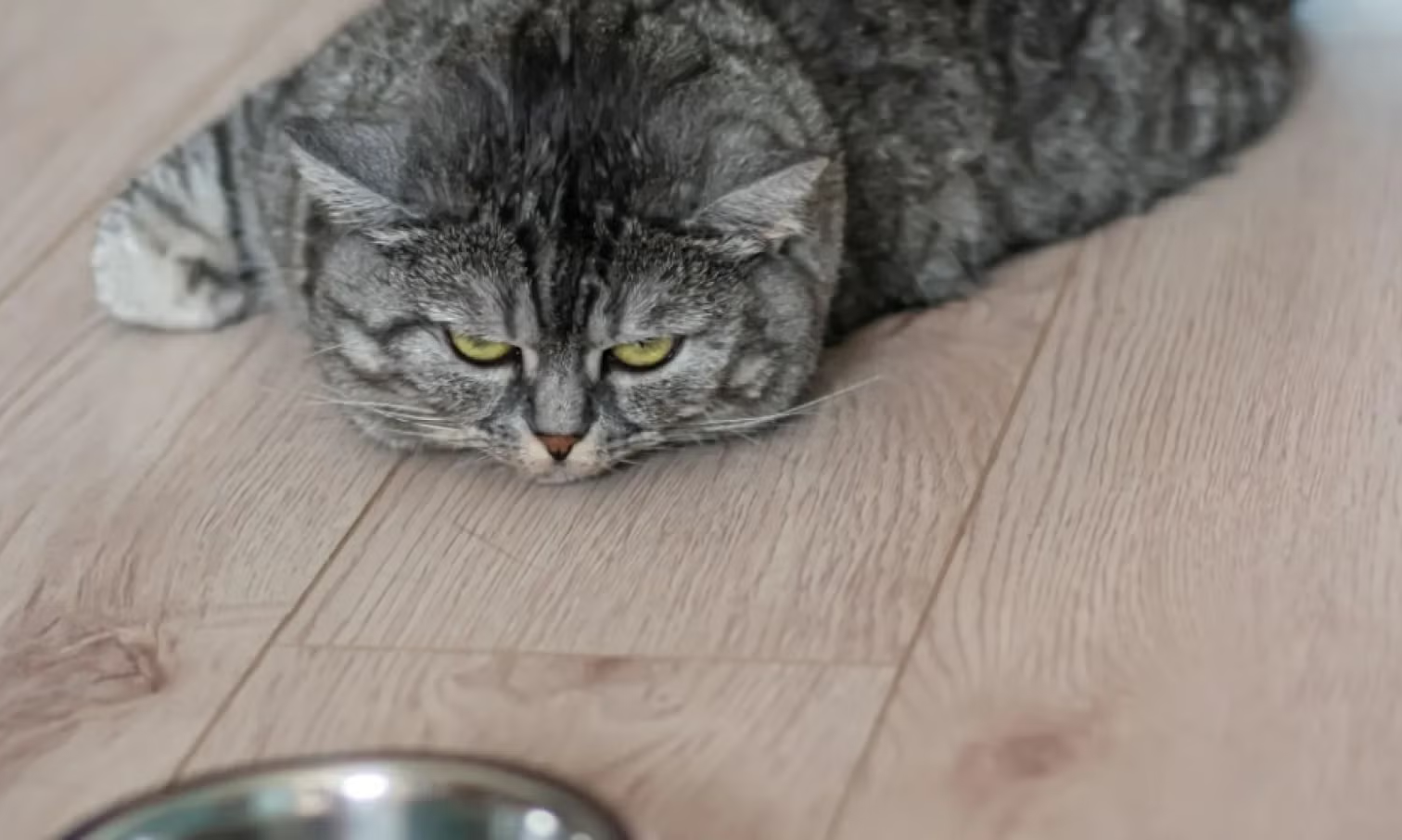
Chronic fecal retention alters the physical structure of the smooth muscle within the colon wall. Continuous stretching from impacted feces damages the local pelvic nerves and disrupts the neuromuscular pathways of the smooth muscle.
Once the colonic smooth muscle loses its ability to contract, the cat can no longer push waste out naturally. This condition, known as idiopathic megacolon, represents the final stage of chronic constipation and often requires surgical removal of the affected colon (subtotal colectomy).
The 5 Primary Etiologies of Feline Constipation
                                [Feline Constipation Pathways]
                                              │
       ┌──────────────┬───────────────────────┼───────────────────────┬──────────────┐
       ▼              ▼                       ▼                       ▼              ▼
 [Dehydration]  [Skeletal Pain]      [Systemic Disease]          [Hairballs]   [Litter Box Aversion]
 Decreased GI    Osteoarthritis       CKD induces severe          Trichobezoar  Behavioral retention
 moisture.       prevents squatting.  systemic dehydration.       impaction.    hardens stools.
1. Metabolic Dehydration and Dietary Composition
Cats have a low natural thirst drive because their ancestors evolved to get most of their hydration from raw prey. When fed exclusively on dry kibble (which contains only $6\text{ to }10\%$ moisture) without sufficient fresh water intake, cats live in a state of mild, chronic dehydration. The body compensates by pulling extra water from the large intestine, drying out the stool. Furthermore, diets that are low in soluble fiber reduce the gut’s natural muscle movements (peristalsis), slowing down waste transit.
2. Chronic Systemic Diseases (CKD & IBD)
-
Chronic Kidney Disease (CKD): Damaged kidneys lose the ability to concentrate urine, leading to excessive urination (polyuria). To protect circulating blood volume, the body pulls moisture from the colon, making CKD cats highly prone to severe constipation.
-
Inflammatory Bowel Disease (IBD): Continuous inflammation infilatrates the gut wall with immune cells, disrupting the smooth muscle contractions needed to move food along.
3. Geriatric Osteoarthritis and Mechanical Obstructions
Older cats frequently suffer from osteoarthritis in the hips, stifles, and lower back. The physical act of posturing to defecate (squatting) places intense mechanical stress on these painful joints. To avoid this pain, geriatric cats will hold their stool for days. This behavioral delay allows the colon to pull more water out of the waste, making it harder and more painful to pass when they finally try. This retention can also cause the anal sacs to fill and inflame (anal sacculitis), blocking the pelvic canal.
4. Trichobezoar Impaction (Hairballs)
During grooming, a cat’s rough tongue hooks loose hair, which is then swallowed. While small amounts pass easily, cats with long coats or those that over-groom due to stress or allergies can swallow massive volumes of fur. When this hair mixes with drying stool in the large intestine, it forms a solid, unyielding plug (trichobezoar) that blocks normal elimination.
5. Behavioral Environmental Aversion
Because cats are highly clean animals, a dirty, foul-smelling, or poorly placed litter box causes significant stress. If a cat feels unsafe or uncomfortable using its box, it will suppress the urge to eliminate. Holding stool in this way allows the colon to continuously extract water, turning an environmental issue into a physical impaction.
Clinical Signs and Diagnostic Markers
Identifying constipation early prevents temporary issues from turning into permanent colon damage.
Behavioral and Physical Signs
-
Tenesmus and Dyschezia: Cats will spend a long time in the litter box, straining intensely while crying out or yowling in pain.
-
Scybalous Stools: Any waste produced consists of small, rock-hard, dark nuggets, occasionally streaked with fresh blood (hematochezia) or mucus from intense straining.
-
Paradoxical Diarrhea: Liquid stool may leak around a hard fecal impaction, confusing owners into thinking the cat has diarrhea when it is actually severely constipated.
Clinical Diagnostic Framework
To check the severity of an impaction, veterinarians use specific diagnostic procedures:
[Abdominal Palpation: Detects Firm Masses] ──► [Digital Radiography: Measures Colon Diameter] ──► [Biochemical Profile: Checks Kidney Function]
-
Abdominal Palpation: Feeling the abdomen reveals firm, sausage-like structures within the colon canal.
-
Digital Radiography: Abdominal X-rays confirm the size and density of the blockage. If the width of the colon is larger than the length of the cat’s seventh lumbar vertebra ($L7$), it strongly suggests megacolon.
-
Biochemical Profile: Blood tests measure Blood Urea Nitrogen (BUN) and Creatinin levels to rule out underlying kidney disease or electrolyte imbalances like low potassium (hypokalemia) or high calcium (hypercalcemia), both of which slow down gut motility.
Integrated Therapeutic and Preventative Protocols
                      [Multimodal Management Strategy]
                                     │
         ┌───────────────────────────┼───────────────────────────┐
         ▼                           ▼                           ▼
[Dietary Hydration]         [Medical Prokinetics]       [Environmental Engineering]
├── Transition to Wet Food  ├── Soluble Fiber Blend     ├── N+1 Litter Box Policy
└── Water Fountain Setup    └── Osmotic Laxatives       └── Low-sided Senior Boxes
1. Advanced Nutritional Hydration
-
The Wet Food Transition: Switch the cat completely to high-moisture canned diets ($>75\%$ moisture). This simple change significantly increases overall water intake, bypassing the cat’s weak thirst drive.
-
Targeted Fiber Balance: Introduce diets enriched with soluble fiber (like psyllium husks or inulin), such as PRO PLAN Adult Sensitive Skin & Stomach Salmon Tuna. Soluble fiber draws water back into the colon, softening the stool and gently stimulating gut movement, while protecting sensitive digestion.
2. Medical Management
-
Osmotic Laxatives: Lactulose or polyethylene glycol 3350 (PEG 3350) are commonly prescribed. These non-absorbable compounds stay in the gut and hold onto water, keeping the stool soft.
-
Prokinetic Agents: Medications like Cisapride help stimulate the smooth muscles of the colon, restoring healthy movement in cats with early-stage muscle weakness.
-
Hairball Management: Regular use of petrolatum-based lubricants helps coat swallowed hair, allowing it to slide through the digestive tract safely.
3. Environmental and Stress Management
-
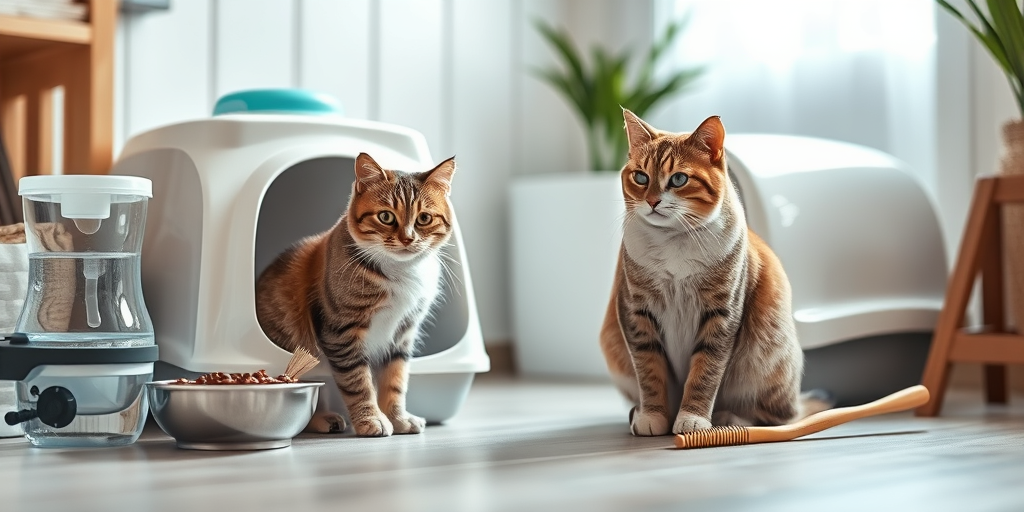
The $N+1$ Litter Box Rule: Keep the number of litter boxes equal to the number of cats plus one, distributed in quiet, accessible areas to prevent territory guarding.
-
Senior Access Modification: For older cats with arthritis, use boxes with very low entry sides so they can enter and exit without painful jumping. Clean the boxes twice daily to ensure they remain appealing.
Clinical Protocol Summary Matrix
| Cause | Clinical Marker | Diagnostic Test | Primary Treatment |
| Chronic Dehydration | Hard scybala, dry mucous membranes | Urine Specific Gravity ($USG > 1.050$) | Transition to 100% wet food + introduce water fountains. |
| Chronic Kidney Disease | Polyuria, polydipsia, weight loss | Blood chemistry panel (Elevated BUN/Creatinine) | Subcutaneous fluid therapy + dietary phosphorus binders. |
| Osteoarthritis | Hesitation to jump, crying in the litter box | Abdominal/Spinal Radiographs | Targeted pain relief (e.g., NSAIDs, Solensia) + low-sided litter boxes. |
| Trichobezoar Impaction | Matted coat, vomiting hair/feces mixtures | Abdominal X-ray or Ultrasound | Regular brushing + petrolatum-based laxative pastes. |
| Litter Box Aversion | Defecating outside the box, holding stool | Behavioral assessment | Apply $N+1$ Box Formula + switch to unscented litter. |
FAQ
1. What causes constipation in cats?
Constipation in cats occurs when stool moves too slowly through the colon, allowing excessive water to be absorbed from the feces. This turns normal stool into hard, dry masses that are difficult to pass. Common causes include chronic dehydration, low-moisture diets, kidney disease, inflammatory bowel disease, arthritis-related pain, hairball impaction, and litter box aversion.
2. Why are cats prone to constipation?
Cats naturally have a low thirst drive because they evolved to obtain much of their water from prey. When they consume mostly dry food and do not drink enough water, their bodies compensate by extracting more moisture from the colon. This makes stool dry and hard, increasing the risk of constipation.
3. What happens inside a constipated cat’s colon?
When stool remains in the colon for too long, the colon continues absorbing water from it. Over time, the stool becomes compacted into hard fecal masses called scybala. If this process continues repeatedly, the colon can stretch, weaken, and lose its ability to contract normally, potentially leading to megacolon.
4. What is feline megacolon?
Megacolon is a severe condition in which the colon becomes abnormally enlarged and loses its ability to push stool out effectively. It often develops as the final stage of chronic constipation after long-term stretching damages the smooth muscle and nerves of the colon. In advanced cases, surgery may be required.
5. What are the most common causes of constipation in cats?
The most common causes include dehydration, exclusive dry-food diets, chronic kidney disease, inflammatory bowel disease, arthritis that makes defecation painful, hairball impaction, obesity, pelvic injuries, and litter box avoidance caused by stress or poor box conditions.
6. Can dry food contribute to constipation in cats?
Yes. Dry food contains very little moisture compared with canned or wet food. If a cat eats mostly kibble and does not compensate by drinking enough water, the body may draw more fluid from the colon, leading to harder stools and a higher risk of constipation.
7. Is dehydration one of the main causes of constipation in cats?
Yes. Dehydration is one of the biggest drivers of constipation because the colon’s job is to conserve water. When the body is short on fluid, it pulls even more moisture from the stool, making it dry, dense, and difficult to pass.
8. How does chronic kidney disease increase constipation risk?
Cats with chronic kidney disease often urinate excessively because damaged kidneys cannot concentrate urine properly. This fluid loss can cause systemic dehydration, which leads the body to absorb extra water from the colon. As a result, stools become hard and constipation becomes more likely.
9. Can inflammatory bowel disease affect bowel movements?
Yes. Inflammatory bowel disease can disrupt normal intestinal motility and interfere with the smooth muscle contractions needed to move waste through the digestive tract. Chronic inflammation may contribute to irregular stool passage, discomfort, and constipation in some cats.
10. Why does arthritis cause constipation in older cats?
Defecating requires a cat to squat, and that posture can be painful for cats with arthritis in the hips, knees, spine, or pelvis. To avoid discomfort, an arthritic cat may delay bowel movements, which gives the colon more time to absorb water from the stool and makes the stool harder.
11. Can hairballs cause constipation?
Yes. Swallowed hair can combine with stool inside the intestines and form a dense plug, especially in long-haired cats or cats that over-groom. This can slow stool passage or create a partial blockage that contributes to constipation.
12. What is a trichobezoar?
A trichobezoar is a compact mass of swallowed hair, often referred to as a hairball. While hairballs are commonly associated with vomiting, excessive hair accumulation can also contribute to constipation if the hair mixes with feces in the colon and forms a hard obstruction.
13. Can stress or litter box issues cause constipation?
Yes. Cats may hold their stool if they dislike the litter box, feel unsafe using it, or are stressed by competition from other pets. Dirty litter boxes, strong odors, poor placement, covered boxes, or social tension in multi-cat households can all lead to stool retention and constipation.
14. What are the early signs of constipation in cats?
Early signs include straining in the litter box, spending a long time trying to defecate, passing very small hard stools, producing stool less frequently than normal, vocalizing while trying to poop, reduced appetite, abdominal discomfort, and occasional vomiting.
15. What does constipated cat stool look like?
Constipated stool is often small, hard, dry, dark, and pellet-like. Some cats may pass only tiny pieces, while others may produce stool streaked with mucus or a small amount of fresh blood because of irritation from straining.
16. How can I tell if my cat is constipated or has diarrhea?
Constipation usually involves straining with little or no stool production, hard pellet-like stool, or long periods in the litter box. However, severely constipated cats may leak liquid stool around a hard blockage, which can look like diarrhea. This is called paradoxical diarrhea and should not be ignored.
17. What is paradoxical diarrhea in constipated cats?
Paradoxical diarrhea happens when liquid stool or mucus leaks around a hard fecal impaction. It can mislead owners into thinking the cat has diarrhea, when the real problem is severe constipation or a partial blockage.
18. How long can a cat go without pooping before it becomes a problem?
If a cat has not passed stool for more than 48 hours, especially if it is straining, vomiting, hiding, or refusing food, the situation should be taken seriously. A complete inability to pass stool or urine, or signs of pain and lethargy, warrant urgent veterinary evaluation.
19. When is constipation in cats an emergency?
Constipation becomes an emergency when the cat repeatedly strains without producing stool, vomits frequently, becomes lethargic, stops eating, cries in pain, develops a swollen abdomen, or may actually have a urinary blockage rather than a bowel problem. These situations require prompt veterinary care.
20. Can constipation make a cat vomit?
Yes. Severe constipation can cause nausea, abdominal discomfort, and pressure within the digestive tract, which may trigger vomiting. Vomiting combined with straining or lack of stool is a strong reason to contact a veterinarian.
21. Why do constipated cats stop eating?
A backed-up colon can cause nausea, abdominal pressure, discomfort, and a general feeling of fullness. Cats may lose interest in food because the digestive tract is not moving normally and the buildup of waste makes them feel unwell.
22. How do veterinarians diagnose constipation in cats?
Veterinarians usually begin with a physical exam and abdominal palpation to feel for firm stool in the colon. They may also use X-rays to assess stool burden and colon size, blood tests to look for kidney disease or electrolyte problems, and sometimes additional tests such as ultrasound if an obstruction or underlying disease is suspected.
23. What does an abdominal X-ray show in a constipated cat?
An abdominal X-ray can reveal how much stool is present, whether the colon is enlarged, and whether there is evidence of megacolon, obstruction, pelvic narrowing, or other structural abnormalities. It helps determine how severe the constipation is and whether more aggressive treatment is needed.
24. What blood tests may be recommended for a constipated cat?
Bloodwork may be used to check kidney values, hydration status, calcium levels, potassium levels, and other metabolic markers. These tests help identify underlying causes such as chronic kidney disease, dehydration, or electrolyte disturbances that can affect bowel motility.
25. What is the usual treatment for mild constipation in cats?
Mild constipation may be managed with increased hydration, a switch to wet food, improved water intake, veterinary-approved stool softeners or osmotic laxatives, better litter box access, and treatment of underlying issues such as pain, stress, or hairball buildup.
26. Should I switch a constipated cat to wet food?
Wet food is often helpful because it significantly increases moisture intake compared with dry kibble. For many cats, a higher-moisture diet can soften stool, improve hydration, and reduce the risk of repeated constipation episodes.
27. How does wet food help constipated cats?
Wet food contains a high percentage of water, which supports overall hydration and helps keep stool softer. This can make bowel movements easier to pass and reduce the colon’s tendency to pull excessive moisture from the stool.
28. Can adding water fountains help prevent constipation?
Yes. Many cats drink more from running water sources than from still bowls. Water fountains, multiple water stations, and fresh clean water placed around the home can encourage better hydration and help reduce constipation risk.
29. Does fiber help cats with constipation?
Fiber can help some constipated cats, but the type of fiber matters. Soluble fiber can draw water into the stool and support smoother passage, while certain fiber strategies may not be ideal for every cat. The best approach depends on the cat’s hydration status, underlying disease, and type of constipation.
30. What kind of fiber is often used for constipated cats?
Soluble fiber sources such as psyllium or certain prebiotic fibers are sometimes used to help retain water in the stool and support bowel motility. However, fiber should be used carefully and ideally under veterinary guidance, especially if the cat is severely constipated or dehydrated.
31. What medications are used for feline constipation?
Veterinarians may prescribe osmotic laxatives such as lactulose or polyethylene glycol to keep stool soft. In some cases, they may also use prokinetic medications that stimulate the colon to move stool more effectively, especially in cats with recurrent motility issues.
32. What is lactulose and why is it used?
Lactulose is an osmotic laxative that helps draw water into the colon, softening stool and making it easier to pass. It is commonly used in cats with constipation but should only be given under veterinary guidance to ensure the dose is appropriate.
33. What is polyethylene glycol and can cats use it?
Polyethylene glycol, commonly known as PEG 3350, is another osmotic laxative that helps retain water in the stool. Veterinarians sometimes use it in cats with constipation, but the correct dose should be determined by a professional rather than guessed at home.
34. What are prokinetic medications for cats?
Prokinetic medications are drugs that help stimulate movement in the digestive tract. In cats with poor colonic motility or early megacolon, these medications may be used to encourage the colon to contract and push stool forward more effectively.
35. Can hairball remedies help constipated cats?
They can help if swallowed hair is contributing to the problem. Hairball lubricants, regular brushing, and reducing excessive grooming can decrease the amount of hair entering the digestive tract and lower the chance of hair-related stool impaction.
36. How often should I brush my cat to reduce constipation from hairballs?
Long-haired cats and heavy shedders usually benefit from frequent brushing, sometimes daily during shedding seasons. Regular grooming reduces the amount of hair swallowed and can lower the risk of both vomiting hairballs and constipation from hair accumulation.
37. Can obesity increase the risk of constipation?
Yes. Obesity can reduce physical activity, worsen arthritis, and make grooming more difficult. All of these factors can contribute to constipation by slowing movement, increasing discomfort, and allowing more hair to accumulate.
38. Why is exercise important for bowel health in cats?
Movement helps stimulate gastrointestinal motility. Cats that are inactive, overweight, or sedentary may have slower intestinal transit, so regular play and physical activity can be part of a constipation prevention strategy.
39. How many litter boxes should a cat household have?
A common guideline is one litter box per cat plus one extra. This helps reduce territorial stress, prevents access problems, and makes it less likely that a cat will hold stool because a box is dirty, blocked, or socially unsafe to use.
40. What litter box setup is best for a constipated or senior cat?
Senior or arthritic cats often do better with large boxes that have low entry sides for easy access. Boxes should be placed in quiet, low-stress areas, cleaned frequently, and filled with a litter the cat is comfortable using.
41. Can constipation be caused by a dirty litter box?
Yes. Cats are very sensitive to litter box cleanliness. If the box is dirty, smells bad, or feels unpleasant to use, some cats will avoid it and delay elimination, which can worsen constipation.
42. What are the signs of megacolon in cats?
Signs of megacolon include chronic or recurrent constipation, repeated straining, infrequent bowel movements, large stool burdens seen on X-rays, weight loss, poor appetite, vomiting, and a colon that becomes progressively less able to empty on its own.
43. Can megacolon be treated without surgery?
Some cats with early or moderate megacolon can be managed with aggressive hydration, wet food, laxatives, prokinetic medications, and close veterinary monitoring. However, severe or irreversible megacolon may eventually require surgical treatment if the colon can no longer function.
44. What is subtotal colectomy?
Subtotal colectomy is a surgery in which most of the diseased colon is removed. It is sometimes performed in cats with severe megacolon that no longer responds to medical management. The goal is to remove the nonfunctional section of colon so the cat can pass stool more normally.
45. Can constipation in cats come back after treatment?
Yes. Constipation often recurs if the underlying cause is not addressed. Cats with chronic dehydration, kidney disease, arthritis, stress, megacolon, or ongoing hairball issues may need long-term management rather than one-time treatment.
46. How can I help prevent constipation in my cat at home?
The most effective prevention strategies include feeding a moisture-rich diet, improving water intake, maintaining a healthy weight, grooming regularly, providing enough clean litter boxes, minimizing stress, monitoring stool habits, and managing chronic conditions such as arthritis or kidney disease.
47. Should I monitor my cat’s litter box habits closely?
Yes. Changes in stool frequency, stool consistency, straining, or litter box behavior are often the earliest warning signs of constipation. Monitoring these habits can help you catch problems before they become severe.
48. Can constipation be confused with a urinary blockage?
Yes, and this is extremely important. Cats with urinary blockages also strain in the litter box and may cry, lick themselves, hide, or produce little output. Because urinary blockage is a life-threatening emergency, any cat straining repeatedly without producing normal urine or stool should be evaluated immediately.
49. Is chronic constipation more common in older cats?
Yes. Older cats are more likely to develop constipation because they have a higher risk of dehydration, chronic kidney disease, reduced mobility, arthritis, and other age-related conditions that interfere with normal bowel movements.
50. What is the biggest mistake owners make with a constipated cat?
One of the biggest mistakes is waiting too long and assuming the problem will resolve on its own. Repeated or prolonged constipation can stretch and damage the colon, making the condition harder to treat over time. Early intervention is important to prevent chronic complications such as megacolon.