
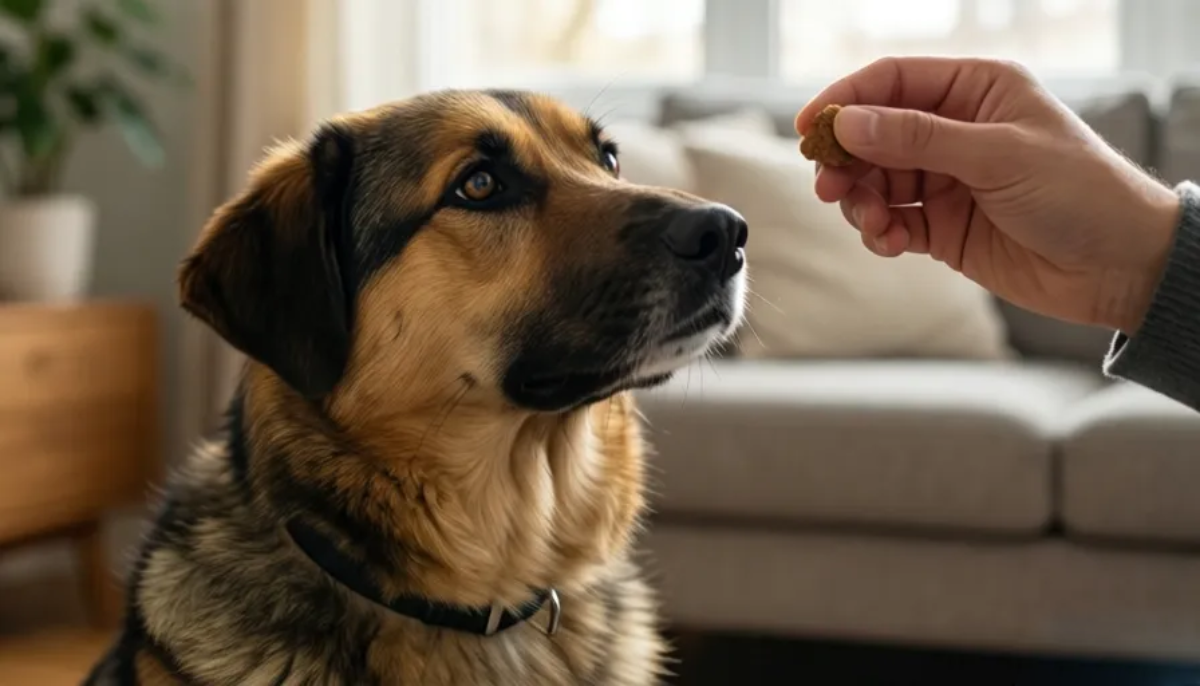
Whether you are bringing home a new puppy or working with a seasoned rescue, the foundation of a happy life together is communication. But to communicate with a dog, you first have to understand how they process information. Dogs aren’t born knowing that “Sit” means “put your bottom on the floor”; they learn it through a sophisticated process of associations and outcomes.
Here is everything you need to know about the basic principles of dog training and how to build a successful learning environment.
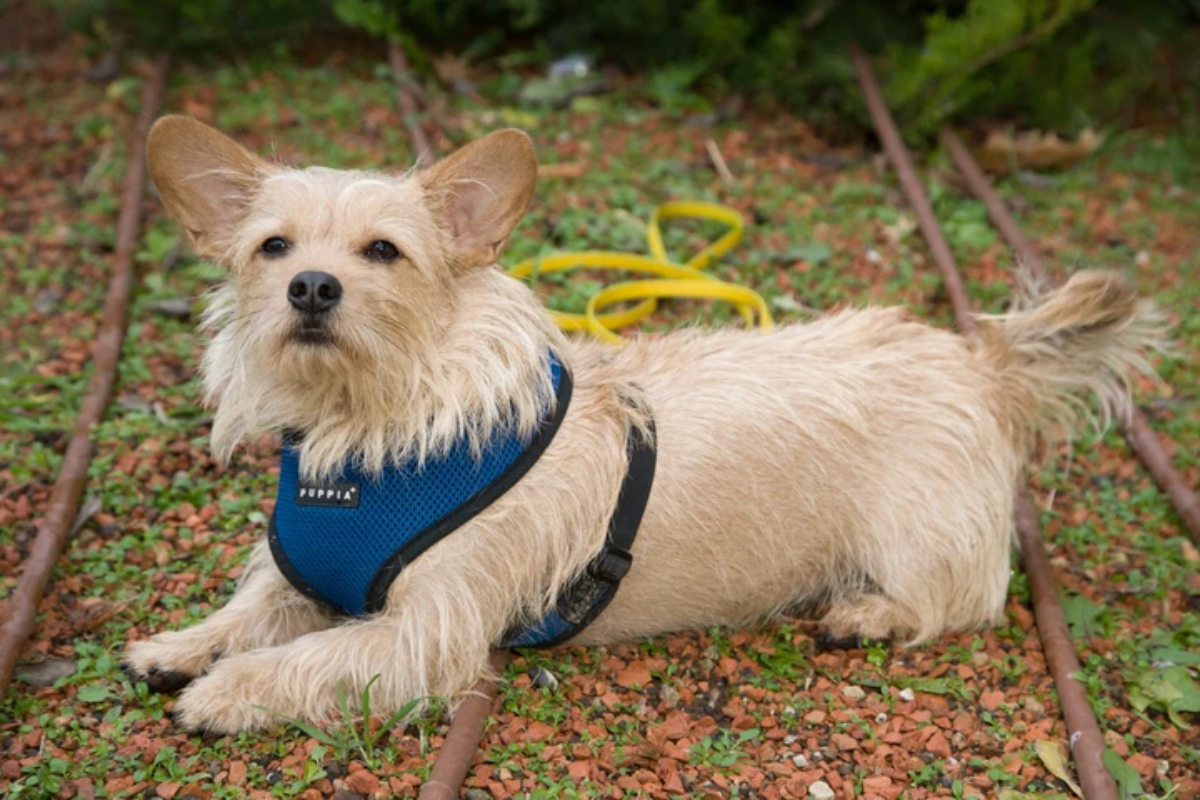
The Core Mechanics: How Dogs Process Information
At its heart, dog training is about predictability. Dogs are opportunistic creatures constantly trying to predict what will happen next so they can secure the best possible outcome.
Associative Learning
Dogs primarily learn through Associative Learning, which is broken down into two main categories:
-
Classical Conditioning: This is about feelings and involuntary responses. It’s the “Pavlov’s Dog” effect—if the doorbell always means a guest is arriving, the dog eventually gets excited just by the sound of the bell.
-
Operant Conditioning: This is about choices and consequences. The dog learns that their action (sitting) causes a specific result (getting a treat).
The Power of Choice
Modern training emphasizes choice. When a dog “chooses” to perform a behavior because they know a reward is coming, the learning is much deeper and more resilient than if they are forced or intimidated into a position.
Setting the Stage for Success
To train a dog successfully, you need more than just treats; you need a strategy.
Consistency and Timing
Dogs live in the “now.” If your dog sits and you wait five seconds to reward them, they might have already looked away or scratched their ear. In their mind, they just got rewarded for scratching, not sitting. Aim for a one-second window between the behavior and the reward.
Motivation and Engagement
Identify your dog’s “currency.” For some, it’s a piece of boiled chicken; for others, it’s a high-energy game of tug. The higher the motivation, the faster the learning.
Generalization
Dogs are literal. If you teach them to “Stay” in your quiet living room, they might not realize the command also applies at a busy park. You must “generalize” behaviors by practicing in different environments with varying levels of distraction.
Essential Skills Every Dog Should Know
While tricks are fun, these basic signals are the pillars of safety and co-habitation:
-
Recall (Come/Here): The most important safety command. It should always be associated with the highest-value rewards.
-
Loose Leash Walking: Teaching the dog that tension on the leash stops forward progress, while a loose leash means “we go.”
-
Vet Visit Preparation: Desensitizing your dog to being handled (paws, ears, mouth) makes medical check-ups stress-free for everyone.
Professional Tip: The “Baby Steps” Approach
One of the biggest mistakes owners make is moving too fast. If your dog is struggling, use the Step Back method:
-
Criteria: Only change one thing at a time (e.g., increase the distance or the duration of a “Stay,” but not both at once).
-
Feasibility: If the dog fails three times in a row, the task is too hard. Go back to a simpler version where they can succeed.
-
End on a High Note: Always finish a training session after a successful repetition. This leaves the dog with a positive memory of the exercise.
Reading the Room: Stress and Body Language
Training should be fun, but it is also mentally exhausting. Watch for your dog’s Stress Signals:
-
Excessive yawning or lip licking.
-
Turning the head away (avoidance).
-
“Whale eye” (showing the whites of the eyes).
If you see these signs, it’s time to end the session. Short, frequent sessions (5 minutes, 3 times a day) are much more effective than one long, grueling hour.
Conclusion: A Partnership Built on Trust
Dog training is not about “dominance”; it is about cooperation. By prioritizing rewards and staying predictable, you aren’t just teaching a dog to follow signals—you are building a lifelong bond based on mutual respect and joy.
Frequently Asked Questions (FAQ)
1. What is the best method for dog training?
The most effective method is positive reinforcement, where good behavior is rewarded with treats, praise, or play. This encourages dogs to repeat desired actions.
2. How do dogs learn commands?
Dogs learn through associative learning, especially operant conditioning, where their actions lead to consequences such as rewards or no rewards.
3. How long should training sessions be?
Training sessions should be short and focused—around 5 to 10 minutes, repeated multiple times a day for better results.
4. Why is timing important in dog training?
Dogs live in the moment, so rewards must be given immediately (within 1–2 seconds) after the desired behavior to avoid confusion.
5. What is positive reinforcement in dog training?
It is a method where you reward behaviors you want to encourage, making it more likely your dog will repeat them.
6. Why does my dog not respond to commands?
Common reasons include distractions, lack of consistency, unclear training, or low motivation.
7. What are the most important commands to teach a dog?
Essential commands include:
- Sit
- Stay
- Come (recall)
- Down
- Heel (loose leash walking)
8. How can I improve my dog’s focus during training?
Train in a quiet environment, use high-value rewards, and gradually increase distractions as your dog improves.
9. What is generalization in dog training?
Generalization means teaching your dog to perform the same command in different environments, not just one location.
10. How do I know if my dog is stressed during training?
Signs include yawning, lip licking, avoiding eye contact, or showing the whites of their eyes (whale eye).
11. Should I punish my dog for bad behavior?
No. Punishment can create fear and damage trust. Focus on redirecting behavior and rewarding positive actions.
12. How long does it take to train a dog?
Basic obedience can take a few weeks, but full training and behavior shaping is an ongoing process.