
The Ultimate Feline Health & Breed Guide: From Internal Wellness to the Aegean National Treasure
2 months ago · Updated 2 months ago
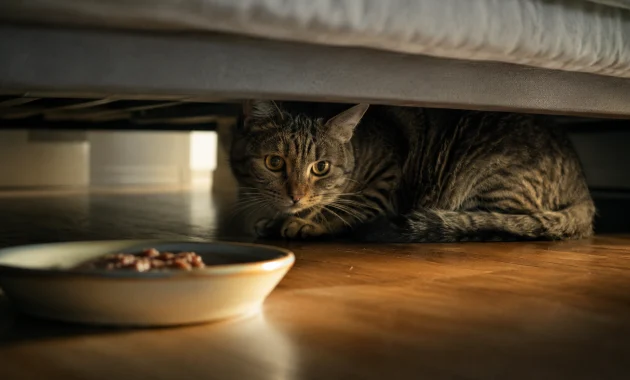
To understand a cat is to understand a creature of secrets. Unlike dogs, who might whimper or pace when they feel unwell, cats are evolutionarily hardwired to hide their vulnerabilities. In the wild, a sick cat is a target; in your home, that same instinct means a cat in pain will simply tuck themselves away under a bed or behind a sofa.
As a dedicated pet parent, the responsibility of "decoding" your cat falls on you. This 5,000-word manual serves as your definitive resource for navigating three critical pillars of feline care: identifying the silent signals of abdominal pain, managing the life-threatening risks of anorexia, and understanding the rare, water-loving Aegean cat. Whether you are dealing with a medical emergency or a routine grooming session, this guide provides the expert insight needed to ensure your cat lives a long, painless life.

The Anatomy of Discomfort – Abdominal Pain in Cats
1.1 The "Acute Abdomen" Defined
In the veterinary world, "abdominal pain" is a broad umbrella term. The abdomen isn't just a stomach; it is a complex "engine room" containing the liver, kidneys, spleen, pancreas, gallbladder, and the intricate winding of the intestinal tract. When a cat experiences an "acute abdomen," it means there is a sudden, severe onset of pain originating from one of these vital systems.
1.2 Common Causes: From Hairballs to Emergencies
Abdominal pain can range from mild gas to surgical emergencies.
Gastrointestinal Obstructions: Cats are notorious for playing with "linear foreign bodies" like yarn, dental floss, or rubber bands. If swallowed, these can cause the intestines to "bunch up," leading to a perforation.
Pancreatitis & Triaditis: The feline anatomy is unique. The pancreatic duct and the bile duct often share a single exit into the small intestine. This means inflammation in one often spreads to the other two—a painful triple-threat known as Triaditis (inflammation of the liver, pancreas, and intestines).
Urinary Obstructions: Particularly in male cats, crystals can block the urethra. This causes the bladder to expand to the point of rupture, a condition that is excruciatingly painful and fatal within 24 to 48 hours without intervention.
1.3 How to Spot the "Silent" Symptoms
Because they won't cry out, you must look for the "Prayer Position." This is when a cat hunches with their front paws low to the ground but keeps their rear end elevated. This shift in posture is a desperate attempt to take the weight of their organs off the inflamed lining of their belly.
Abdominal Tensing: When you touch their belly, the muscles feel rock-hard.
Vocalizing: Intense yowling, especially while in the litter box or when being picked up.
Lethargy: A total lack of interest in toys or social interaction.
- 1.1 The "Acute Abdomen" Defined
- 1.2 Common Causes: From Hairballs to Emergencies
- 1.3 How to Spot the "Silent" Symptoms
- 1. Why do cats hide signs of pain?
- 2. What is an “acute abdomen” in cats?
- 3. What causes abdominal pain in cats?
- 4. What is a linear foreign body?
- 5. What is Triaditis in cats?
- 6. Why are urinary blockages dangerous in male cats?
- 7. What are the warning signs of abdominal pain in cats?
- 8. What is feline anorexia?
- 9. What is pseudo-anorexia?
- 10. Why is it dangerous when cats stop eating?
- 11. How long can a cat safely go without food?
- 12. What is Hepatic Lipidosis?
- 13. What are the symptoms of Fatty Liver Disease in cats?
- 14. How can I encourage a sick cat to eat?
- 15. What is special about the Aegean cat breed?
- 16. Do Aegean cats really like water?
- 17. Why is nail trimming important for indoor cats?
- 18. How do I safely trim my cat’s nails?
- 19. What should I expect during a veterinary diagnostic exam?
- 20. How can preventive care reduce abdominal problems in cats?
Feline Anorexia – A Race Against Time
2.1 The Difference Between Won't Eat and Can't Eat
Pet owners often use the term "finicky," but true Anorexia (complete loss of appetite) is a medical emergency.
True Anorexia: The cat has no desire for food. This usually signals systemic issues like kidney failure, cancer, or fever.
Pseudo-Anorexia: The cat wants to eat but stops because of pain. This is common in the Aegean cat or other breeds suffering from dental disease or mouth ulcers.
2.2 The 48-Hour Warning: Hepatic Lipidosis
Cats possess a unique and dangerous metabolic quirk. When a cat stops eating, their body rapidly mobilizes fat stores to send to the liver for energy. However, the feline liver is inefficient at processing this fat. It quickly becomes "clogged," leading to Hepatic Lipidosis (Fatty Liver Disease).
Warning: If an adult cat goes 48 hours without a full meal, they are at risk for liver failure. Symptoms include Jaundice (yellowing of the eyes and gums) and extreme drooling.
2.3 Stimulating a Sick Cat’s Appetite
While waiting for a vet appointment, you can try:
Aromatic Warming: Heat wet food to exactly 38°C (body temperature) to unlock the fats and scents that trigger a cat's hunting instinct.
Texture Variety: Some cats prefer "pate" while others need "gravy."
Appetite Stimulants: Modern medicine offers miracles like Mirtazapine (an ointment applied to the ear) that can chemically jumpstart the hunger drive.
Meet the Aegean – The National Treasure of Greece
3.1 A Natural Breed in a Synthetic World
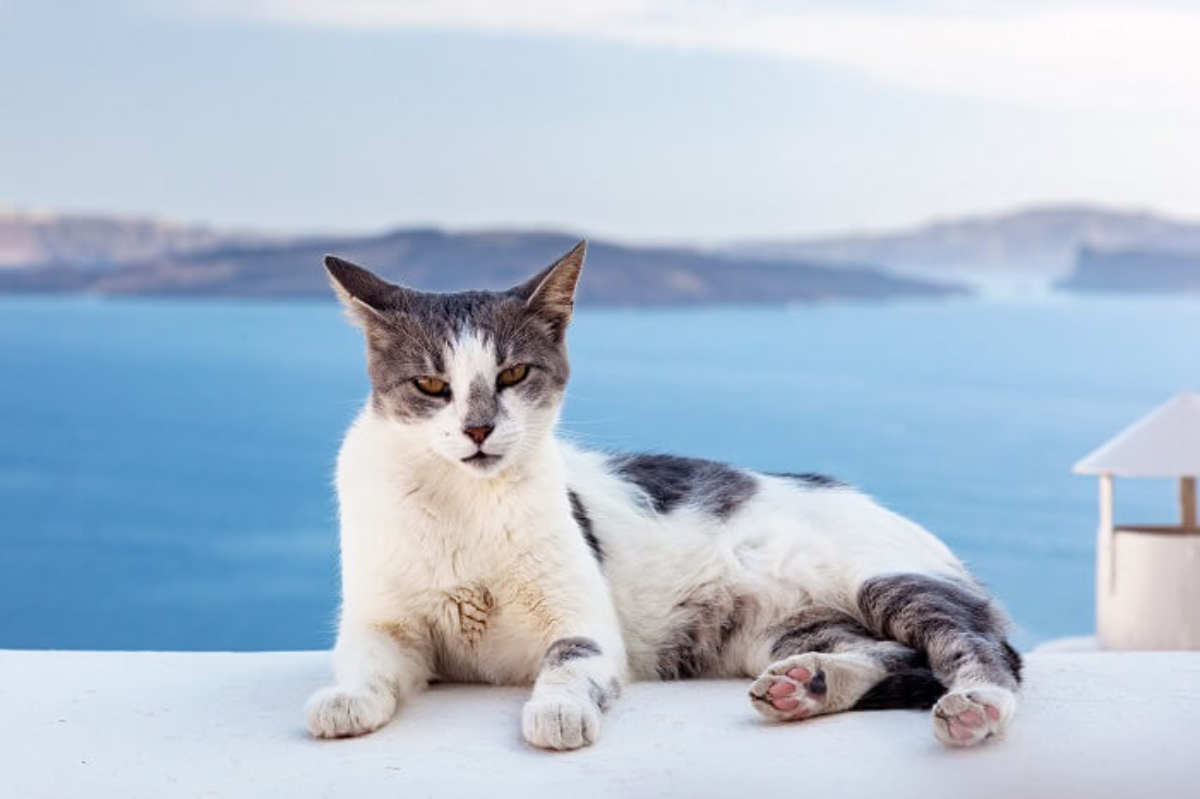
The Aegean cat is a rarity. Unlike the Persian or the Siamese, the Aegean is a "natural breed." This means it developed through natural selection on the Cycladic Islands of Greece over thousands of years, without human engineering.
3.2 Distinctive Traits of the Aegean
The Water Connection: Because they evolved alongside Greek fishermen, Aegeans are one of the few breeds that genuinely enjoy water. Don't be surprised to find them "fishing" in your sink or bathtub.
Coat and Color: They are semi-long-haired with a soft undercoat that they shed in the summer. They are almost always bicolor or tricolor, with white as the dominant base color.
Intelligence: These are high-energy, social, and "talkative" cats. They are not "lap ornaments"; they are active hunters who require mental stimulation.
The Art of Feline Maintenance (Grooming & Prevention)
4.1 Why We Trim: More Than Just Furniture Protection
Trimming a cat's nails isn't just about saving your sofa. For indoor cats, nails that aren't worn down naturally can curl and grow into the sensitive paw pad, causing infection.
4.2 The Stress-Free Trimming Protocol
The Massage: Spend days just touching their paws while they are relaxed.
The Extension: Gently press the center of the paw pad to reveal the claw.
Finding the "Quick": Look for the pink triangle inside the nail. This contains the nerves. Only clip the clear, hooked tip.
The Reward: Always follow a trim with a "high-value" treat, like a piece of plain boiled chicken.
Diagnostic Steps – What to Expect at the Vet
When you bring a cat in for abdominal pain or anorexia, the vet will perform a "Diagnostic Workup":
Palpation: The vet "reads" the organs with their hands, feeling for masses or tension.
Blood Chemistry: Checking for elevated liver enzymes or kidney markers.
Imaging: X-rays are used to find swallowed strings, while Ultrasound is used to look at the texture of the pancreas and liver.
FAQ
1. Why do cats hide signs of pain?
Cats instinctively hide weakness because, in the wild, showing illness could make them vulnerable to predators.
2. What is an “acute abdomen” in cats?
An “acute abdomen” refers to sudden and severe abdominal pain caused by problems affecting organs like the intestines, liver, pancreas, kidneys, or bladder.
3. What causes abdominal pain in cats?
Common causes include:
- Gastrointestinal blockages
- Pancreatitis
- Triaditis
- Urinary obstruction
- Constipation
- Infections
- Swallowed foreign objects
4. What is a linear foreign body?
A linear foreign body is a long object like string, yarn, or dental floss that becomes trapped in the digestive tract and can damage the intestines.
5. What is Triaditis in cats?
Triaditis is the simultaneous inflammation of the pancreas, liver, and intestines, causing severe digestive discomfort and appetite loss.
6. Why are urinary blockages dangerous in male cats?
Male cats have narrow urethras that can become blocked by crystals or mucus, preventing urination and leading to a life-threatening emergency.
7. What are the warning signs of abdominal pain in cats?
Signs include:
- Hunched posture
- The “Prayer Position”
- Vomiting
- Hiding
- Loss of appetite
- Vocalizing
- Aggression when touched
- Lethargy
8. What is feline anorexia?
Feline anorexia is a complete loss of appetite and often indicates a serious medical condition requiring veterinary attention.
9. What is pseudo-anorexia?
Pseudo-anorexia occurs when a cat wants to eat but physically cannot due to pain, dental disease, or swallowing problems.
10. Why is it dangerous when cats stop eating?
Cats can rapidly develop Hepatic Lipidosis (Fatty Liver Disease), a potentially fatal condition caused by fat accumulation in the liver.
11. How long can a cat safely go without food?
Cats should not go longer than 24–48 hours without eating because serious complications may develop quickly.
12. What is Hepatic Lipidosis?
Hepatic Lipidosis is liver dysfunction caused by excessive fat accumulation after prolonged appetite loss.
13. What are the symptoms of Fatty Liver Disease in cats?
Symptoms may include:
- Jaundice
- Drooling
- Weight loss
- Vomiting
- Severe lethargy
- Refusal to eat
14. How can I encourage a sick cat to eat?
Helpful methods include:
- Warming wet food
- Offering strong-smelling foods
- Changing food textures
- Providing a quiet feeding area
- Using veterinary-prescribed appetite stimulants
15. What is special about the Aegean cat breed?
The Aegean cat is a rare natural breed from Greece known for intelligence, sociability, and an unusual love of water.
16. Do Aegean cats really like water?
Yes. Unlike many cat breeds, Aegean cats are known to enjoy playing with water and may even attempt to “fish” in sinks or bathtubs.
17. Why is nail trimming important for indoor cats?
Overgrown nails can curl into the paw pads, cause infections, snag on surfaces, and create painful mobility problems.
18. How do I safely trim my cat’s nails?
Trim only the clear hooked tip of the nail while avoiding the pink “quick,” which contains nerves and blood vessels.
19. What should I expect during a veterinary diagnostic exam?
Veterinarians may perform:
- Physical examinations
- Abdominal palpation
- Blood chemistry tests
- X-rays
- Ultrasound imaging
20. How can preventive care reduce abdominal problems in cats?
Proper nutrition, hydration, grooming, regular vet visits, and preventing access to dangerous objects can significantly reduce the risk of abdominal emergencies.