The Abyssinian Cat: A Complete Guide to the "Miniature Mountain Lion"
2 months ago · Updated 2 months ago
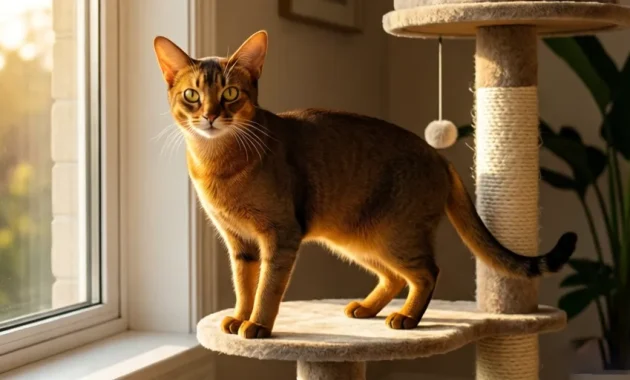
The Abyssinian—or "Aby" as enthusiasts affectionately call them—is often described as the supermodel of the feline world. With their lean, muscular build, large expressive ears, and a coat that shimmers like wild silk, they look as though they just stepped out of an ancient Egyptian mural. But don’t let the regal appearance fool you; behind that sophisticated exterior lies a playful, high-energy athlete with a sense of humor that can rival any circus performer.
If you are considering bringing an Abyssinian into your home, or if you’ve recently been "adopted" by one, this guide explores everything you need to know about this ancient and intelligent breed.
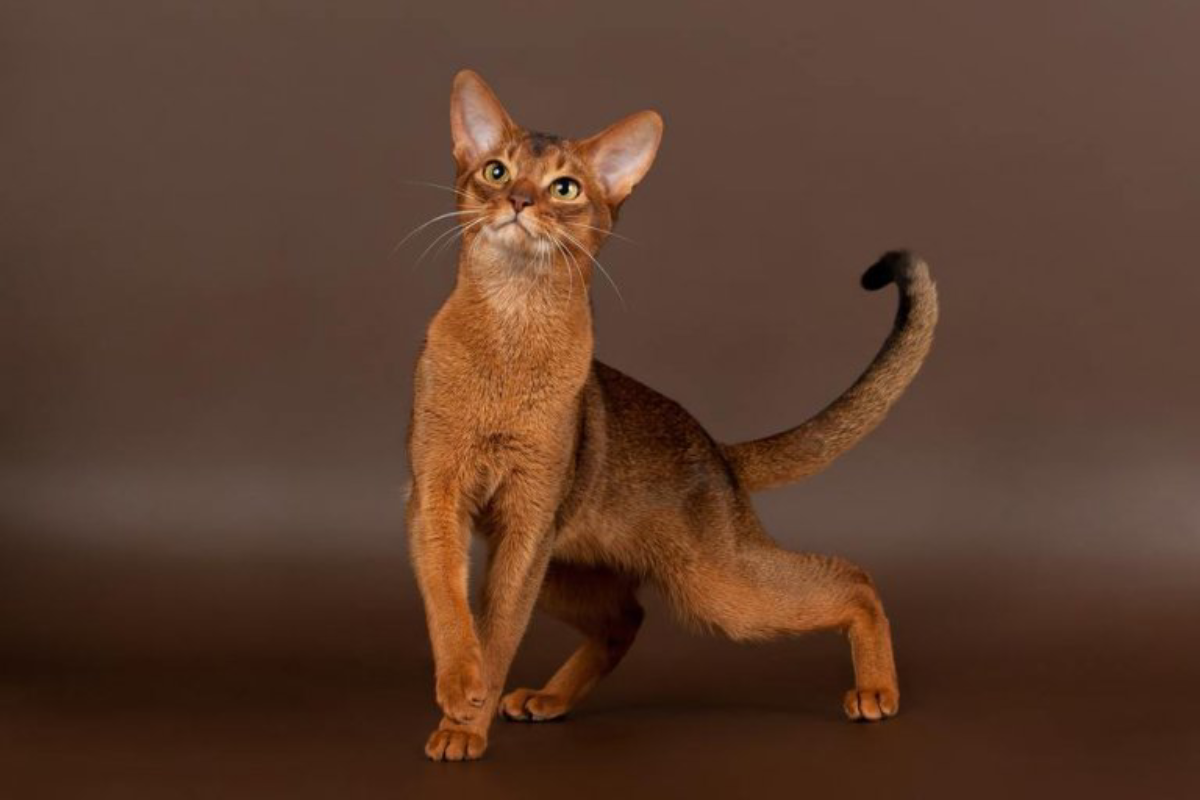
A Look That Commands Attention
The most defining feature of the Abyssinian is its ticked coat. Unlike many cats that have spots, stripes, or solid colors, the Aby possesses a "ticked" or agouti pattern. This means each individual hair is banded with multiple colors, ending in a dark tip. This gives them a shimmering, translucent quality similar to a wild rabbit or a cougar.
The Palette: While the "Ruddy" (a warm reddish-brown) is the most iconic, Abys also come in Cinnamon (sorrel), Blue, and Fawn.
The Build: They are medium-sized cats, but they are incredibly lithe. Their bodies are built for jumping, climbing, and sprinting.
2. Personality: The "Always-On" Companion
If you are looking for a "lap cat" that will sleep for 20 hours a day, the Abyssinian is not for you. These cats are notoriously active. They are often called "busy cats" because they are constantly investigating their surroundings.
Intelligence: They are exceptionally smart. An Aby can learn to open cabinets, turn on faucets, and even play fetch. They thrive on mental stimulation and can be trained to walk on a leash or perform tricks.
Social Life: They love their humans. They don't just want to be in the same room as you; they want to be on you or involved in whatever you are doing. If you’re reading a book, they might sit on the page. If you’re typing, they’ll "help" with the keyboard.
3. Living with an Abyssinian: What to Expect
Living with an Aby is a commitment to activity. To keep them happy and healthy, you need to provide an environment that challenges them.
Vertical Space: Since they are natural-born climbers, tall cat trees and wall shelves are a necessity. An Abyssinian is happiest when looking down at the world from the top of a refrigerator.
Interactive Play: They need daily play sessions. Puzzle feeders and automated toys are great for keeping them occupied when you aren't home.
Hydration: Interestingly, this breed is known for needing significant hydration. Ensuring they have access to fresh, running water (like a pet fountain) and a diet rich in moisture is crucial for their long-term health.
4. Health and Longevity
The Abyssinian is generally a hardy breed with a lifespan often reaching 15 years or more. However, like all purebreds, they have some predispositions.
Gingivitis: They are prone to dental issues, so regular teeth brushing and veterinary dental cleanings are important.
Pyruvate Kinase Deficiency: A genetic condition that can cause anemia. Responsible breeders will test for this.
Renal Amyloidosis: A rare kidney condition that can be found in certain lineages.
5. Is the Abyssinian Right for You?
The Abyssinian is a perfect match for active households, families with older children, or anyone who wants a "dog-like" cat that will interact with them constantly. Because they are so social, they often do better in pairs or in homes where they aren't left alone for long stretches.
Final Thoughts
The Abyssinian isn't just a pet; they are a lifestyle. They bring a vibrant, energetic, and affectionate presence to any home. While they require more attention and activity than your average feline, the reward is a loyal and entertaining companion that will keep you on your toes and fill your days with movement and color.
Whether they are gracefully leaping across the room or curiously peering into a grocery bag, the Abyssinian remains one of the most captivating breeds in the world.
- 2. Personality: The "Always-On" Companion
- 3. Living with an Abyssinian: What to Expect
- 4. Health and Longevity
- 5. Is the Abyssinian Right for You?
- Final Thoughts
- 1. What is an Abyssinian cat?
- 2. Why is the Abyssinian coat unique?
- 3. What colors do Abyssinian cats come in?
- 4. Are Abyssinian cats friendly?
- 5. Do Abyssinian cats like being held?
- 6. Are Abyssinians intelligent?
- 7. Are Abyssinian cats energetic?
- 8. Do Abyssinians get along with children and other pets?
- 9. Can Abyssinians be left alone for long periods?
- 10. Why do Abyssinians love climbing?
- 11. What kind of home is best for an Abyssinian?
- 12. Do Abyssinians need a lot of exercise?
- 13. What toys are best for Abyssinians?
- 14. How often should I groom an Abyssinian?
- 15. Do Abyssinians shed a lot?
- 16. Why is hydration important for Abyssinians?
- 17. Are water fountains good for Abyssinians?
FAQ – Abyssinian Cats
1. What is an Abyssinian cat?
The Abyssinian Cat is one of the oldest and most recognizable cat breeds, known for its elegant appearance, ticked coat, and energetic personality.
2. Why is the Abyssinian coat unique?
Abyssinians have a “ticked” or agouti coat pattern, where each hair contains multiple color bands ending in a dark tip, creating a shimmering effect.
3. What colors do Abyssinian cats come in?
Common Abyssinian coat colors include:
- Ruddy
- Cinnamon (Sorrel)
- Blue
- Fawn
4. Are Abyssinian cats friendly?
Yes. Abyssinians are highly social and affectionate cats that enjoy interacting closely with their owners.
5. Do Abyssinian cats like being held?
Some do, but most prefer active interaction over long cuddling sessions. They usually enjoy playing, climbing, and following their humans around the house.
6. Are Abyssinians intelligent?
Absolutely. They are considered one of the smartest cat breeds and can learn tricks, puzzle toys, leash walking, and even simple commands.
7. Are Abyssinian cats energetic?
Yes. Abyssinians are extremely active and require daily physical and mental stimulation to stay happy and healthy.
8. Do Abyssinians get along with children and other pets?
Generally yes. They often do well with respectful children, other cats, and cat-friendly dogs due to their playful nature.
9. Can Abyssinians be left alone for long periods?
Not ideally. Because they are highly social, they may become bored or lonely if left alone frequently.
10. Why do Abyssinians love climbing?
Their athletic body and natural curiosity make them excellent climbers. They enjoy vertical spaces like cat trees, shelves, and high furniture.
Care & Lifestyle FAQ
11. What kind of home is best for an Abyssinian?
Abyssinians thrive in active homes that provide:
- Interactive toys
- Climbing areas
- Daily playtime
- Human interaction
12. Do Abyssinians need a lot of exercise?
Yes. Daily exercise is important to prevent boredom and destructive behavior.
13. What toys are best for Abyssinians?
Puzzle feeders, feather wands, laser toys, climbing towers, and interactive electronic toys are excellent choices.
14. How often should I groom an Abyssinian?
Their short coat is relatively low-maintenance. Weekly brushing is usually enough to remove loose hair and maintain shine.
15. Do Abyssinians shed a lot?
They are moderate shedders compared to many long-haired breeds.
16. Why is hydration important for Abyssinians?
This breed tends to benefit from moisture-rich diets and access to fresh water to support kidney and urinary health.
17. Are water fountains good for Abyssinians?
Yes. Many Abyssinians enjoy moving water, making pet fountains a great hydration solution.
Health FAQ
18. Are Abyssinians healthy cats?
Generally yes, but they may be predisposed to certain inherited conditions.
19. What health problems are common in Abyssinians?
Potential health concerns include:
- Gingivitis and dental disease
- Pyruvate kinase deficiency
- Renal amyloidosis
20. How long do Abyssinian cats live?
With proper care, many Abyssinians live 15 years or longer.
21. Do Abyssinians need dental care?
Yes. Regular tooth brushing and professional dental cleanings are strongly recommended.
22. Should breeders test for genetic diseases?
Responsible breeders should screen for hereditary conditions like pyruvate kinase deficiency.
Ownership FAQ
23. Are Abyssinians good for first-time cat owners?
They can be, but owners should be prepared for their high energy and social needs.
24. Are Abyssinians considered “dog-like” cats?
Yes. They are often described as dog-like because they enjoy interaction, training, and following their owners everywhere.
25. Should I get two Abyssinians together?
Many Abyssinians benefit from having another feline companion, especially if owners are away during the day.