The Orphaned Puppy Survival Manual: A Comprehensive Guide to Raising Motherless Newborns
2 months ago
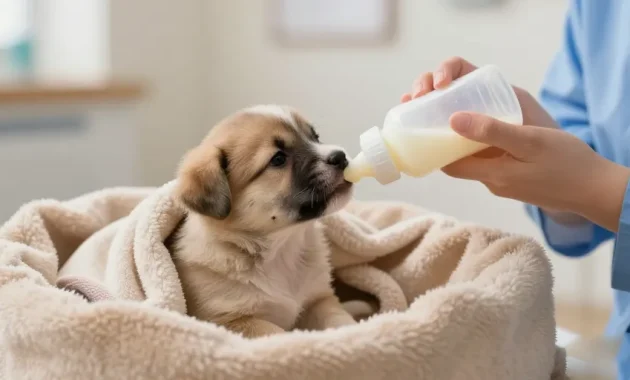
Adopting or rescuing an orphaned puppy—especially one under eight weeks of age—is a noble but daunting task. In the wild, the first two months of a puppy's life are entirely governed by the mother's presence. She provides thermal regulation, nutritional antibodies, and vital psychological cues.
When the mother is absent, the human caretaker must step in as a surrogate, mimicking biological processes that are often invisible to the naked eye. This 2026 definitive guide provides the essential "Five Pillars" of orphaned puppy care, ensuring your new companion not only survives but thrives into a healthy, robust adult dog.
Clinical Triage and Health Assessment
The very first step in caring for an orphaned puppy is a professional medical evaluation. Because newborns lack a developed immune system, a minor ailment can become fatal within hours.
The Veterinary Consultation
You must consult a veterinarian immediately to establish a baseline health profile.
Congenital Checks: The vet will check for cleft palates, heart murmurs, or umbilical hernias.
The Vaccine Roadmap: Without colostrum from their mother’s milk, orphaned puppies may need a modified vaccination schedule. Discuss the timing of DHPP (Distemper, Hepatitis, Parvovirus, and Parainfluenza) shots.
Parasite Management: Newborns are often born with internal parasites (hookworms or roundworms) passed through the placenta. A safe deworming protocol is vital.
- What should I do first after rescuing an orphaned puppy?
- How often should newborn orphaned puppies be fed?
- Can I give cow’s milk to an orphaned puppy?
- How do I keep an orphaned puppy warm?
- What temperature should the puppy’s environment be?
- Why is thermal regulation important for orphaned puppies?
- How do orphaned puppies urinate and defecate?
- At what age do puppies start eliminating on their own?
- When should orphaned puppies start eating solid food?
- What is the best food for orphaned puppies during weaning?
- Why is colostrum important for puppies?
- Can orphaned puppies survive without their mother?
- How long can newborn puppies go without food?
- What are signs that an orphaned puppy is sick?
- How often should orphaned puppies be weighed?
- Can orphaned puppies develop behavioral problems?
- When can orphaned puppies interact with other dogs?
- How do I prevent parasites in orphaned puppies?
- Is bottle feeding dangerous for puppies?
- How long does orphaned puppy care usually last?
Thermal Regulation (The Surrogate Warmth)
A newborn puppy cannot regulate its own body temperature for the first few weeks of life. In a natural setting, they huddle against their mother and siblings to survive.
Creating a Micro-Climate
To prevent hypothermia, you must maintain a consistent environmental temperature:
Weeks 1-2: The nesting area should be approximately 32°C (90°F).
Weeks 3-6: Gradually reduce the temperature to room levels as they begin to thermoregulate.
Safe Heating Solutions
Do not place a puppy directly on a heating pad, as this can cause thermal burns. Instead:
The Blanket Buffer: Use thick fleece blankets to trap heat.
Warm Water Compresses: A hot water bottle wrapped in a towel mimics the warmth of a mother’s body.
Heating Lamps: Ensure there is a "cool zone" in the box so the puppy can crawl away if they become too hot.
Assisted Elimination and Hygiene
One of the most overlooked aspects of orphaned care is that neonatal puppies cannot urinate or defecate on their own.
The Stimulation Technique
In nature, the mother dog licks the puppy's urogenital area to trigger elimination. As a surrogate, you must replicate this after every single feeding:
Take a soft cotton ball or cloth dipped in warm water.
Gently rub the lower abdomen and anal area in a circular motion.
Continue until the puppy has finished eliminating, then wipe them dry to prevent skin irritation.
Milestone: By 3 to 4 weeks of age, puppies will begin to eliminate spontaneously without your help.
Precision Nutrition (The Milk Replacer Standard)
Nutrition is the most complex hurdle. A puppy’s digestive system is highly specialized for canine milk.
Why Cow’s Milk is Forbidden
Never give an orphaned puppy cow’s milk or condensed milk. These contain lactose levels that puppies cannot digest, leading to severe diarrhea, dehydration, and potentially death.
Bottle Feeding Protocol
Use a Puppy Milk Replacer (PMR) and a specialized nursing bottle:
Frequency: Newborns require feeding every 2 to 3 hours, around the clock.
Temperature Test: Always test the milk on your inner wrist; it should feel lukewarm, never hot.
Positioning: Never feed a puppy on its back (like a human baby), as they can aspirate milk into their lungs. Feed them while they are lying on their stomach.
The Transition to Solid Food (Weaning)
At approximately 4 weeks, the puppy's nutritional demands exceed what milk alone can provide. This starts the transition to "complementary" feeding.
The Adaptation Phase
Start by mixing puppy kibble with warm water or milk replacer to create a "gruel" or porridge-like consistency. This allows the puppy to lap up the nutrients without needing to chew hard surfaces initially.
Selecting the Right Formula: Pro Plan Healthy Growth
To bridge the gap between weaning and adulthood (1 year), the choice of food is critical. Pro Plan Healthy Growth & Development is specifically engineered for this transition.
Colostrum Power: It contains bovine colostrum, which is rich in natural antibodies. This helps "reboot" the immune system that the puppy missed out on by being orphaned.
Microflora Balance: The probiotics in this formula protect the sensitive digestive tract from the upsets common during the weaning phase.
Without a mother and littermates, orphaned puppies miss out on "bite inhibition" and social cues. As the caretaker, you must provide gentle handling and, once vaccinated, safe exposure to other friendly dogs to ensure they grow up socially well-adjusted.
FAQ About Caring for Orphaned Puppies
What should I do first after rescuing an orphaned puppy?
The first step is to take the puppy to a veterinarian for a complete health check. The vet will assess dehydration, body temperature, parasites, congenital issues, and create a vaccination and deworming schedule.
How often should newborn orphaned puppies be fed?
Newborn puppies usually need feeding every 2–3 hours, including overnight. As they grow older, feeding intervals can gradually increase.
Can I give cow’s milk to an orphaned puppy?
No. Cow’s milk contains lactose levels that puppies cannot properly digest and may cause diarrhea, dehydration, and digestive upset. Always use a specially formulated puppy milk replacer.
How do I keep an orphaned puppy warm?
Use blankets, heating pads wrapped in towels, or warm water bottles to maintain a safe temperature. Puppies cannot regulate their body heat during the first weeks of life.
What temperature should the puppy’s environment be?
During the first two weeks, the nesting area should remain around 32°C (90°F). The temperature can gradually decrease as the puppy grows older.
Why is thermal regulation important for orphaned puppies?
Without their mother and littermates, puppies can quickly develop hypothermia, which may weaken digestion, suppress immunity, and become life-threatening.
How do orphaned puppies urinate and defecate?
Very young puppies cannot eliminate waste independently. Caregivers must gently stimulate the genital and anal area using a warm, damp cotton ball after every feeding.
At what age do puppies start eliminating on their own?
Most puppies begin urinating and defecating without assistance between 3 and 4 weeks of age.
When should orphaned puppies start eating solid food?
Weaning usually begins at around 4 weeks old by introducing softened puppy food mixed with warm water or milk replacer.
What is the best food for orphaned puppies during weaning?
High-quality puppy formulas such as Purina Pro Plan Healthy Growth & Development are often recommended because they contain balanced nutrients, probiotics, and immune-support ingredients.
Why is colostrum important for puppies?
Colostrum provides antibodies that protect puppies against infections during early life. Orphaned puppies often miss this immune protection, making nutritional support especially important.
Can orphaned puppies survive without their mother?
Yes, but they require intensive human care, including warmth, feeding, hygiene assistance, and veterinary supervision.
How long can newborn puppies go without food?
Newborn puppies should not go more than a few hours without feeding because they have very limited energy reserves and can develop hypoglycemia quickly.
What are signs that an orphaned puppy is sick?
Warning signs include constant crying, weakness, pale gums, diarrhea, vomiting, bloated stomach, poor appetite, or difficulty breathing.
How often should orphaned puppies be weighed?
Puppies should ideally be weighed daily. Healthy puppies gain weight steadily every day during the neonatal period.
Can orphaned puppies develop behavioral problems?
Yes. Puppies separated too early from their mother may develop poor bite inhibition, anxiety, or socialization issues if not properly trained and exposed to positive interactions.
When can orphaned puppies interact with other dogs?
After receiving initial vaccinations and veterinary approval, puppies can safely socialize with healthy, vaccinated dogs to learn proper canine behavior.
How do I prevent parasites in orphaned puppies?
Follow a veterinarian-approved deworming schedule and maintain clean bedding, feeding equipment, and living environments.
Is bottle feeding dangerous for puppies?
Improper bottle feeding can lead to aspiration pneumonia if milk enters the lungs. Puppies should always be fed while lying on their stomach, never on their back.
How long does orphaned puppy care usually last?
Intensive neonatal care is usually required for the first 6–8 weeks, but nutritional support, training, and socialization continue throughout puppyhood.