The Silent Language of the Food Bowl: A Complete Guide to Feline Nutrition and Appetite
2 months ago · Updated 2 months ago
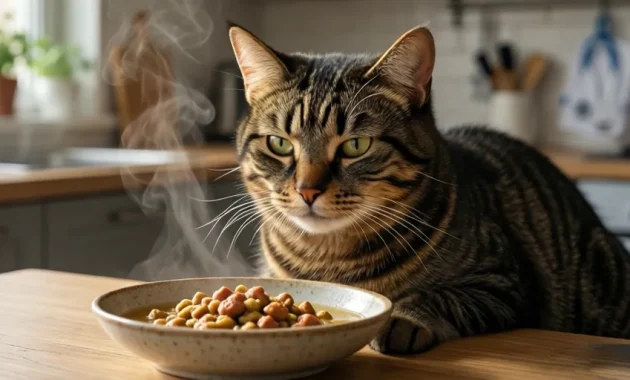
For most "PetLovers," the sound of a kibble bag rustling or a can tab popping is usually met with a frantic blur of fur and a chorus of meows. But what happens when that enthusiasm vanishes? When your once-gluttonous feline stares at their favorite dish with total indifference?
Understanding a cat’s appetite is about more than just finding the "right" brand of food. It’s about decoding their biological history as scent-driven hunters and recognizing when a "picky phase" is actually a cry for medical help. In this guide, we’ll explore the science of the feline palate, the dangers of appetite loss, and how to heal a sensitive stomach.
The Biology of the Feline Palate: Why Aroma Rules
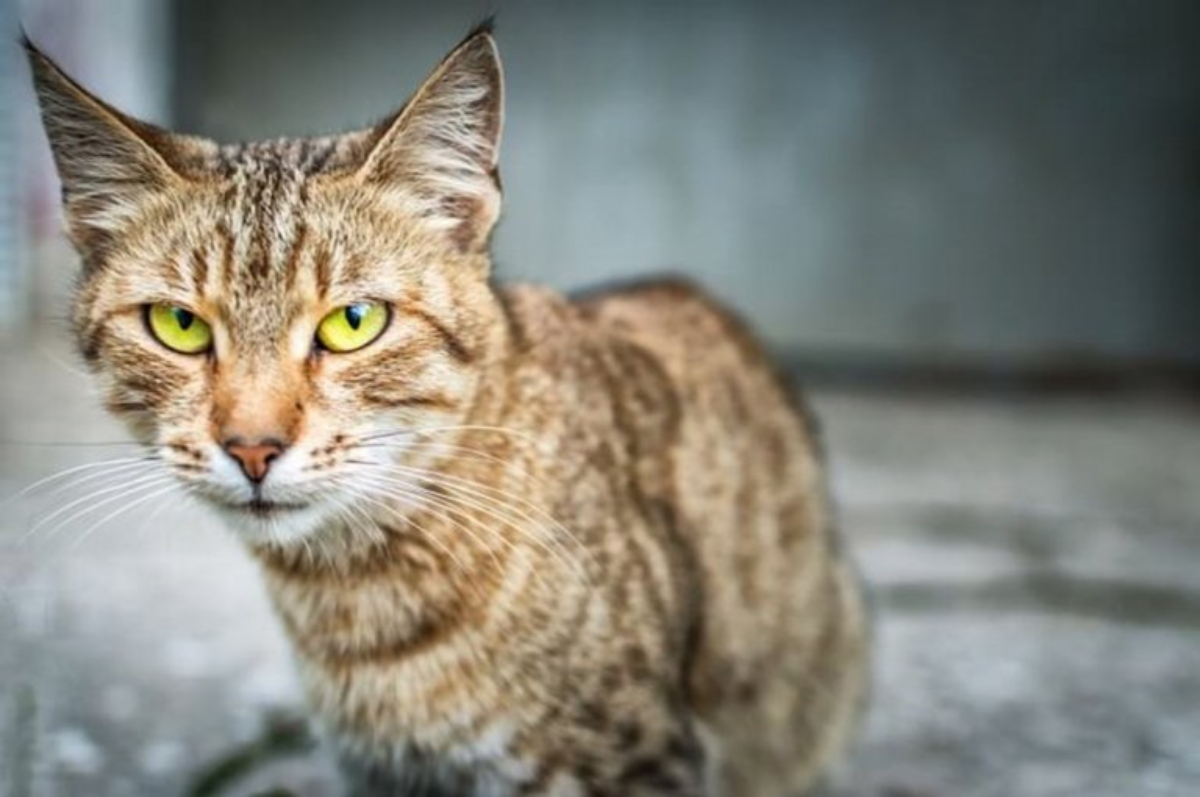
To understand why your cat might be turning up their nose at dinner, we have to look at their evolution. Cats are obligate carnivores, but they are also scent-oriented eaters.
The 65 Million Receptor Advantage
While humans have about 15 million olfactory receptors, cats boast a staggering 65 million. They "taste" their food with their noses before a single morsel touches their tongue.
The Protein/Fat Connection: Cats are biologically programmed to seek out high-protein (minimum 26%) and high-fat (minimum 9%) meals. These components produce the rich, meaty aromas that signal a high-energy meal.
The Temperature Factor: In the wild, prey is consumed fresh and warm. This is why many cats reject wet food straight from the fridge. A quick warm-up to 38°C (100°F)—the natural body temperature of a cat—can often turn a "picky" eater back into a hungry one.
- 1. Why has my cat suddenly stopped eating?
- 2. Are cats naturally picky eaters?
- 3. Why is smell so important to cats?
- 4. Why does my cat refuse cold wet food?
- 5. What temperature should cat food be served at?
- 6. How can I safely warm cat food?
- 7. Why do protein and fat matter in cat food?
- 8. How much protein should adult cat food contain?
- 9. What is “true anorexia” in cats?
- 10. What is pseudo-anorexia?
- 16. What is a bland diet for cats?
- 17. When should a bland diet be used?
- 18. What ingredients are commonly used in a bland diet?
- 19. What is the recommended bland diet ratio?
- 20. How long should a bland diet last?
- 21. Are prescription GI diets better?
- 22. Which sensitive stomach diets are commonly recommended?
- 23. What is whisker fatigue?
- 24. What bowls are best for cats?
- 25. Can stress stop a cat from eating?
- 26. Where should I place my cat’s food bowl?
- 27. Can food toppers help picky cats?
- 28. Why should food changes happen gradually?
- 29. How should I transition to new food?
- 30. When should I contact a veterinarian about appetite loss?
Anorexia vs. Pickiness: Knowing the Difference
In the veterinary world, Anorexia isn't a disease; it’s a symptom. Dr. Tammy Powell, DVM, notes that we must distinguish between "True Anorexia" and "Pseudo-Anorexia."
True Anorexia: The cat has zero interest in food. This is often caused by internal illness, fever, or organ issues (like kidney disease).
Pseudo-Anorexia: The cat wants to eat but can't. They might sniff the bowl or pick up food only to drop it. This usually points to dental pain, mouth ulcers, or nausea.
The 48-Hour Emergency
Unlike humans, cats cannot go long without food. If a cat (especially an overweight one) stops eating for more than 24 to 48 hours, they are at risk for Hepatic Lipidosis (Fatty Liver Disease). This occurs when the body tries to process fat for energy too quickly, overwhelming the liver. It is a life-threatening emergency.
Healing the Gut: The Power of a Bland Diet
When a cat suffers from acute vomiting or diarrhea, their GI tract needs a "reset." Veterinarians often recommend a temporary Bland Diet.
What Makes a Diet "Bland"?
A bland diet focuses on high digestibility and low irritation. It’s meant to be a short-term therapeutic tool (usually for 3–5 days).
The Recipe: Boiled chicken breast (skinless/boneless) mixed with a small amount of white rice or mashed sweet potato.
The Ratio: 75% protein and 25% carbohydrate.
The Commercial Option: If you can't cook at home, prescription "GI" diets (like Pro Plan Adult Delicate) are formulated to be extra-palatable for cats with sensitive stomachs.
Tips for the Fussy Feline: Mastering the Environment
Sometimes, the problem isn't the food; it’s the "restaurant." Cats are incredibly sensitive to their environment.
Whisker Fatigue: If a bowl is too deep, your cat’s whiskers (which are highly sensitive touch organs) constantly hit the sides. This causes stress. Switch to a shallow, flat plate.
The Quiet Corner: In a multi-pet household, competition can cause a cat to stop eating. Feed your cat in a quiet, elevated, or separate space where they feel safe from the family dog or other cats.
Aroma Toppers: A splash of tuna juice (in water, not oil) or low-sodium chicken broth can act as a "primer" to get those 65 million olfactory receptors excited again.
When to Call the Vet: A Checklist
Appetite loss is a warning light. You should seek professional help if you notice:
Jaundice: A yellow tint to the gums or ears.
Lethargy: Your cat is hiding or sleeping significantly more than usual.
Upper Respiratory Symptoms: Sneezing or nasal discharge (if they can’t smell, they won't eat).
Prolonged Fasting: Any period longer than 24 hours without a full meal.
Final Thoughts
Feeding your cat is one of the primary ways we bond with our feline companions. While a "picky phase" can be frustrating, it is often a window into your cat's physical or emotional well-being. By focusing on aroma, temperature, and digestive safety, you can ensure your cat remains healthy, happy, and eager for the next mealtime.
Remember: Always transition between foods slowly (over 4–7 days) to prevent the very digestive upsets you are trying to avoid!
FAQ – Cat Appetite Loss, Picky Eating & Bland Diets
1. Why has my cat suddenly stopped eating?
A sudden loss of appetite may be caused by stress, illness, dental pain, digestive upset, infections, or environmental changes. Cats should never go long without food.
2. Are cats naturally picky eaters?
Yes. Cats are biologically programmed to be selective because they rely heavily on smell, freshness, temperature, and texture when choosing food.
3. Why is smell so important to cats?
Cats possess around 65 million olfactory receptors, making aroma one of the strongest triggers for appetite.
4. Why does my cat refuse cold wet food?
Cold food releases fewer aromas, making it less appealing to scent-driven hunters like cats.
5. What temperature should cat food be served at?
Cats often prefer food near body temperature, around 38°C–39°C (100°F–102°F).
6. How can I safely warm cat food?
You can add warm water or low-sodium broth to slightly increase temperature and improve aroma.
7. Why do protein and fat matter in cat food?
Protein and fat create the rich scent and flavor cats instinctively seek because they are obligate carnivores.
8. How much protein should adult cat food contain?
Adult cat food should generally contain at least 26% protein and 9% fat.
9. What is “true anorexia” in cats?
True anorexia means a cat has absolutely no interest in eating, often due to serious illness or pain.
10. What is pseudo-anorexia?
Pseudo-anorexia occurs when a cat wants to eat but physically cannot because of dental pain, mouth ulcers, or nausea.
Emergency Appetite Loss FAQ
11. How long can a cat safely go without eating?
Cats should not go more than 24–48 hours without proper food intake.
12. What is hepatic lipidosis?
Hepatic Lipidosis is a dangerous liver condition caused when cats stop eating and the body rapidly breaks down fat stores.
13. Are overweight cats at higher risk for fatty liver disease?
Yes. Overweight cats are especially vulnerable if they suddenly stop eating.
14. What warning signs require immediate veterinary care?
Seek veterinary help if your cat has:
- Jaundice
- Severe lethargy
- Persistent vomiting
- Nasal congestion
- Rapid weight loss
- No appetite for over 24 hours
15. Can respiratory infections affect appetite?
Yes. Cats rely heavily on smell, so nasal congestion can significantly reduce appetite.
Bland Diet FAQ
16. What is a bland diet for cats?
A bland diet is a temporary, easy-to-digest meal plan used to calm the gastrointestinal system during digestive upset.
17. When should a bland diet be used?
Veterinarians may recommend bland diets for:
- Vomiting
- Mild diarrhea
- Digestive irritation
- Recovery from GI illness
18. What ingredients are commonly used in a bland diet?
Common bland diet ingredients include:
- Boiled skinless chicken breast
- White rice
- Mashed sweet potato
19. What is the recommended bland diet ratio?
A typical ratio is:
- 75% lean protein
- 25% carbohydrate
20. How long should a bland diet last?
Most bland diets are intended for short-term use, usually around 3–5 days unless advised otherwise by a veterinarian.
21. Are prescription GI diets better?
For longer digestive issues, veterinary gastrointestinal diets are usually more nutritionally balanced.
22. Which sensitive stomach diets are commonly recommended?
Popular options include:
- Purina Pro Plan sensitive stomach formulas
- Royal Canin gastrointestinal diets
Feeding Environment FAQ
23. What is whisker fatigue?
Whisker fatigue is discomfort caused when sensitive whiskers repeatedly touch the sides of deep bowls.
24. What bowls are best for cats?
Shallow ceramic or stainless steel bowls are often the most comfortable.
25. Can stress stop a cat from eating?
Yes. Loud environments, unfamiliar pets, moving homes, or competition with other animals may reduce appetite.
26. Where should I place my cat’s food bowl?
Feed cats in quiet, calm, low-traffic areas away from litter boxes and noisy appliances.
27. Can food toppers help picky cats?
Yes. Small amounts of tuna water or low-sodium chicken broth may improve aroma and encourage eating.
28. Why should food changes happen gradually?
Sudden diet changes can upset gut bacteria and worsen digestive problems.
29. How should I transition to new food?
Gradually mix new food with old food over 4–7 days to avoid stomach upset.
30. When should I contact a veterinarian about appetite loss?
Contact a veterinarian immediately if appetite loss lasts longer than 24 hours or if additional symptoms appear.